
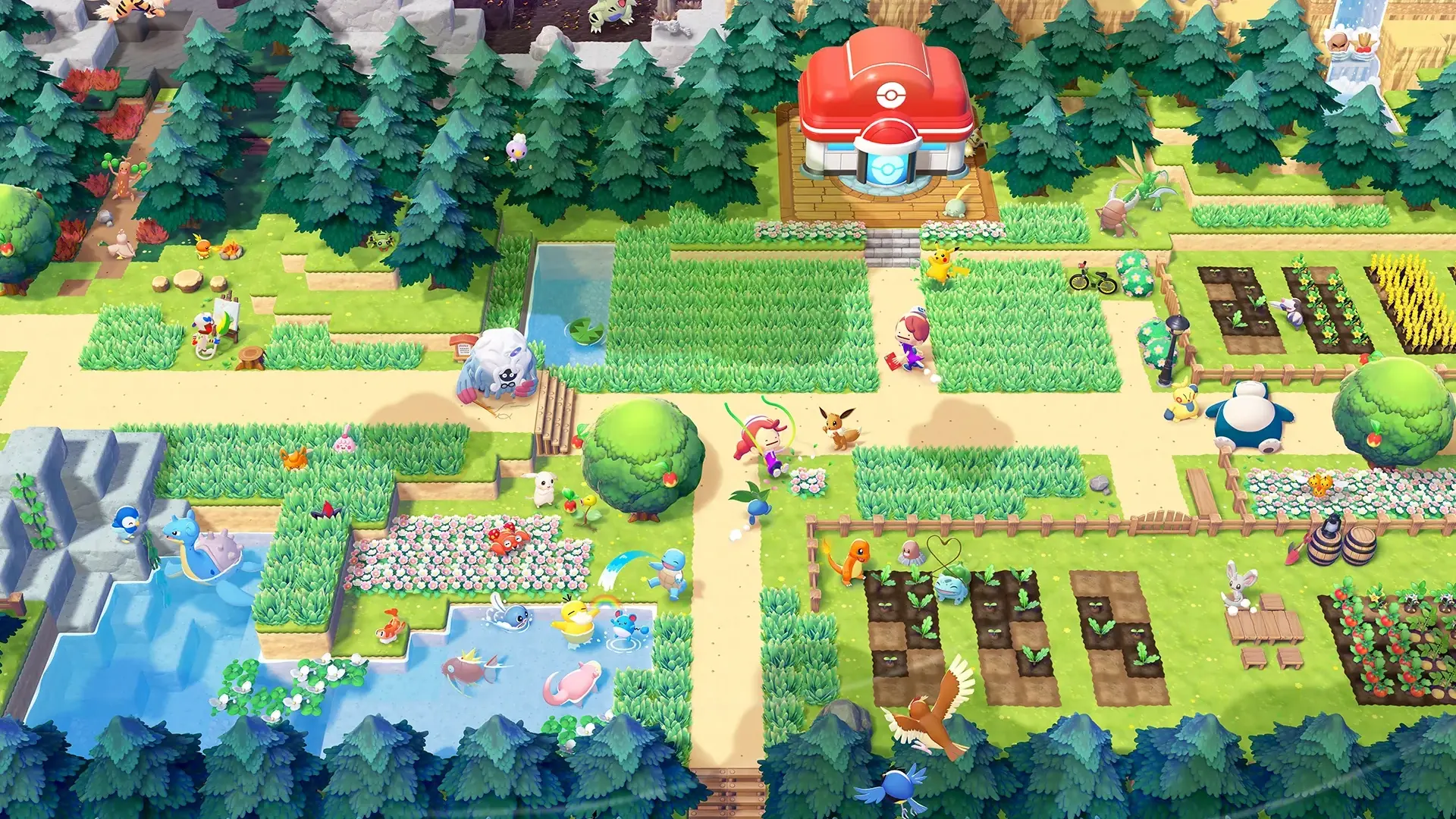
In the mainline Pokémon games, you are a consumer. The world exists for you to put your feet onto every inch and the Pokémon that inhabit it are your livestock to feed, water and sic on each other in the name of sport
In Pokémon Pokopia, you are a custodian. Each new area in this post-human vision of Kanto is a dilapidated and overgrown invitation to imagine what once was – and then bring it back. Or create something entirely new. That part, as with all good creative sandbox games, is up to you.
Casting players as a Ditto transformed into the best likeness of its former trainer that it can muster, in a world where all humans have mysteriously disappeared, is equally perfect and heartbreaking as a premise. On meeting Professor Tangrowth, your primary goal in Pokopia is handed down – do your best to restore Kanto and bring together its Pokémon inhabitants, in the hopes that it paves the way for the humans to return. Or at the very least, provides answers to the conundrum of their disappearance while making things better for those left behind.
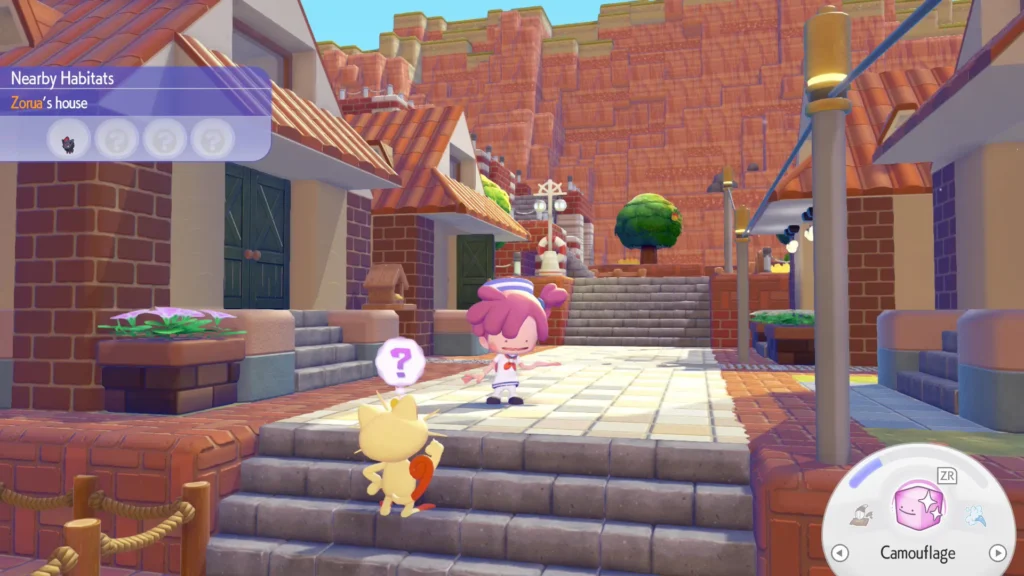
Without giving too much away, the fact that this version of Kanto is covered in flood waters, volcanic ash and more should be a pretty glowing sign of what’s up. And therein lies the beauty of Pokopia. You’re presented with a world in dire need of healing, and everything you do and can do in the game is in service of that healing. There is no battling here, instead you’ll use Ditto’s transformational powers to adopt moves from your fellow Pokemon in order to build, grow, reshape and restore.
Each new area visited is the after image of a recognisable locale taken over by disaster, the game’s campaign throughline giving you a steady series of objectives to complete in order to fix it all up while learning new moves and mechanics, inviting and housing literally hundreds of iconic Pokémon, and then moving on to the next. Pokopia beautifully marries this genre ideal of limitless agency with a keen sense of progression, offering copious compelling threads to follow in service of restoring Kanto but never encroaching on your creativity. And the few major milestones with their more directed quests are mostly there to offer guidance and context before dropping a game-changing new feature in your lap.
Pokémon Pokopia feels almost un-review-able because I don’t need game design to solve any of the problems I have with it, I just need imagination. For every minute I’m playing at home, butting up against my limited storage options and overbearing kleptomania, I spend another at work or on my commute, planning in my head the incredible warehouse I’m going to build with neatly-arranged large storage chests, frames hung above displaying whatever item I feel signals the goodies within.
It’s almost un-review-able because the dozen hours I spend transposing dirt around my habitat feels just as important as the tantalising, authored mystery compelling me to move on with the latest discovery that Professor Tangrowth has tasked me to make sense of.
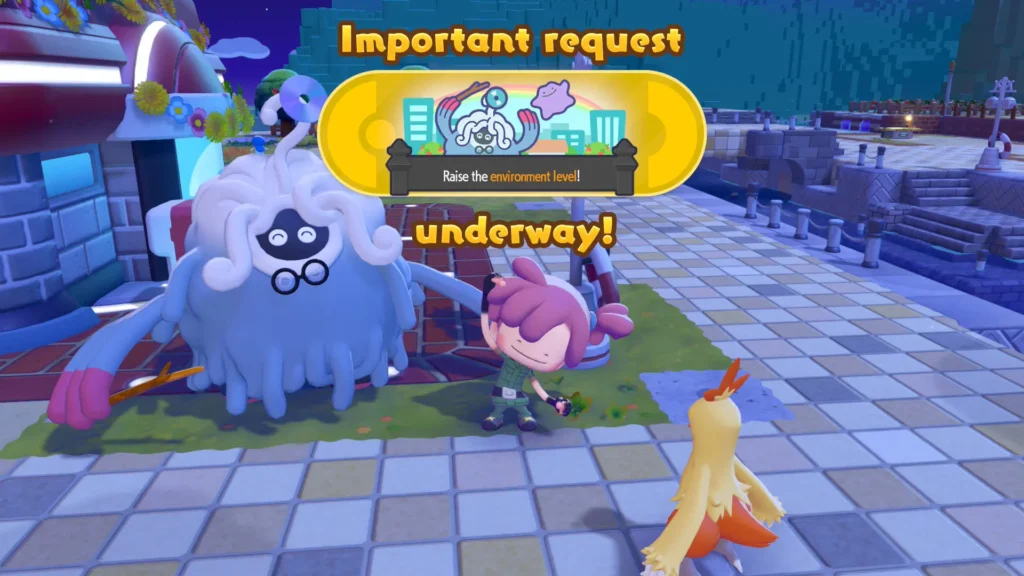
It’s a bit of Minecraft in its blocky terrain manipulation, a bit of Dragon Quest Builders in its structure and a bit of Animal Crossing in its community building (including the condoned hatred of certain residents… cough Gholdengo), but it’s also more than all of those. That’s largely because this is a Pokémon joint, and that comes with its own inherent value. It matters that every area here is designed with intent, as opposed to any sort of procedural generation, offering implicit and explicit hooks that inspire storytelling, nostalgia and adventure, as well as plenty of hidden secrets and tells for Pokémon fans to scout for.
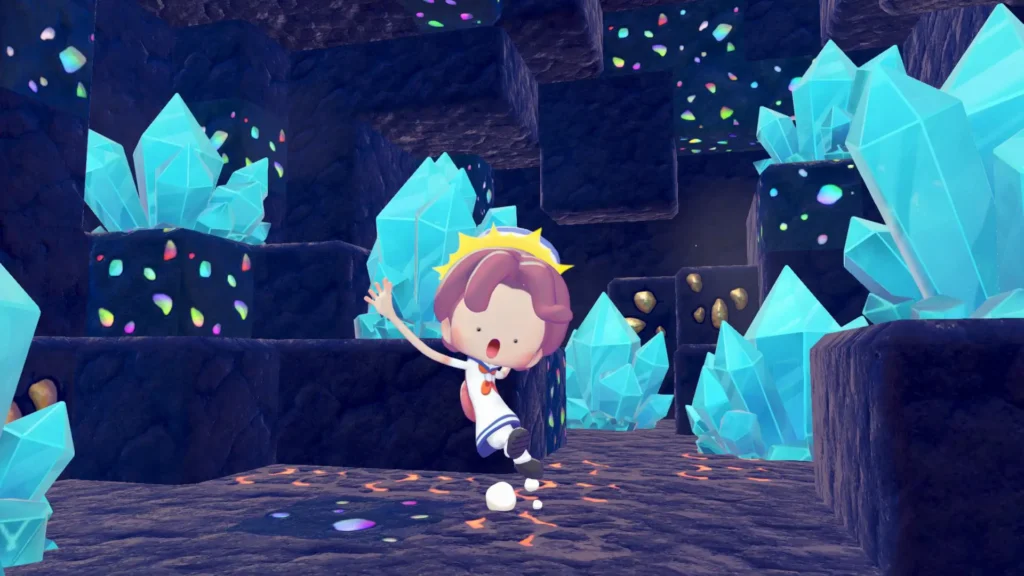
But it also just comes back to the idea of restoration and nurture. Rarely does the game ask you to build the best thing or amass the most of something, its goals are focused right in on caring for the land and for your fellow Pokémon. It wants you to tame its lands not just to make homes, but make it all feel like home, for everyone.
You think Animal Crossing was timely in 2020? Pokémon Pokopia is timely and apt, a reminder of the strength in community, of how we can rebuild a new world when the old one fails us, if only we can do it together. It’s a game about the sort of kindness and empathy that would seem radical in our reality, with a result that we’d consider equally impossible – folks with vastly different lives, different needs, different amounts to contribute, all enjoying the same quality of life. Except Gholdengo.
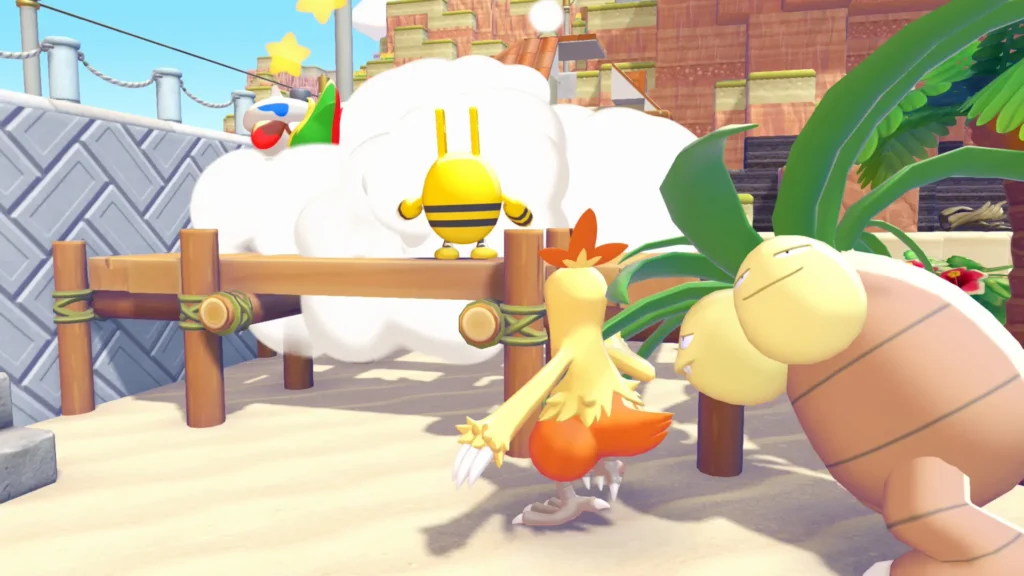
I took an obscene amount of notes as I played the game, conscious that I would need points to raise and critiques to make in this very review. But on reading them back now, I realise that it barely matters whether I think the visuals are lovely, or find myself easily frustrated with the camera and controls when trying to aim at specific blocks. It’s no use trying to give language to how I feel about my building aspirations grinding to a halt thanks to real wait times, or why I derive such joy from Queer Eye-ing my Pokémon’s houses based on personalities I made up in my head. Pokopia is more than an invitation to a place a bit nicer than the one we’re all in – it’s a timely reminder that no matter how much habitat or humanity the world loses, radical kindness is the first building block in the restoration effort.
Pokémon Pokopia isn’t just the best Pokémon game I’ve played in a very long time, it’s the best video game for right now.
Reviewed on Nintendo Switch 2 | Review copy supplied by Nintendo