
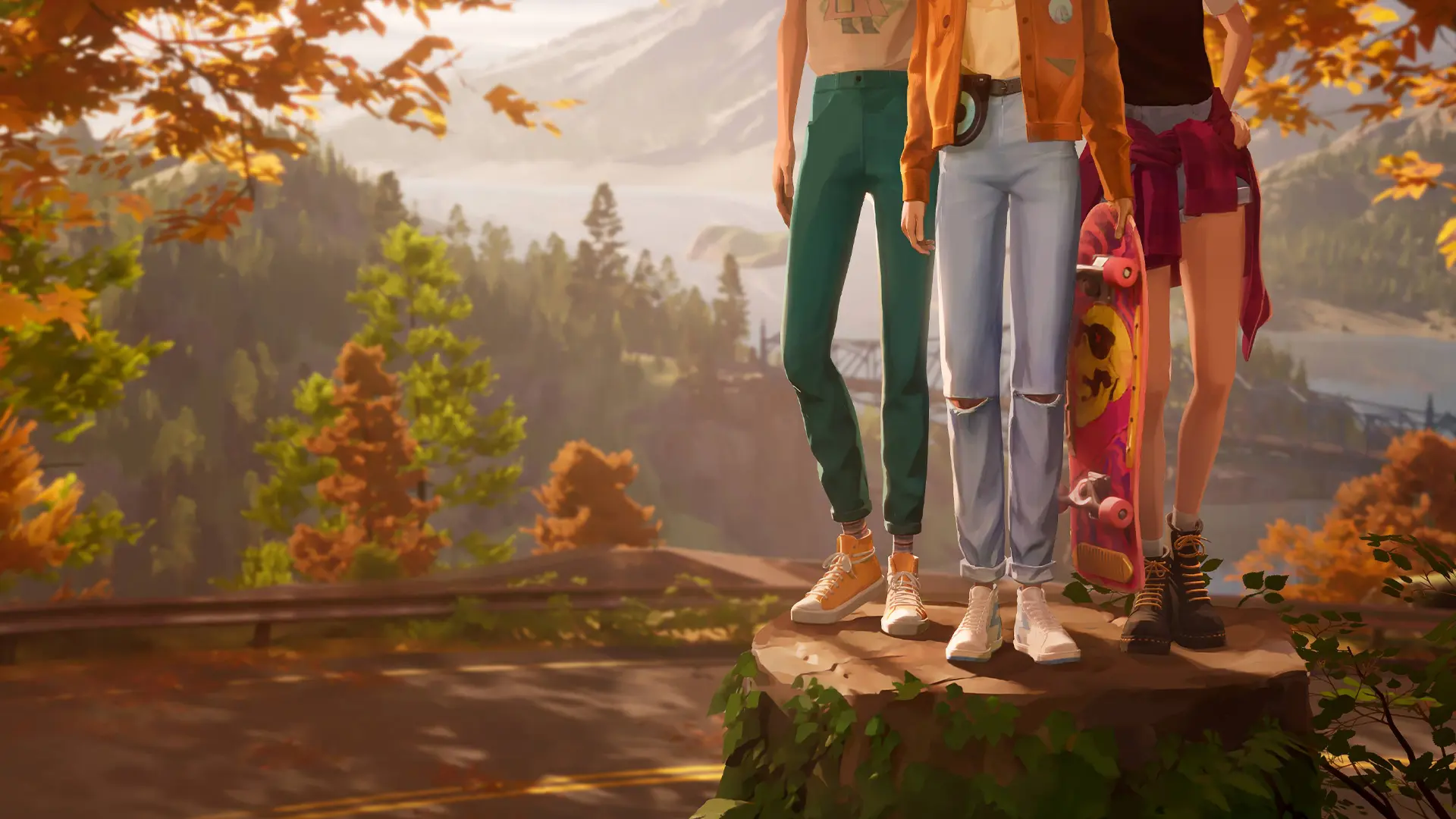
When I was in high school, living in a hilly and tree-lined suburb just outside of metropolitan Perth, a group of friends and I found an abandoned house. Well, less a house than a whole mansion, obscured by overgrowth, caked in dust and mould – in hindsight probably incredibly unsafe – and even sporting an enormous, empty pool, it felt like the discovery of a lifetime.
For a few weeks we would keep returning to this house, and each time I would bring a new playlist, burned to a Verbatim brand CD-R. One time it was a mix of my favourite System of a Down songs, then a poorly-received cut of bangers from the Final Fantasy VIII soundtrack. At one point I fell victim to the perils of Limewire and proudly declared I’d scored an early copy of Good Charlotte‘s third record, The Chronicles of Life and Death, only to embarrass myself with 15 tracks of someone’s shitty garage band.
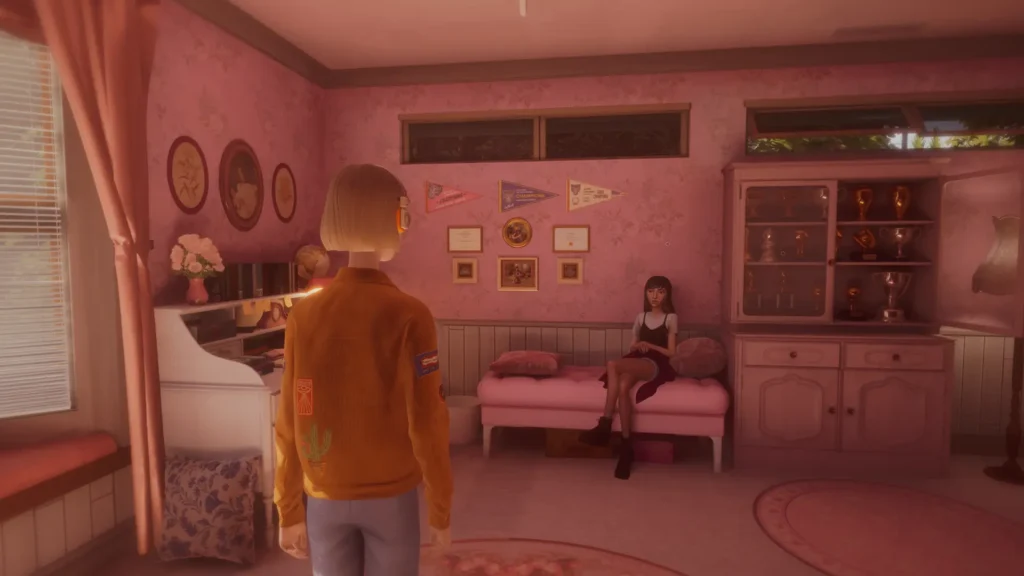
This is all stuff I hadn’t thought about for a good two decades, but playing Mixtape, the next game from Melbourne’s Beethoven & Dinosaur after the BAFTA award-winning The Artful Escape, has been a stark reminder of the power of music in forming and informing nostalgia, and the lost rituals of physical media that were fundamental to youth in a very particular segment of time.
Mixtape follows one Stacy Rockford, a teen on her last night in an idyllic near-Pacific-Northwest town before she jets off to New York in pursuit of a dream career in music curation. Against the tumult of a late change to her original plan of a post-grad road trip with best friends Slayter and Cassandra, Stacy’s plans for this final hurrah include a day of skating, reminiscing, scoring booze and hitting up the hottest summer party of all time. It’s the perfect setup for a 90s teen coming-of-age film – drama, hormones, drugs, angst, meddling parents, drunk trips to the video rental store, illegal amounts of tongue – but uniquely framed by both its function as a video game and by Stacy’s mission to perfectly score the whole day via one incredible mixtape.
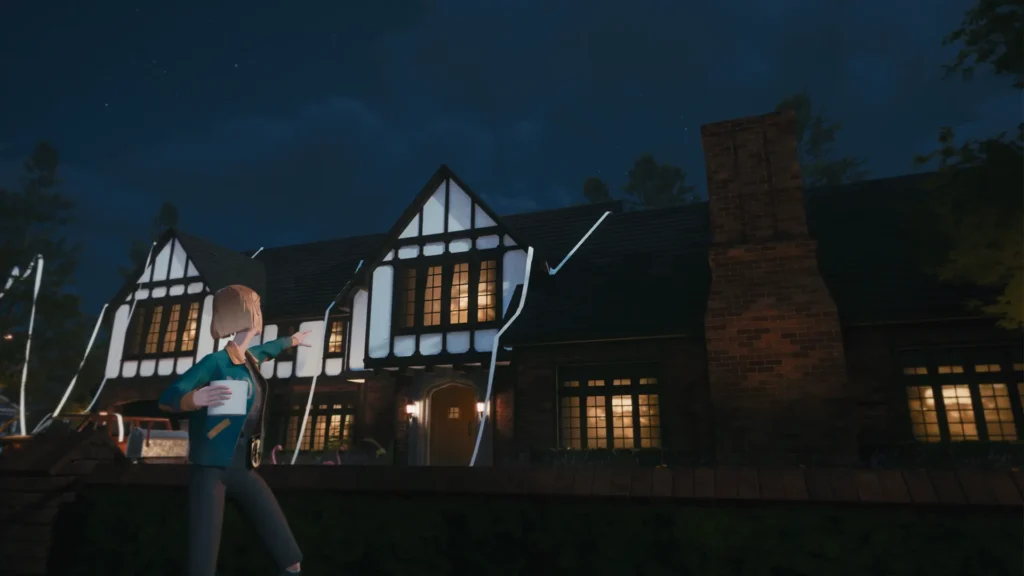
What this means is that, across a runtime just shy of three hours, Mixtape offers a series of vignettes chronicling this final day as well as a number of formative memories for the trio of besties, all set to a soundtrack of 20+ very real songs of the era, from DEVO’s “That’s Good” to Silverchair’s “Freak” and no less than two Stan Bush tracks. These songs are used to varying effect, from gently backing the emotional core of a scene to putting the perfect, precise needle drop on a moment, and one of Mixtape’s greatest feats is how often and effectively it moves the player through an interactive scene at just the right pace to let every beat fall exactly where it needs to.
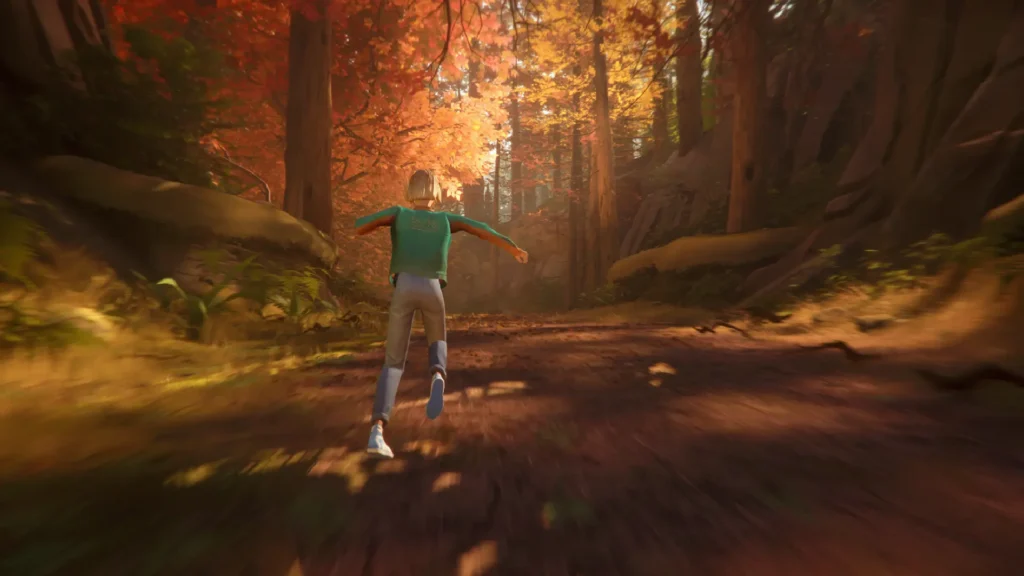
As far as it being a video game, Mixtape tends to swing between two camps. The more exciting and expertly-soundtracked moments come from bespoke sequences of pseudo-minigame, like driving a swerving shopping trolley down hilly suburban streets, cleaning up a dilapidated shack to make a hang-out spot, or crafting the ultimate slushie.
These set pieces are usually flashbacks stemming from the more relaxed, self-paced sections where Stacy and co. hang out in any one of their bedrooms, giving the player time to wander, inspect items and chat to eke out extra narrative context or just listen to Stacy wax lyrical about the idiosyncrasies of the time. This back-and-forth between the Life is Strange flavour of teen drama gaming and various riffs on other games is expertly paced, save for some segments here and there that feel overlong. It’s hard to put too much in writing without giving away all of a short-ish game, but when it hits, it hits.
This is a game borne of a whole team of talented folks, many who I’ve met through visiting the Beethoven & Dinosaur office, where the studio’s pair of BAFTA awards sits proudly on a cabinet, and so normally I’d loathe to pin its successes on a single creative. But like a Kojima or Sam Lake joint, there’s a very palpable sense of or auteur-ship here from Johnny Galvatron, vocalist of 2000s band The Galvatrons turned venerated game developer, and like those two in particular it comes from a place of reverence for particular types of art and media. Despite the ambiguously-dated but very American setting, there are so many moments within that so obviously hail from lived experience; the social minefields of teenage-hood, the beauty and rituals of physical media and the beautiful heterogeneity of the era’s technology.
Stacy’s mixtape might have been crafted for her perfect last night in town, but it’s also serving double duty as the game’s own mix, in a sort of self-fulfilling way. In scoring the experience with this particular collection of songs, Galvatron and team are in essence handing us the very same shiny, burnt CD in generic jewel case, nervously anticipating when we’ll load it into the stereo at home and listen to, what is essentially, their souls bared. It’s an incredible way to experience a work, and something that will take on a life of its own as this exact collection of songs, in this exact order, now holds its own nostalgic value in isolation. I almost wish there were some kind of playlist mode or physical CD bonus to accompany the game to truly complete that cycle.
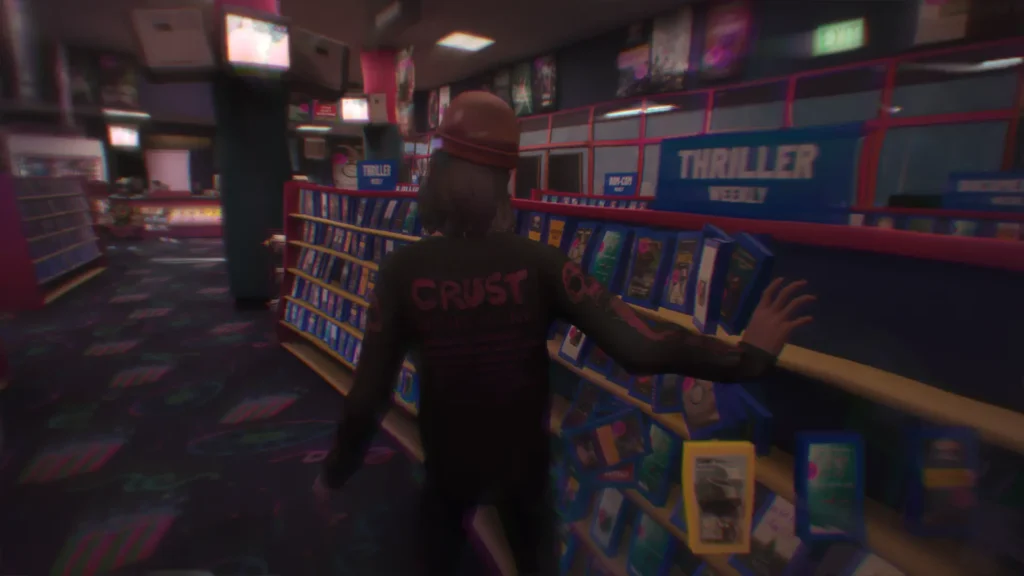
Along with proving chops as a band of music supervisors, Beethoven & Dinosaur has also seemingly pulled off some of the most polished and clever video game-y bits to accompany a game of this particular strain of indie-adjacency. The art is fantastically honed, married to quickfire but masterful play prompts in gleefully fun fashion, and the writing is A-fucking-plus across the board. Oftentimes when consuming art about teenagers, especially in the realm of video games, there’s a sense that writers struggle to prove definitely that they were ever teens themselves. Not so with Mixtape. In fact, the more I play the more I’m convinced that Galvatron has come to us directly from the 90s.
Reviewed on PS5 Pro | Review code provided by publisher