
It’s been said that there are no original stories left; that every narrative we get now is simply at worst a retread or at best a remix of what came before. None of that really matters if the execution is good, but that can’t always be the case.
These potential pitfalls are felt more sharply in horror than really any other genre, as it’s basically impossible for a scare to land as powerfully the second time you’re experiencing it, let alone the third or fourth.
Directive 8020 is the latest from British developer Supermassive Games, known for their ‘interactive horror dramas’ which sit at a nexus both mechanically and presentationally between video games and cinema. The works invariably place you in control of a small cast of characters who are dropped into a famously tropey horror situation, which then plays out akin to ‘Choose Your Own Adventure’ where branches in the narrative are clearly viewable to the player, and even able to be rewound and altered should they wish.
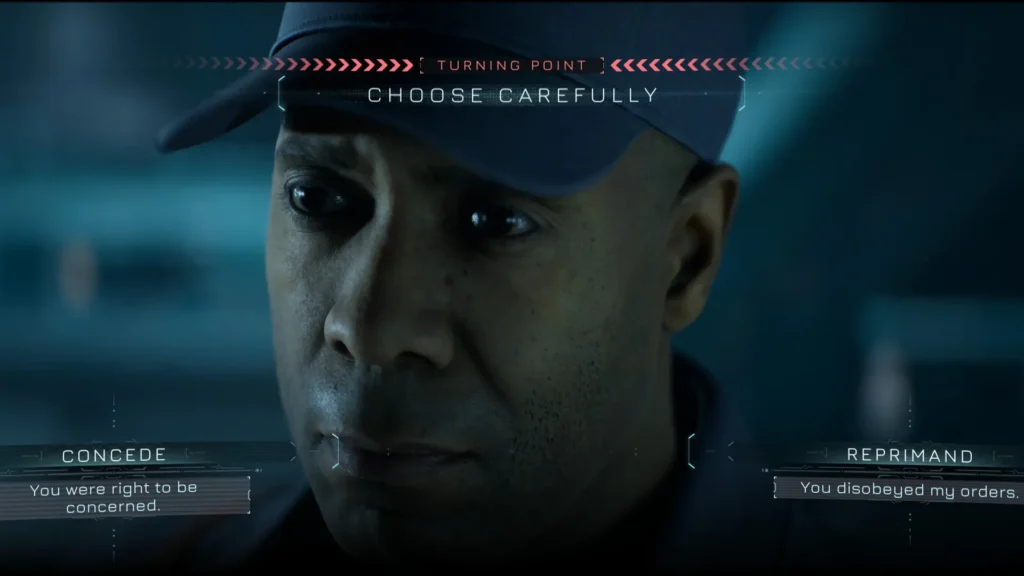
Directive 8020’s band of protagonists are an intergalactic scouting party on humanity’s first manned exoplanetary mission. Earth’s resources are drying up and this new planet shows promise for colonization. A meteor penetrates the hull just outside the planet’s orbit, bringing with it a sinister lifeform.
What I enjoy so much about horror is seeing how well-worn tropes such as these get remixed and repackaged, and Directive 8020’s biggest problem is that it just runs them all as flatly as possible and with all the presentational flair of a low budget direct-to-streaming film.
The counterargument to be made here is that this is all a conscious choice on Supermassive’s part. The studio’s whole shtick is putting players through horror cliches, after all. That concept worked brilliantly with their first of these games, 2015’s Until Dawn, because of how confidently silly and at times even gleefully hammy it was. Directive 8020 plays things completely straight, though, and comes off exceptionally bland for doing so. The entire adventure is built on an eight-episode structure which took me about 10 hours to complete, but the middle four episodes felt mostly like such hollow filler that I couldn’t even distinctly tell you what happened in them.
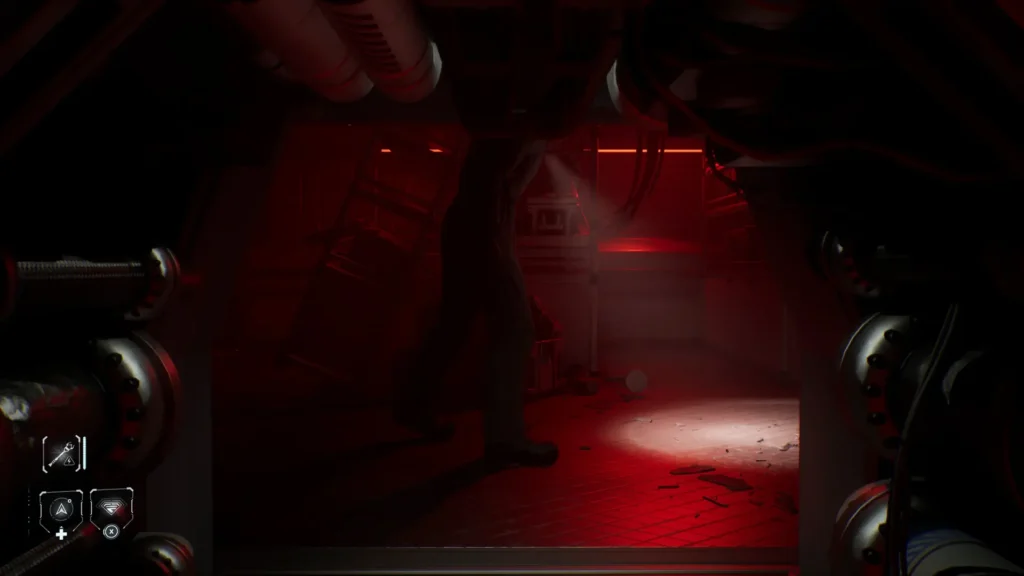
The design of the game’s obstacles and challenges quickly grows tired as well, with what’s placed in front of you and how you handle it never really changing no matter the character you happen to inhabit in a given scene. Regardless of whether you’re the ship’s science officer, the pilot, or whoever else, you’ll still invariably have to sneak past a patrolling enemy in order to redirect power, collect a power cell or power on a switch that will then let you through a door on another side of their patrol path.
I understand that these scenarios rarely being related in any way to the character’s specialised skillset is probably due to the flexible nature of the narrative, where characters can die early and so have to be somewhat interchangeable in order to cover. It still comes off as frustratingly hollow though, on top of being repetitive and, naturally, less scary each time.
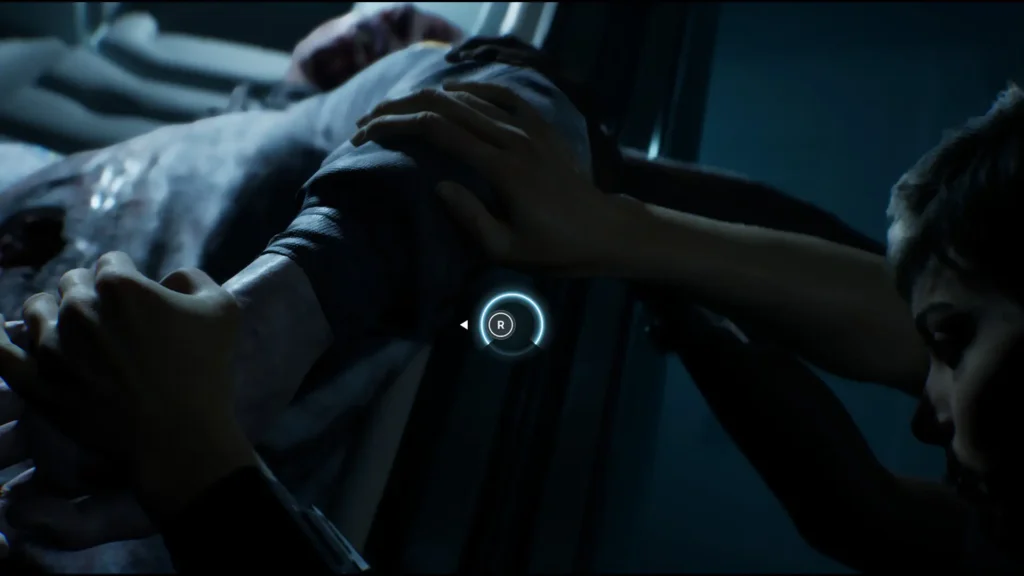
Each controllable character has a trio of trait meters that can incrementally increase based upon narrative choices you make for them. These can unlock a certain ‘destiny’ bestowment when a threshold is reached, which seems to have a bearing on story branches and potential endings. In theory this whole system should encourage you to roleplay each character down one path or another, but in practice it sort of sits there as an opaque game-y thing that feels at odds with the ‘showing you the strings and letting you puppet them as you wish’ design framework.
There are bright spots, however.
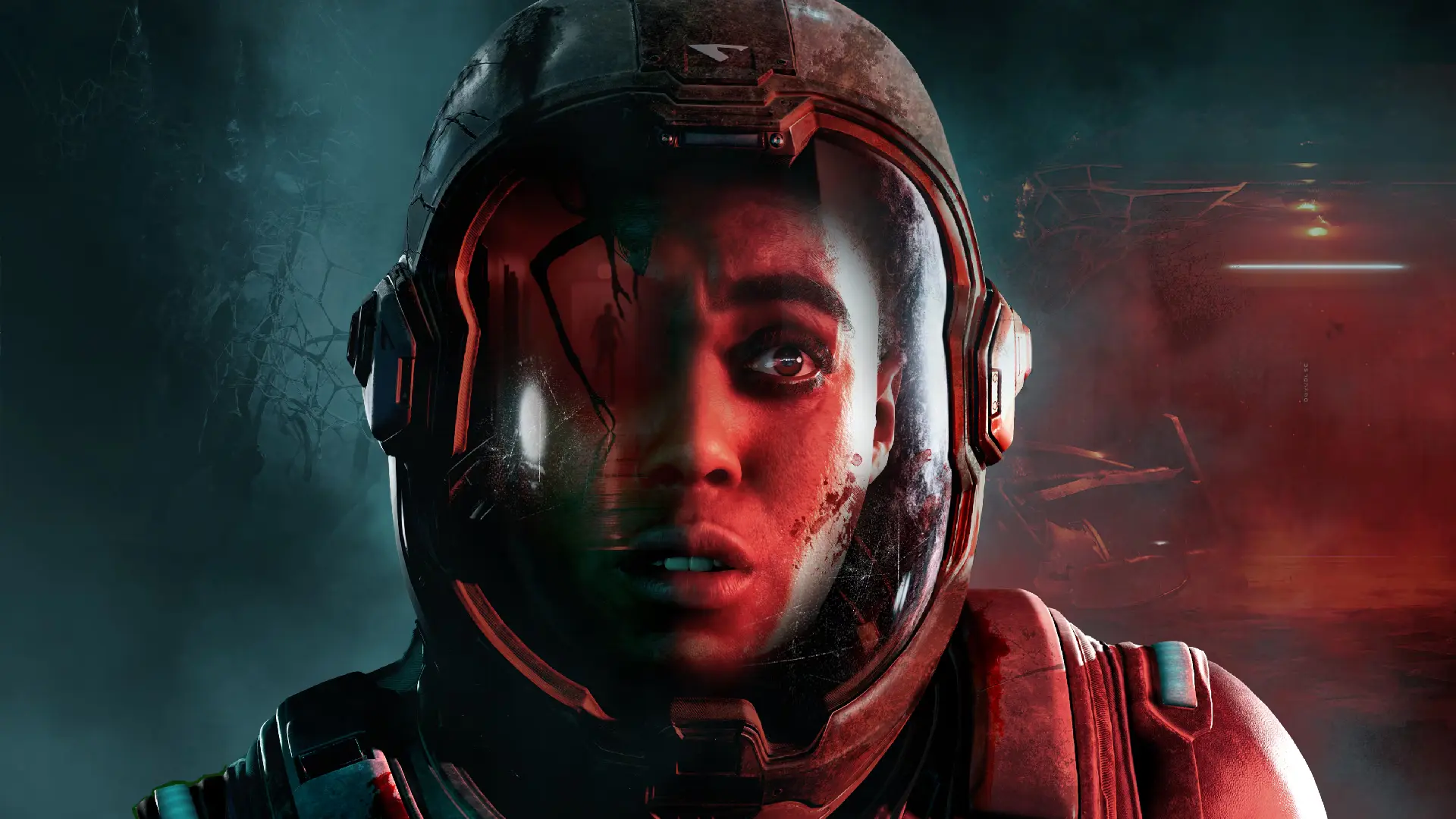
Lashana Lynch is terrific in the lead, and Supermassive’s ability to capture performances from actors and render their faces is still impressive. Some of those performances are average but the supporting cast also have some pretty clunky dialogue to work with, so it’s hard to hold it against them too much. The weight of some of the binary choices is powerfully sold, even when the situations they arise from are hamfisted-ly constructed, and not in the shlocky, fun way. This can also be inconsistent, though, as sometimes two characters simply discuss and sort out a choice between themselves where it really feels like player input should be occurring. Is this because of choices I made earlier? Destiny paths? Cut content? Who knows! It’s another oddly opaque bit in a game where narrative and structural transparency is supposed to be its whole thing.
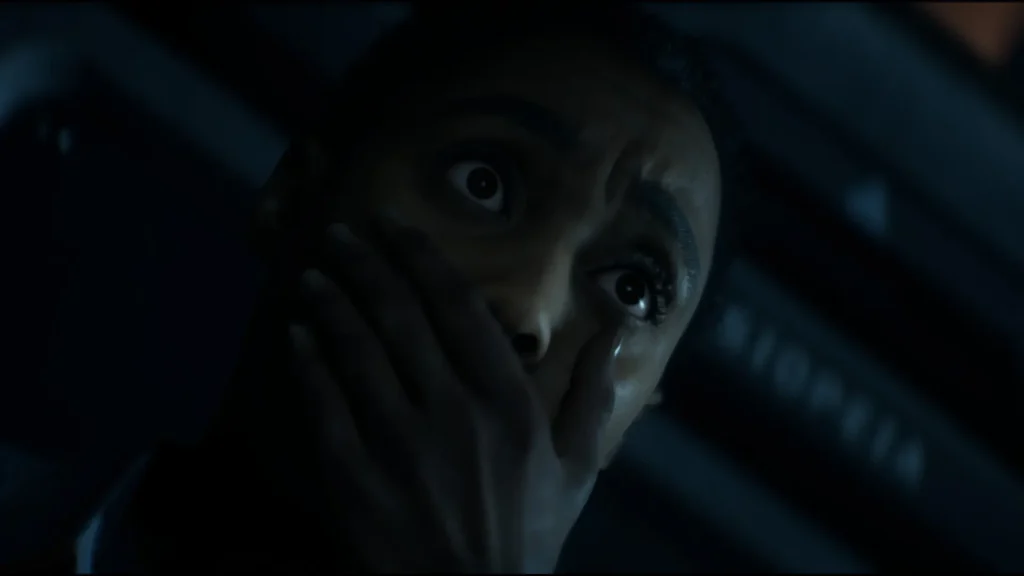
Despite it being way too dragged out, I did enjoy the story itself. My great frustration in writing this review, in fact, is that I think it does some really fascinating meta-narrative stuff in its last few hours – but it’s impossible to discuss any of that without completely spoiling things. A shorter runtime would’ve made the nature of the reveal land with tremendously more impact, and also may have incentivised me to run the whole game again from the top, my other gripes notwithstanding.
I find Directive 8020 to be a frustrating work. I can’t quite decide whether it’s more clever than it thinks it is, or less so, but the degree to which it drags for hours longer than it needs to largely moots the question anyway.
Reviewed on PC | Review code supplied by publisher