

I missed you, Vice City.
Sitting down to write a review of Grand Theft Auto VI after spending a solid few weeks immersed in the game, putting in triple digit hours and not being able to speak a single word to anyone about it, is daunting to say the least. This is inarguably the single biggest release of an entertainment product in many years, and its launch is set to be a cultural moment that will far eclipse anything I have to say about it mere hours prior.
Still, the job needs doing and I do have a lot of thoughts and feelings that have been bottled up in my noggin for the better part of a month at this point, so here we are. I’ve decided to forgo our usual “be succinct” review policy for this one, given it’d be nigh-impossible to unpack this game in 1000 words or less. Instead I’m giving you, dear reader, the opportunity to forge your own destiny by doling this piece out in thematic chunks that you’re welcome to either read through in order or jump between at your leisure. Just hit the quick links below to go wherever you’d like to go:



A Real Bonnie and Clyde Story
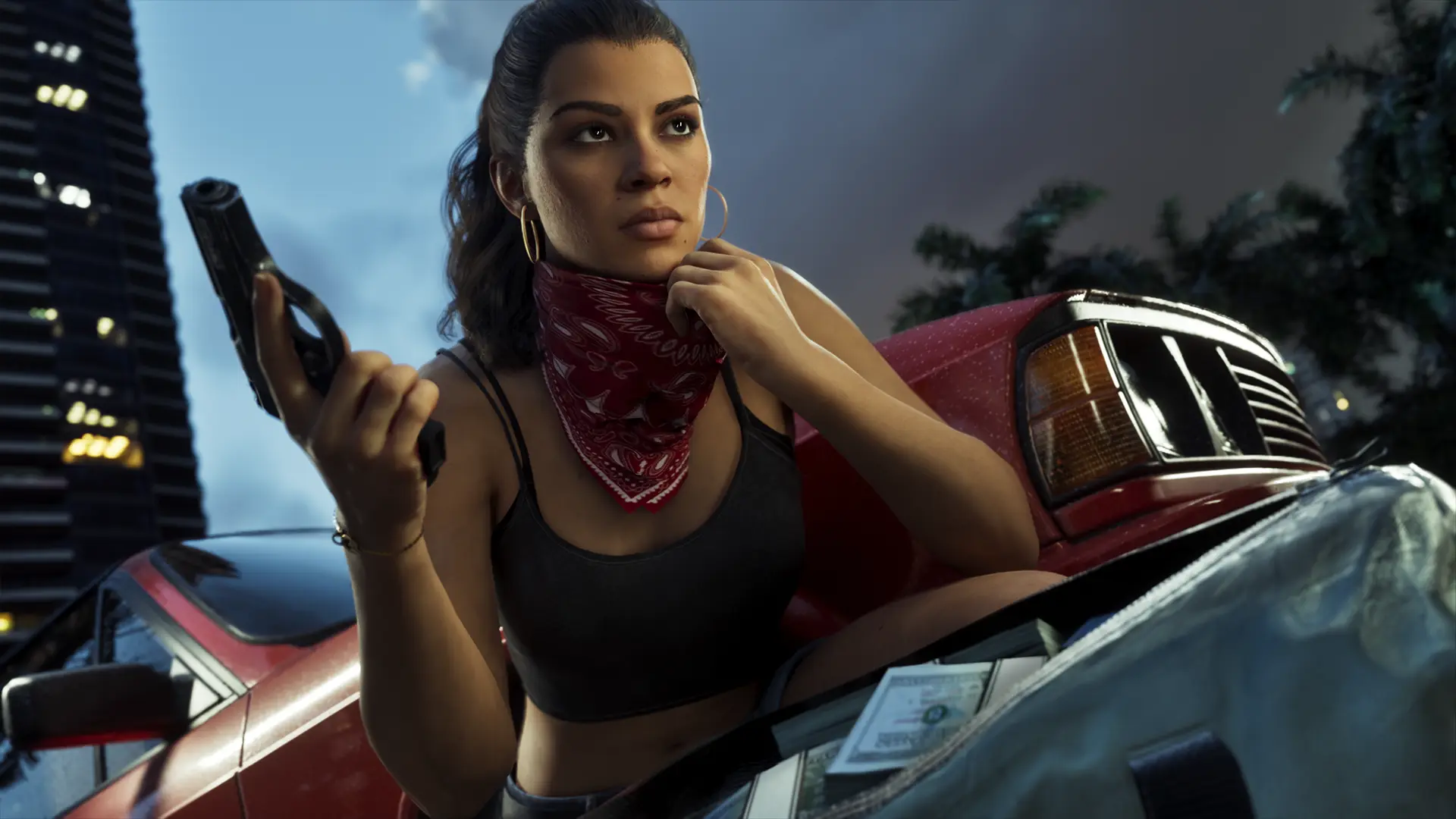
Rockstar has made a big deal in the lead-up to Grand Theft Auto VI’s launch about the game’s parallels to the infamous 1930s outlaw couple, Bonnie and Clyde. And indeed, there’s a lot of clear inspiration when it comes to Jason and Lucia’s story. The star-crossed lovers rising up to rob from an establishment that creates oppression and poverty, a trail of crime spanning states (or just the one, here) and the radical imagery of a woman enacting capital violence by the end of a barrel. The latter might not be as distinct in 2026 – though the series’ first real female protagonist is a big deal – but it’s heartening/frightening to know that the sociological motivators haven’t changed in a century.
The tricky thing with this game, and this review, is that I’m not at liberty to talk about many of the things that make the plight of Grand Theft Auto VI’s lawbreaking duo uniquely interesting. Jason and Lucia’s story kicks off under unexpected circumstances and their relationship proves to be just as much a driving force behind a steady descent deeper and deeper into the seedy underbelly of Vice City as the fat stacks they stand to make along the way. The exact nature of things, and how it all unfolds as the duo charts a meteoric but fraught rise through the criminal ranks, are best left to discover first-hand, suffice it to say that there are some big surprises in store.
But of course, like any good entry in this open-world steal-em-up, there’s so much happening on the fringes of this story that’s just as compelling as the core twists and turns. Leonida is full of hugely interesting characters, from Lucia’s pre-incarceration bestie who gets herself into an MLM-cum-drug peddling cult to Jason’s ride or die in Vice City who’s trying to make it big as a producer with his dirty rap duo, Real Dimez. By the time you’re saying goodbye to one of the games most oddly endearing characters to the tune of an orchestral rendition of Donna Summer’s “She Works Hard for the Money,” it’s clear that Rockstar has mastered telling these smaller but no less important stories with as much room for levity and excess as emotional stakes.
Jason and Lucia
GTA 6 weaves all of these stories as deftly as always across a roughly 70-hour campaign, but it’s this pair of protagonists that makes all the difference. I don’t think I’ve ever rooted for anyone in this entire series as much as I have for Lucia, specifically, but it’s the extra dimension of their relationship that makes all the difference.
It’s also where Rockstar introduces a level of player agency and character simulation that this series hasn’t seen to date, as you simultaneously role play both characters through the entire game. Where GTA V essentially gave each of its trio of playable protagonists their own campaigns that would then intersect through crucial moments, Jason and Lucia are in this whole thing together. With few exceptions, you’re free to play as either of them at any point and decide whether the other tags along or does their own thing. And although again I can’t divulge the circumstances of their relationship at the beginning of the game, how it develops over time is largely within your control.

As Jason and Lucia move through the game’s distinct chapters, climbing the rungs of wealth and spending each one in increasingly well-appointed home bases, the choices they make and the time they spend with each other dictates how in love they are, but they also have their own lives and interests. The effectiveness and lethality of their criminal acts, what they eat and drink, whether they work out and take walks, there are so many factors that contribute to how these two develop as individuals and as a couple, offering potentially vastly different experiences between players.
The game’s underlying systems help to create this immense illusion. The impossibly-enormous amount of incidental dialogue, the way you can text or call the other person and get contextual, real-time responses that genuinely relate to what they’re doing at any one time, the immersive actions you can perform, all of it plays into how you spend time together. It’s in the thoughtful details that make Jason and Lucia feel like such a real couple. It’s being able to walk up behind them at the kitchen counter and kiss their neck, it’s taking the occasional hot shower together, it’s bringing each other coffee or getting a text that they’ve borrowed your razor.
There’s a thoughtful balance between these ongoing interactions and the broad strokes of game design. Although leaning into the simulation can help – eating, sleeping and getting proper exercise can enhance stats like health, stamina and focus to make you more effective in confrontations and activities – you’re safe enough to neglect a lot of the more granular stuff without it getting in your way. The things that matter most, especially to which of the multiple endings you see, are your relationship and criminal profiles. The latter is dictated by how effectively and importantly how lethally you get things done, and the game provides plenty of options to help you dictate that, along with the consequences to match.
Welcome to Leonida
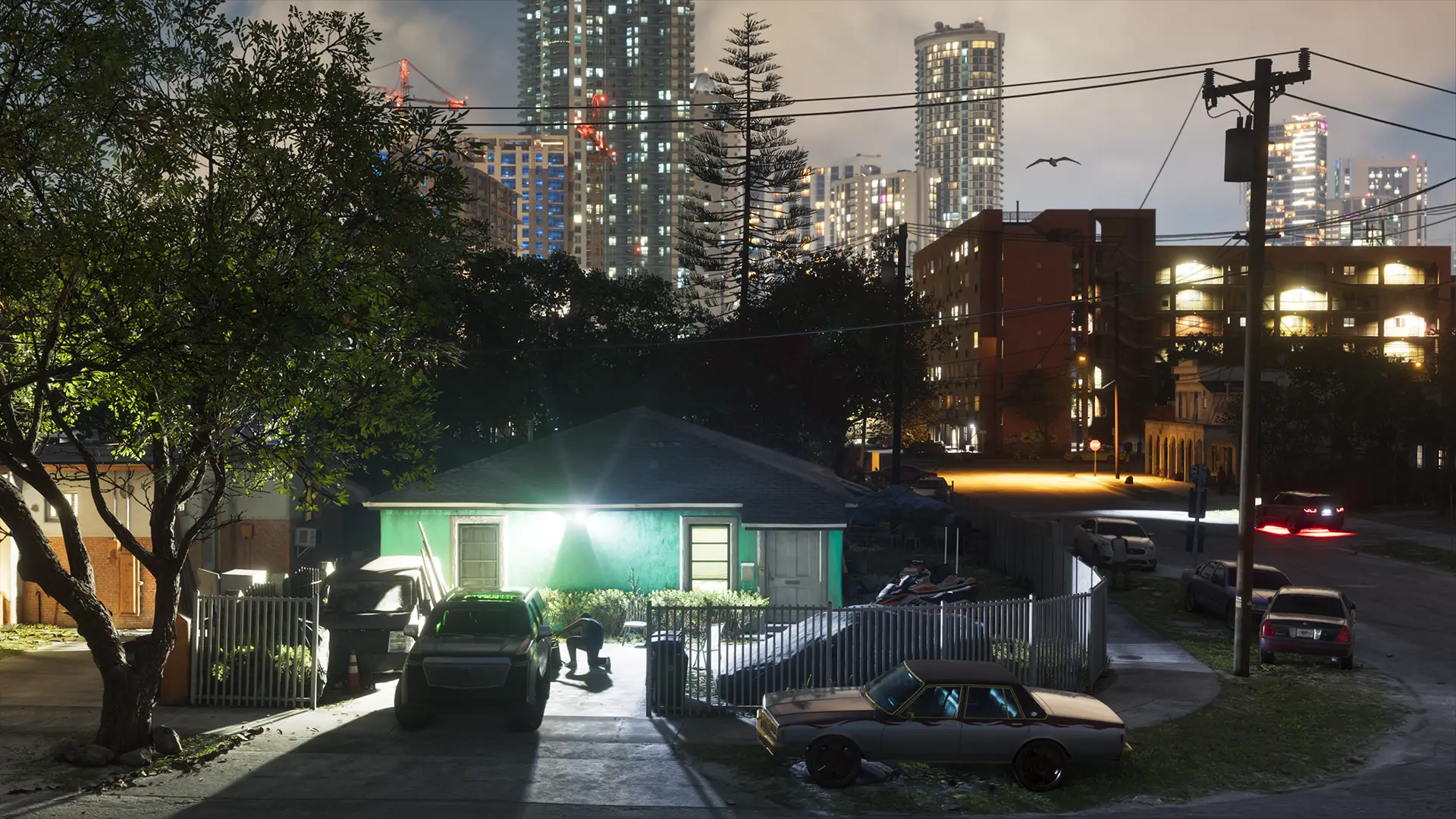
It shouldn’t come as a shock to learn that Leonida is the most expansive open world that Rockstar has crafted to date, but that’s far from the story here. What matters to Grand Theft Auto VI, and serves as the framework for everything that makes this game interesting, is how dense, detailed and alive it is. It’s one thing to be tearing through city streets in a Pegassi Tempesta, eyeing the jaw-dropping presentation at illegal speeds, but it’s when you slow down or stop that the full picture comes into view.
It’s when you start to notice how unique each pedestrian on the sidewalk is, how they look and behave in ways that ground them to their immediate surroundings. It’s in how many conversations are happening around you at any one time, especially in packed bars where the sheer number of NPCs all acting and responding in real-time seems like a feat of sheer wizardry on the part of Rockstar’s engineers.
This manifests in a myriad different ways depending on where you are in this immense map. Hang around the more affluent or trendy blocks of Vice City and you’ll see a lot of suits and sensible dresses sipping expensive coffees and yelling at a subordinate of some kind through their phones. Venture out into the suburbs and it’s neighbours arguing over fences or young couples walking pets, in the lower socioeconomic zones you’ll feel less welcome as working class folks hurry in from their cars and groups of twitchy gun-toters congregate in front of dilapidated domiciles. Step out further, and you’re in the sticks, where you’re almost more likely to see a gator baking in the sun than another human, save for the odd gaggle of rednecks hooting and hollering through the bush on ATVs or ageing hippies on their way to the nude beach and already dressed for the occasion.
It was a very early moment in the game that solidified how momentous of an achievement this world is. Jason and Lucia needed to head to a nearby liquor store to pick up beers for an ailing friend, only Jason’s car being elsewhere at the time meant that the simplest and safest option was to take the trip on foot. Opting for this, and holding down the right trigger to make the couple hold hands, I spent a good 15-20 minutes just quietly walking through the neighbourhood. I watched animals crawl through the brush, greeted passersby, observed crowds gathering and chatting in front of cafes and caught tiny snippets of what each passing car was listening to on the radio. The more I walked in the hot Leonida sun, the more Jason and Lucia sweated through their tops, the more this place felt remarkably genuine.
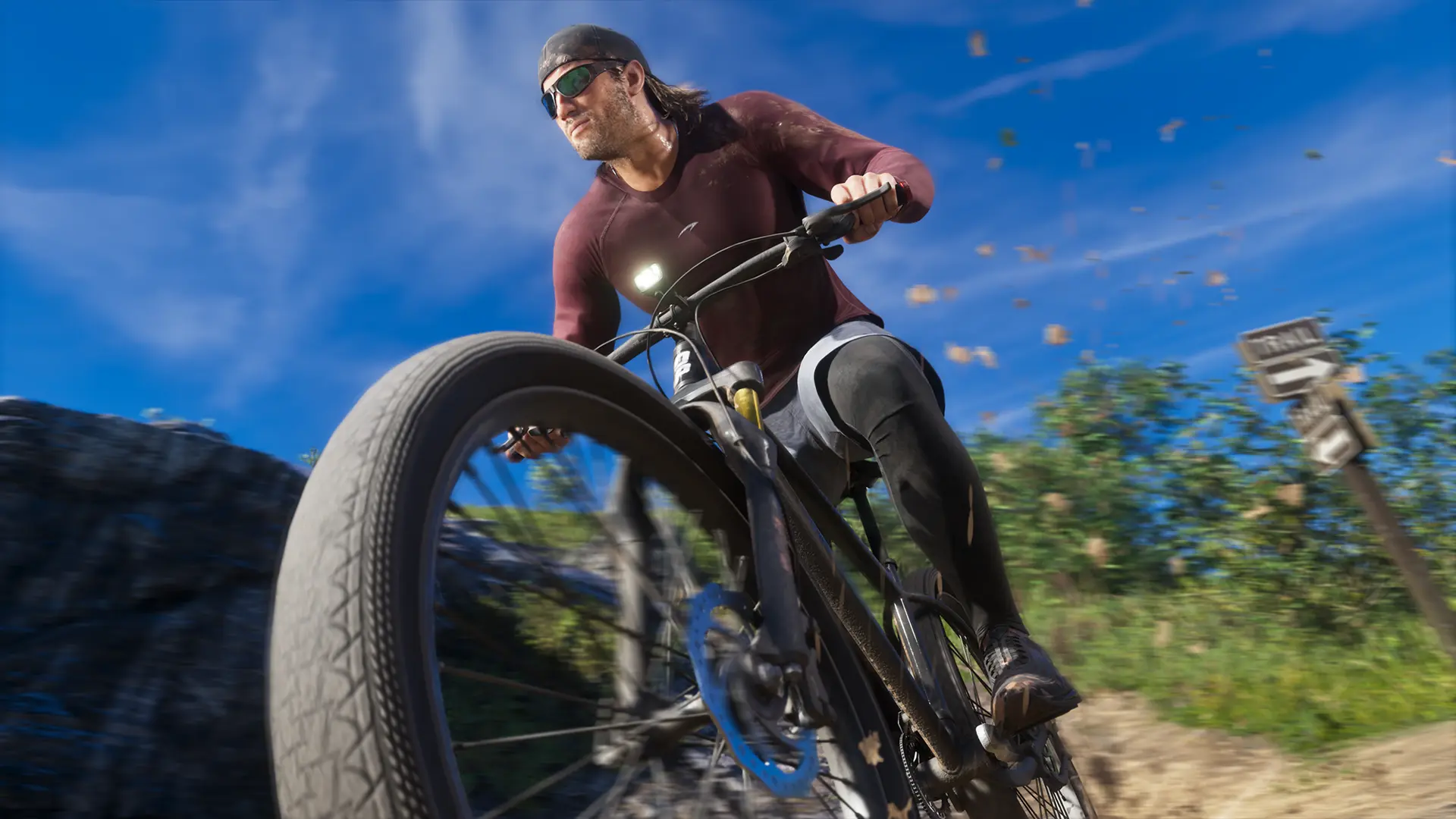
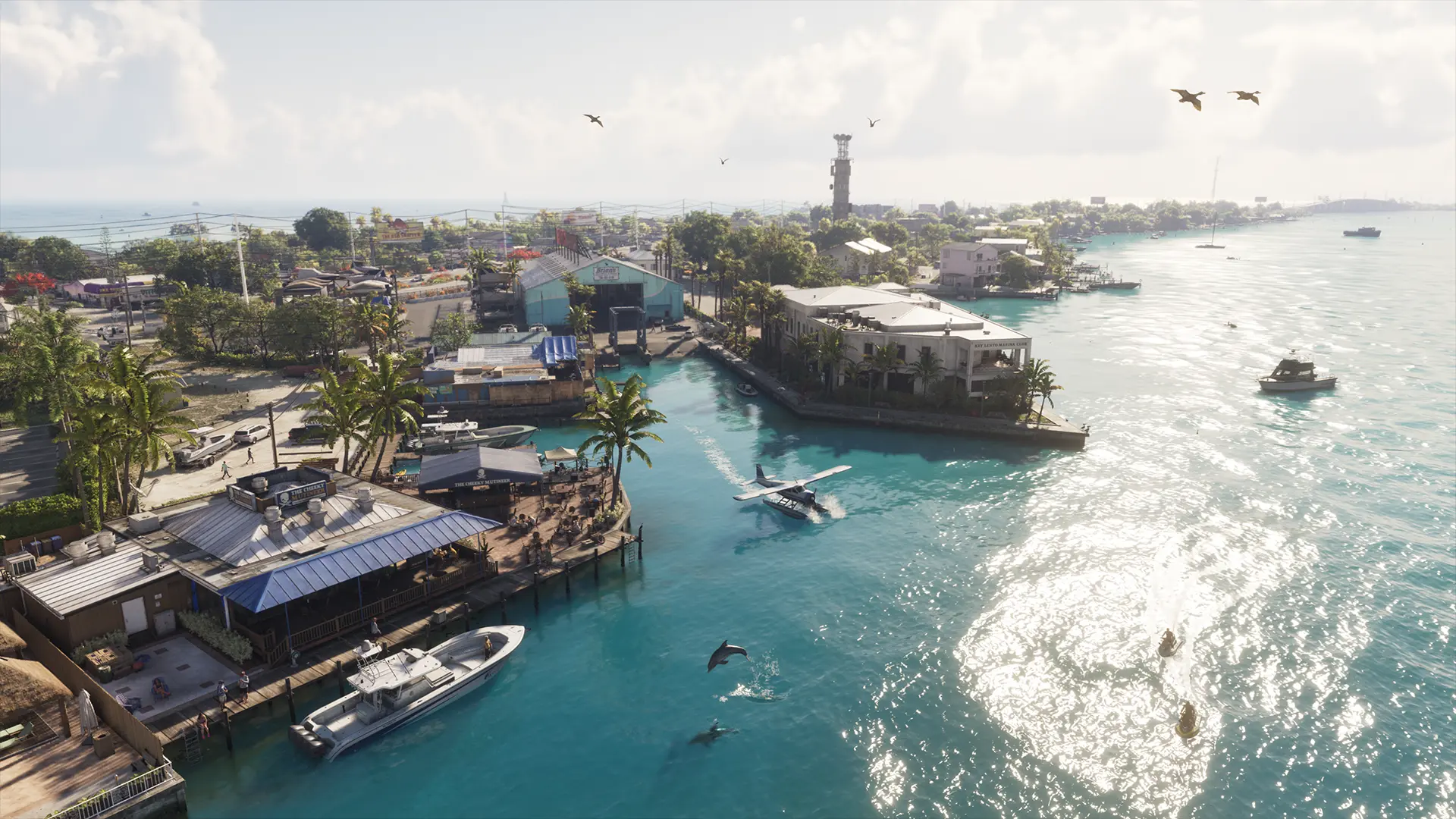
The sheer number of stores that you’re able to walk into and shop from, the ways in which you can engage with any person you pass in quick conversation or make unique discoveries just by parsing what’s going on around you all go such a long way to selling this world. For me, though, it’s been wandering the more remote beaches and landscapes, which look positively breathtaking at all times, that’s yielded the most wonderful surprises.
Fun on the Run
Everything you do in Grand Theft Auto VI has the chance to be a part of your story, whether it’s random events that occur during otherwise banal activities, casual conversations between Jason and Lucia about something you’ve just done or a text from an acquaintance that tips you off to an easy score. Rockstar confirmed to me that there are literally hundreds of one-off situations that players could experience throughout Leonida, and hundreds more ambient NPC occurrences to flavour your experience. You might witness a wreck and suddenly be drawn into a bout of insurance fraud that potentially pays dividends later, a routine bank robbery could see a citizen attempt vigilante justice and derail your effort. Hell, a “lawyer” might just burst out of a dumpster to trade illicit legal advice for equally illicit medications.
One of the most effective things the game does is avoid the pitfall of flashy AAA video games where interactions that seem rich and intuitive turn out to be one-off showpieces to hook you into big set pieces. GTA 6 not only retains every little detail and flourish that it shows off over the course of the game, it continues to build on them layer by layer. Not long after you’re finally freed of being forced to visit ATMs to deposit your meagre cash, when you finally start getting paid the big bucks in bank transfers, those same ATMs become targets as you gain the agility to rip them out of the wall for a quick payday.

Whether you’re exploring solo or as a couple, side questing, doing missions, the magic of GTA 6 is that the game never feels like it’s stopping to let you catch up, or vice versa. It moves with you, reacts to you, leaves space for self expression and always, always has a trick or two up its sleeve to keep things interesting and unexpected. It also feels so much more like a modern, AAA action game. Gunplay, movement, stealth and general gameplay direction are all clear steps up from what’s come before, whether that’s in your organic interactions with the game world or in more bespoke, cinematic sequences. For every chance I had to chill out and fish, dive for shipwrecked treasures, compete in motorcross races or play any of several full-on video game parodies there’d be equal chance of infiltrating the “pussy palace” of a Diddy send-up, solving dildo-based puzzles and evading fully grown tigers or donning full covert ops gear and rescuing a media billionaire’s grandson from a sugar factory under cover of night.
Robber? I Hardly Know ‘Er
Of course this wouldn’t be a Grand Theft Auto without a little, well, grand theft auto, and your criminal opportunities in this sixth entry are plethora. Rockstar has expanded on the illegal activities that make sense in the context of Jason and Lucia’s rise from small-time offenders to hardened outlaws capable of pulling off large-scale operations alongside organised crime syndicates. So while in the early hours it’s enough to get by to stick up a gas station or pinch an unsecured, beat-up sedan, you’ll eventually graduate to robbing jewelry stores and major banks, breaking into mansions and compounds, and using specialised electronics to jack shiny new sports cars.
Your ability to do what the name of the game says is more important than ever, here, because in Jason and Lucia’s situation simply buying a car is out of the question. Instead, your main means of acquiring transportation is to swipe something off the streets and then register it under your name at whatever shady dealer or Pay N’ Spray is willing to fudge the papers. Varying levels of security like electronic keys and GPS trackers that ping your location to the cops can only be overcome as you progress the story and acquire the means, though, effectively gating your access to better and better vehicles over time in a way that makes sense.
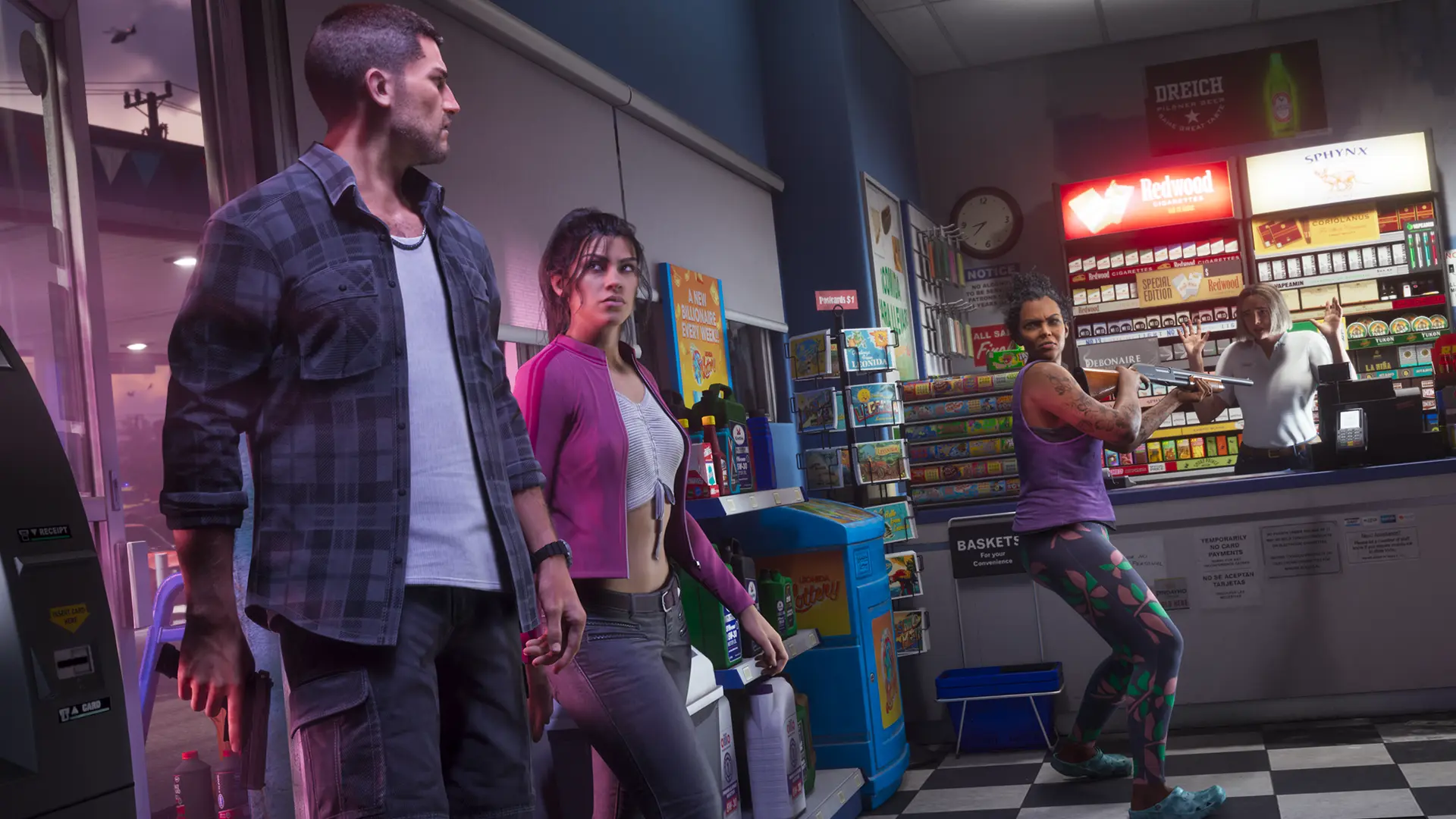
Both characters can individually own cars, which they’ll independently drive around in when you’re not together, and the condition and location of your registered vehicles is tracked at all times. Leave one of your cars at a crime scene and there’s a good chance it gets impounded, requiring you to go and break it out if you’re especially attached to it. Your owned rides also work as portable storage, allowing you to store extra weapons, gear, outfits and any stolen goods you’re yet to fence in the trunk, which makes them all the more crucial. If I had one gripe, it’s that trying to manage all of this stuff, and coordinating between Jason and Lucia to do things like pass bags of cash during a heist or make a quick getaway can easily be undone by the more deliberate nature of the game’s controls and physics – there are a lot of contextual menus and prompts to get around, and those incredible animations often come at the cost of speed.
Vice City’s Most Wanted
A clear distinction in this latest entry is a huge overhaul of the Wanted system that governs how Leonida’s law enforcement responds to your more illicit actions. The classic Stars that indicate the escalating level of resources being thrown at taking you down are still here, returning to a maximum of six, but they’re only half the story. Both getting caught and getting away rely on a plethora of more organic criteria this time around, and it starts with all of that extra pedestrian density. Simply committing a crime won’t see the cops immediately swoop – there has to be a genuine witness, a victim that later calls it in, an alarm or vehicle tracker, or even CCTV.
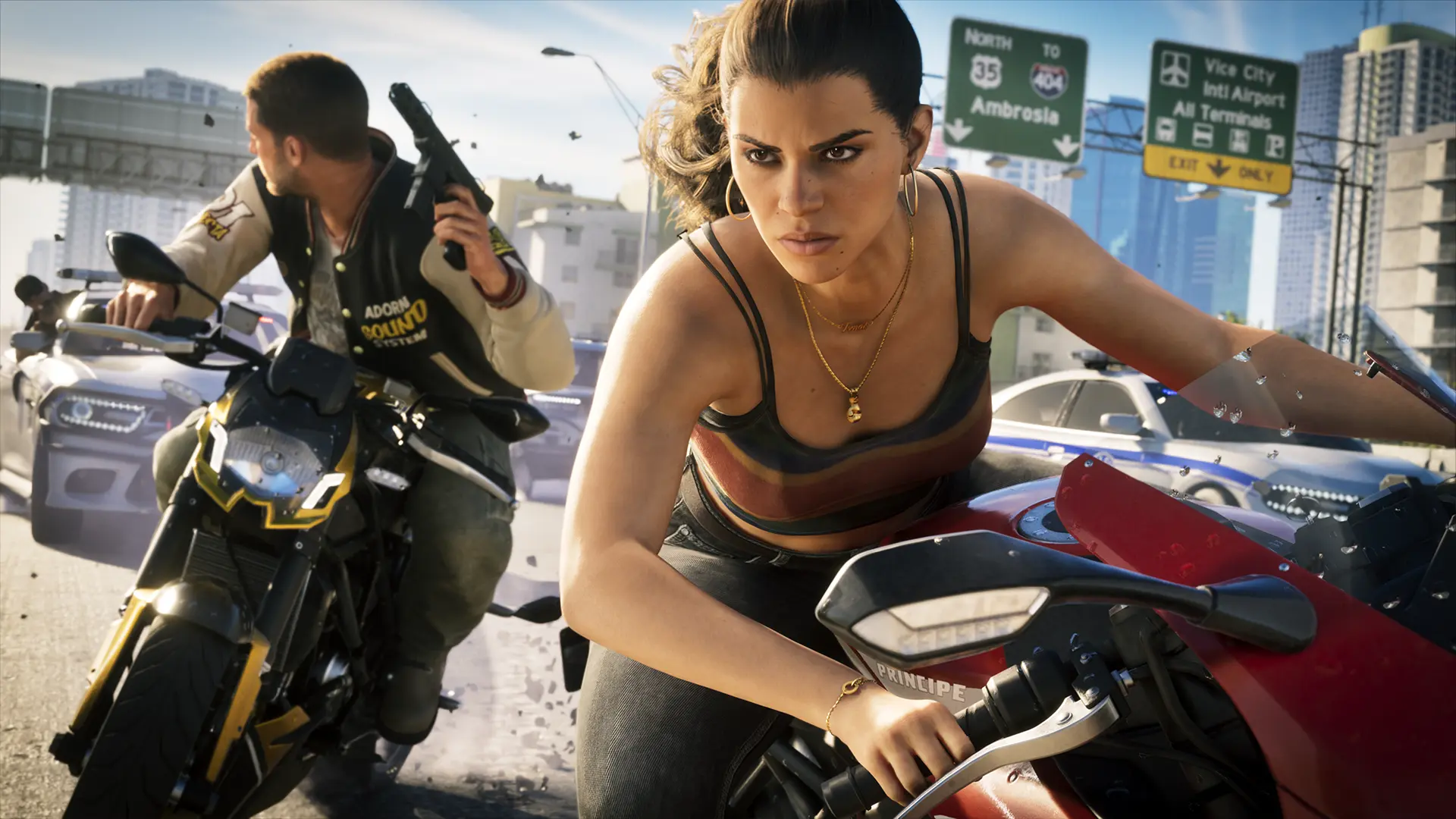
When one of those things does happen, the police will also have access to varying levels of information about the perpetrators of said crime. What you look like, what you’re wearing, what vehicle you might be in, whether you’re armed, and crucially where you are. All of those details go into building an on-the-fly profile for the responding officers to track you down, and build out an area of Heat on the map. Manage to break line-of-sight and get out of this zone, and you’ll usually be able to get away clean, but within it you’ll have to work a lot harder to evade the cops – change your clothes, swap cars, destroy security footage, whatever it takes to remove each of the icons underneath your Wanted Stars that tell you what officers are actively looking for.
These changes are far and away some of the most revelatory in GTA 6, turning the series’ typical cat-and-mouse game of evading the law into something that feels so much more like a proper crime thriller. It’s especially true of your attempts to pull off shopfront robberies or bank heists, where planning for the police response becomes incredibly important. Whenever I needed a quick cash injection, I’d pick up a tip on an armoured cash delivery from one of the game’s fences and then roll in with a real plan. Two cars, one parked a little further away in an alley for a quick swap, extra outfits in the trunk, explosives on-hand in case I have time to blow a safe, bandanas on and then wait until I know the cash is being delivered and thus the vault is open. If all goes well, I can make off with some serious stacks, and if it doesn’t, well that’s when it gets real exciting.
Missions? Accomplished
All of GTA 6’s extra environmental context and reactivity plays right into mission design, which is far and away the series’ best. As you careen from one explosive set piece to the next or quietly navigate social and environmental challenges, the game is constantly re-adjusting the experience under the hood based on your actions. It means there’s almost zero chance of a “you can’t do that right now” or “you failed to do this correctly,” like in one particular instance where I was meant to tail a speedboat by cruising alongside it on a motorbike, on land. Only I misread and jumped in a nearby boat myself, which in any other game should’ve meant certain failure, but in which case my companion at the time simply said “That works, too” and the game pivoted to a dynamic boat chase.
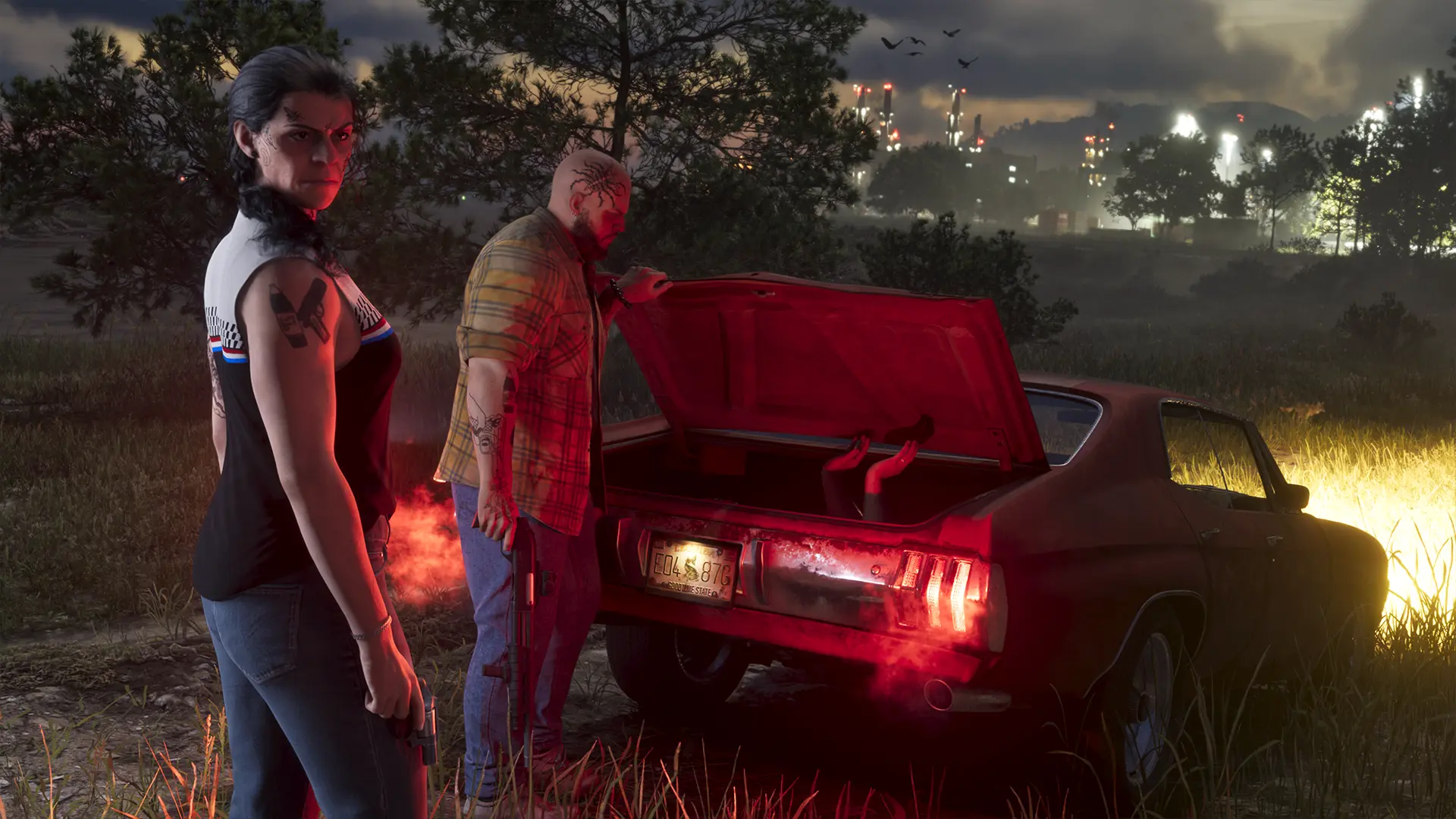
There are some absolute banger sequences to be found across all of Grand Theft Auto VI’s distinct chapters. A single mission will see you get in the way of label arguments in a seedy strip club, chase a rapper down suburban streets in tuned cars, infiltrate a house party by shutting off power to the premises, watch a live performance spill out onto the street and then hard cut to a quiet coffee date by the shore the next morning without so much as a pause.
Towards the later stages of the game you’ll start being involved in larger, multi-stage heists which take place over multiple story missions and often require time and patience as events unfold alongside your progress and intersect with the other things you have going on in Leonida. That slow build and steady work within this organic, shifting world really makes finally pulling off a big score feel that much more climactic, and extra exhilarating when things inevitably go awry. What makes all of this so impactful is that there is so little separation between what can happen in or out of a mission, or frankly how you would even categorise any one task you take on. It’s all so much more organic and intrinsic to the world around you that it feels like anything could happen at any time, and often that’s entirely the case.
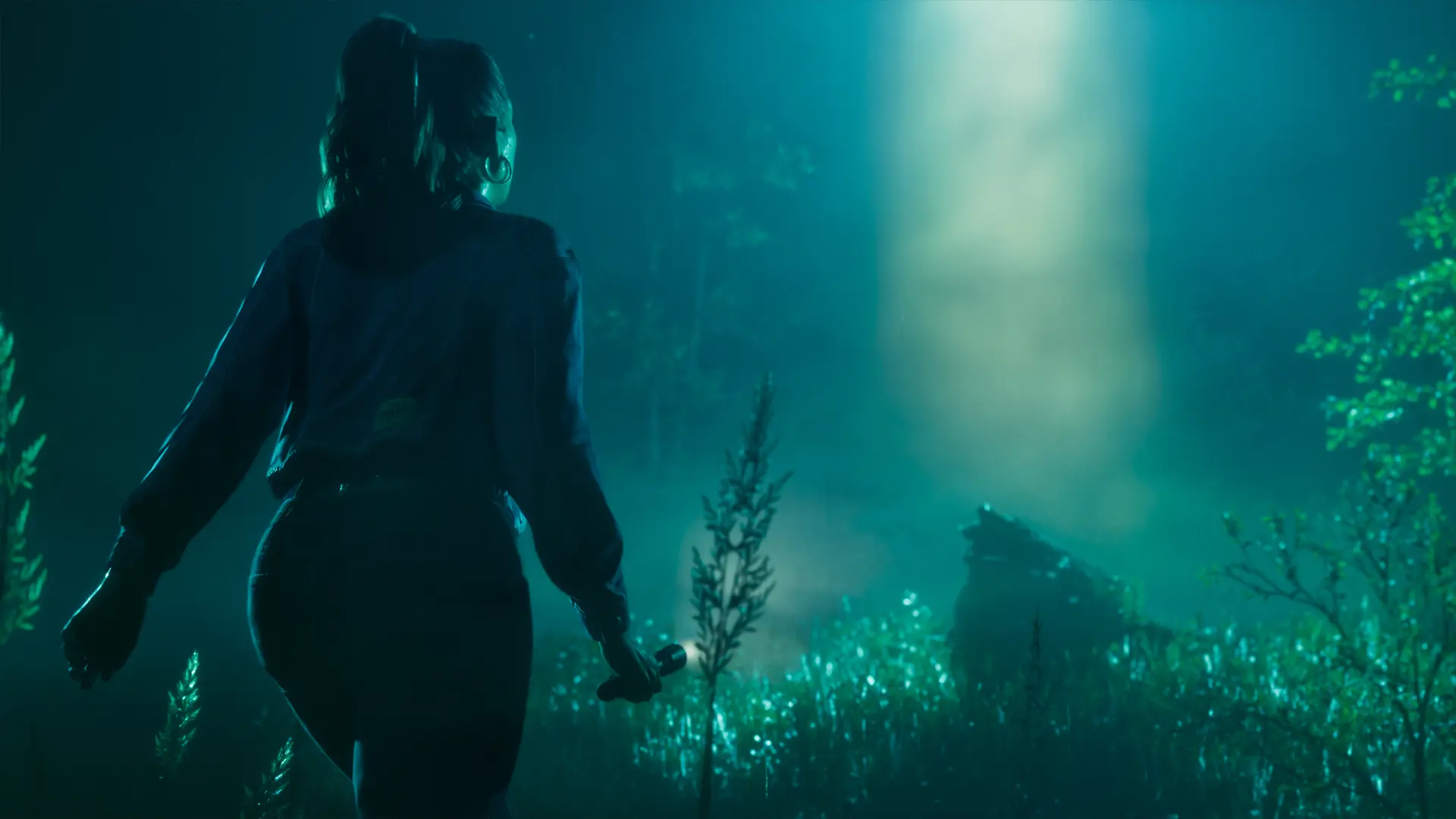
Some jobs are locked to either Jason or Lucia alone, some strictly require them to work together but in a lot of cases it’s up to choice. Many of the bigger and more bombastic escapades will have you switch constantly between Jason and Lucia as they perform their individual parts, giving you different perspectives and gameplay opportunities in tandem while supporting mistakes and deviations you might make along the way. There’s some real Ocean’s 11 meets Uncharted stuff here with missions that rival the depth and presentation of a lot of AAA action games, but all still existing within the context of an open world driven by player agency.
It’s seriously impressive the extent to which dialogue, NPC behaviour and whole cutscenes change based on who you bring into any particular mission or situation, and even more so that your choices and actions across the whole game can have lasting consequences on how things play out. Although I’ve only had time to play through this huge game once so far, there are multiple endings and smaller outcomes along the way that lean heavily on how you play and in particular the nature of the relationship between Jason and Lucia in your game.
Vice Lookin’ Nice
Now this feels like a bit of an obvious statement to make right here, but Grand Theft Auto VI is hands-down the most technologically accomplished video game I’ve ever played. It’s an achievement at every level, where despite the enormous volume of environments, characters, vehicles, animals, buildings and everything between, every single model, texture and effect holds up to the highest scrutiny. It truly is something on the level of the slickest, big-budget AAA games out there while taking place in a huge and busy open world – it’s little wonder we’re looking at a 30FPS presentation across all current platforms. It’s a rock-solid 30, though, at least on the PS5 Pro, and I can confidently say that there’s more polish here than on the Phister Growler I just slid out of my penthouse parking garage. I saw less than a handful of visual or gameplay instances that looked like they didn’t belong across 100-odd hours of gameplay.
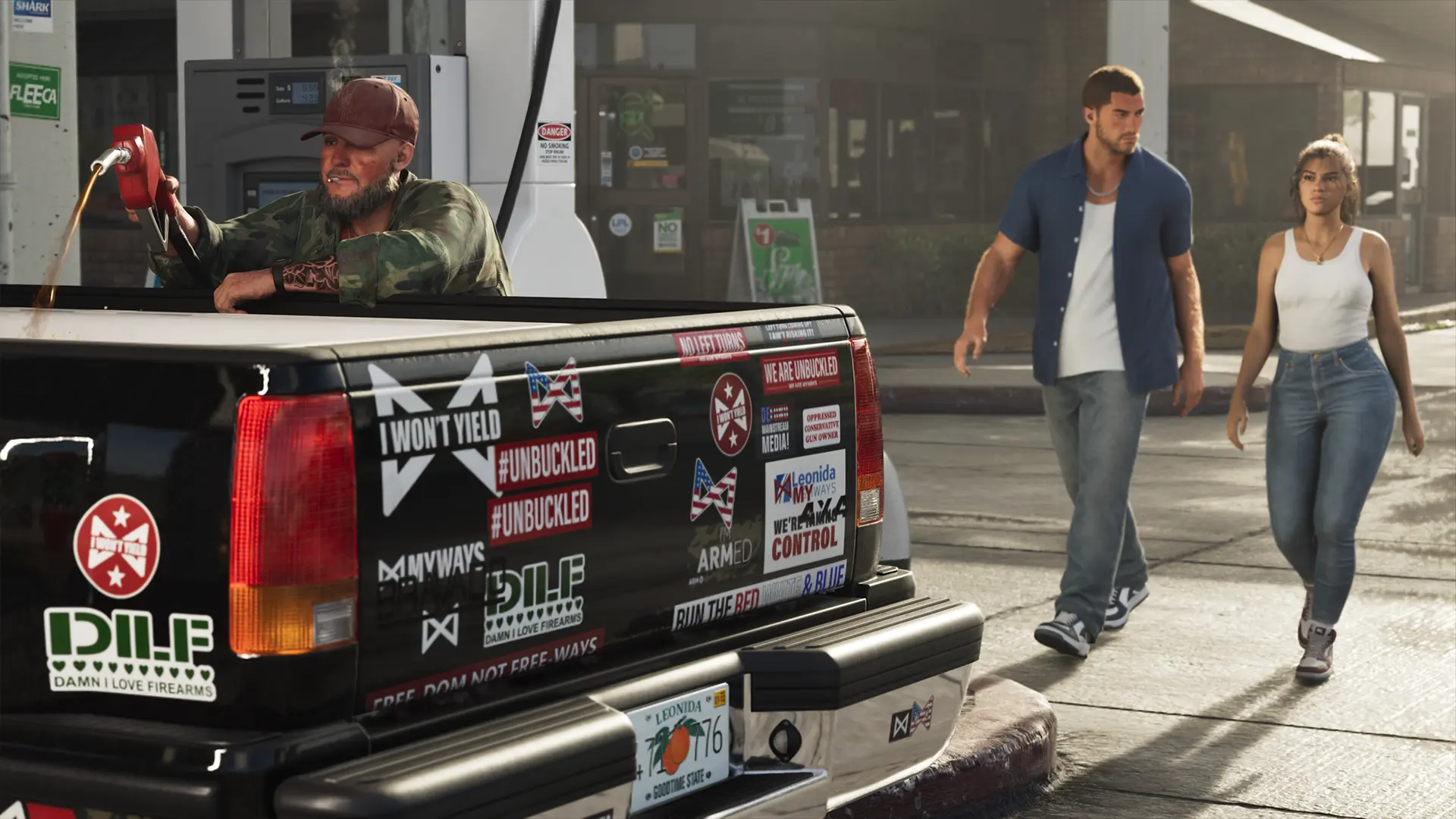
It’s the animations that deserve the biggest kudos, though. There’s a comprehensive set of animations for just about anything you could hope to do in this game, whether that’s neatly placing your empty coffee cup in the sink after a morning brew, double-fisting cocktails while strolling through a strip club or awkwardly squeezing out of the driver-side door after a botched park job. If it looks like something you can do, and usually it is, someone at Rockstar has thought about and animated nearly every possible approach. This is an inadvisable way to develop a video game, and likely an impossible one if your studio isn’t called Rockstar Games, but it’s remarkable nonetheless.
I love that I can wake up, dress myself from a frankly stupid number of possible clothing items, grab a protein bar and head out for a morning walk where the sprinklers on someone’s front lawn create a gentle mist in the burgeoning sun and soak my clothes as I walk through them, too busy scrolling through social media on my phone to notice. I love that I’m doing this while listening to any of the game’s banger selection of licensed tracks amongst its diverse radio stations on the knock-off AirPods that I bought at an electronics store the previous day. I love that I can text my partner to see what they’re up to and, if it sounds like fun, I can quick-switch to playing as them with just a few seconds wait as I transition to an entirely different part of the map.
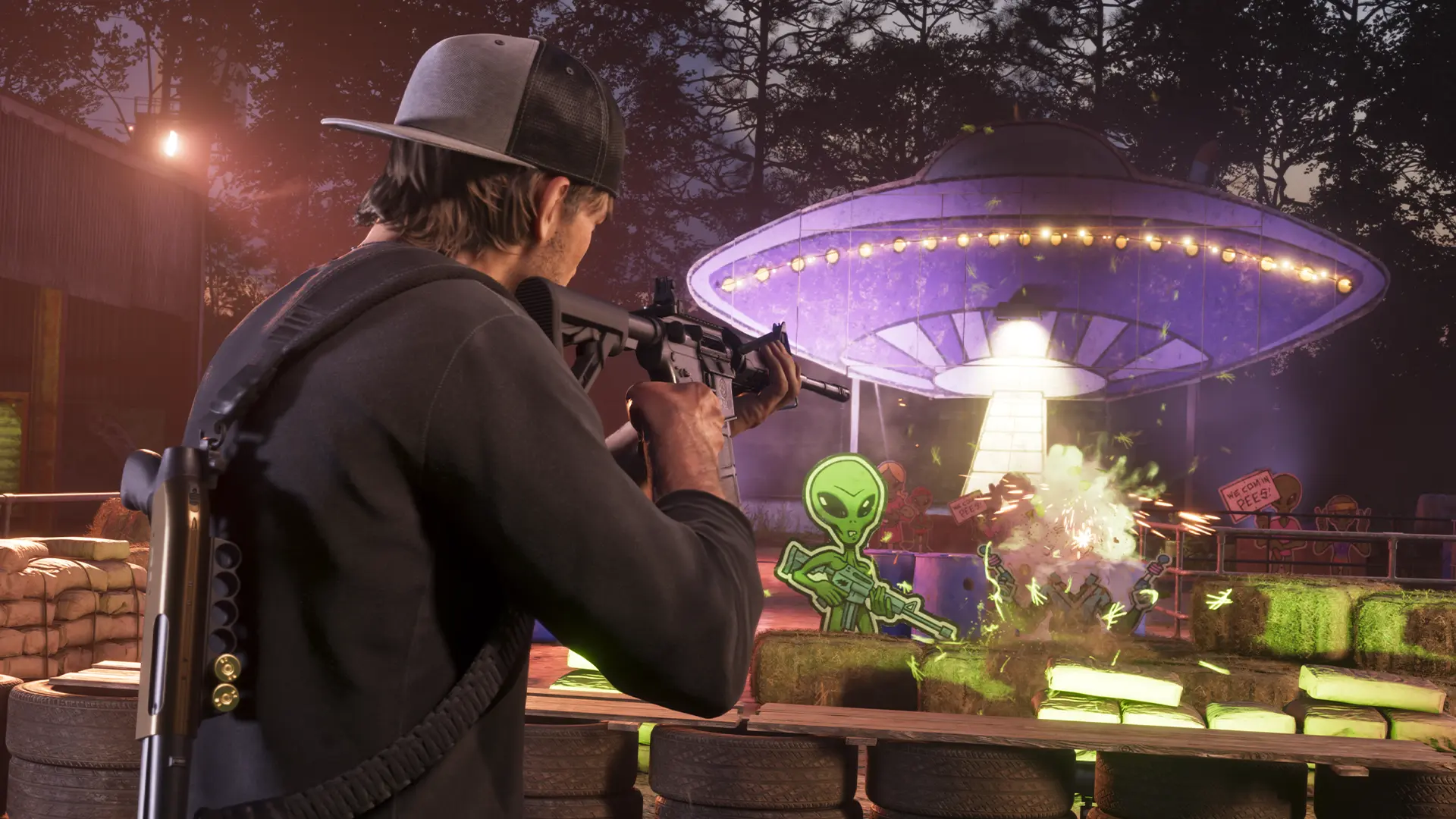
Grand Theft Auto VI’s class-leading presentation isn’t just about raw fidelity, realistic physics, ray-traced effects or massive draw distances, though it has all of these things, but about how it’s all tied together and working in tandem with the simulation to create something wholly believable. It doesn’t just look like the ideal picture of a modern, photorealistic video game but it behaves like one, sewing the seams of its virtual world so finely that the illusion is near-impossible to tear apart.
Also, and I don’t have a more eloquent way to segue into or say this – the original score from Justice that backs a lot of the more significant moments in the game fucks real hard.
Before you go…
What this all amounts to is a game that essentially takes the best of everything Rockstar has produced to date to amount to its crowning work. The multi-protagonist mission design of GTA V, the more immersive and interactive world of GTA IV, the expanded character interactions of Red Dead Redemption 2, and Max Payne 3’s visceral and cinematic action backed by a killer original soundtrack.
Despite the lengthy development cycle, the game manages to tap into a ton of modern cultural trends. The effects of social media on how humans view and achieve notoriety, the disruptive advent of AI, the role of the scalper market in arts and entertainment. Leonida is a fascinating melting pot of ideas, identities and ideologies, and there remains so much of it that I’m yet to see and understand. But it’s Jason and Lucia’s turn as a fiercely relatable and remarkably embedded pair of protagonists that gives this latest entry its identity.
Reviewed on PS5 Pro | Review copy supplied by Rockstar Games
Like our content on covergeek? Hate dodgy AI summaries? Click here to add us as a Preferred Source on Google and see our posts more often!


Born into the world of video games through SEGA, and in particular Sonic the Hedgehog, Kieron’s gaming tastes now consist of the latest, shiny AAA thing, an indie darling or two, and an embarrassing number of hours of Balatro.