
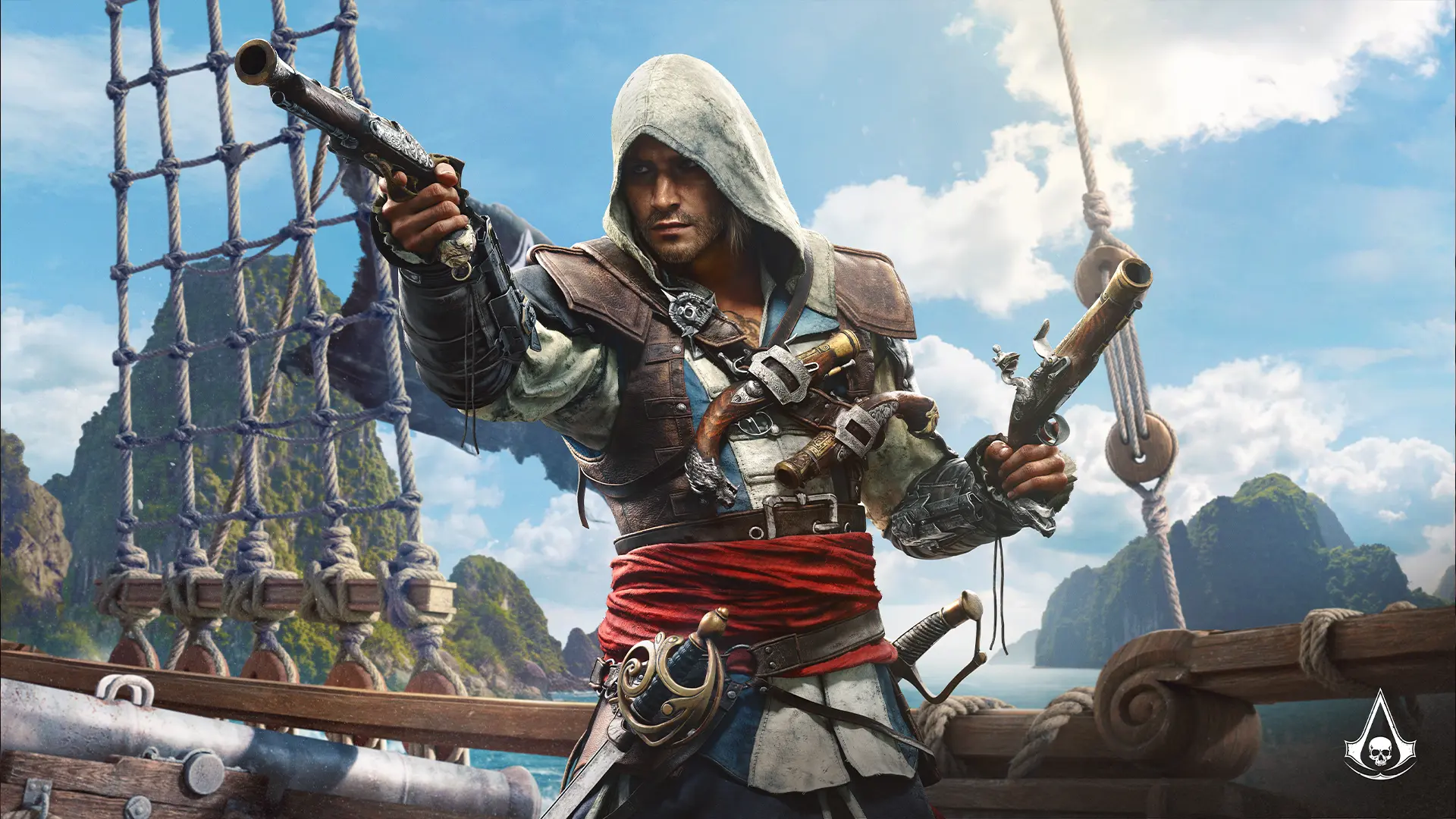
The first thing that struck me when starting Assassin’s Creed Black Flag Resynced was just how colourful it is. The original game was released in a period of AAA gaming where colour depth was in very short supply. Colour palettes were muted, and soft, bloomy lighting gave the game a dreamlike effect. Resynced could not be further from its originator in its visual splendour — filled with life and colour so rich that you’d be forgiven for thinking it was a different game entirely.
Underneath the very green forests, very blue seascapes, and overwhelmingly pretty lighting is a game that feels torn between the past and the present. Resynced blurs the line between remake and remaster. The world itself is a near 1:1 recreation of the original game, with very few changes beyond a very attractive coat of paint, and most of the game’s plot plays out the same, beat-for-beat from start to finish. That’s not necessarily a bad thing, there’s no need to fix what isn’t broken, but I’d have liked a little bit more beyond some mechanical changes.
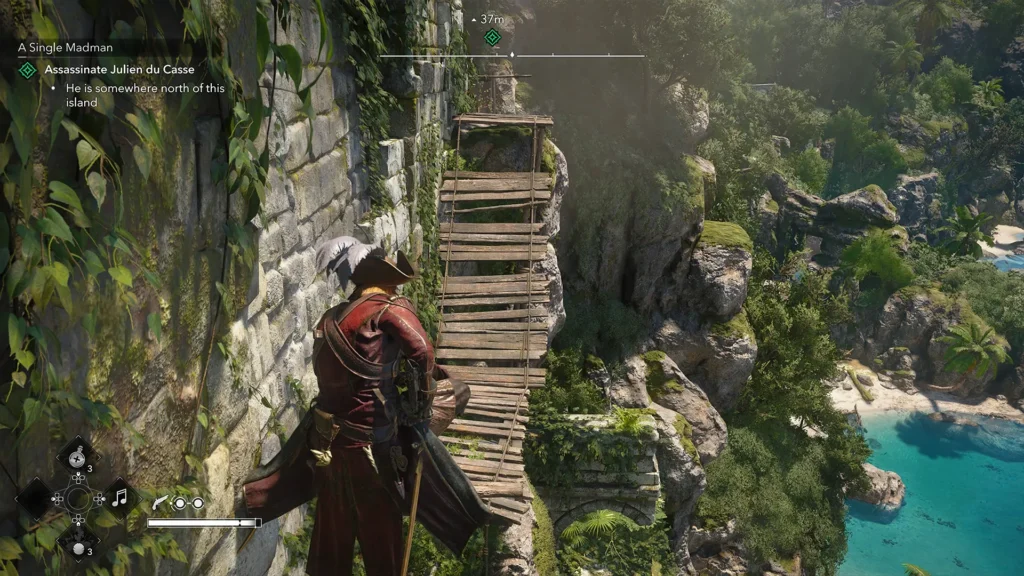
Mechanically, Ubisoft has overhauled almost everything. Combat and traversal have been extensively reworked, mixing concepts from the original with the bells and whistles of modern entries, and naval combat has been tightened up significantly, making for a much more enjoyable experience when seafaring.
Many of these changes and additions aren’t for the better. Parkour feels great at times and downright terrible at others. It’s fairly similar to Assassin’s Creed Mirage, but that comes with its own host of issues. Resynced reuses the world design of its originator, so it’s not particularly well suited to the freeform nature of modern Assassin’s Creed parkour. The original game’s parkour was almost scripted in a way, with a magnetic flow to jumping between buildings, hopping across tree branches, and clambering up sheer rock faces. Not so, here.
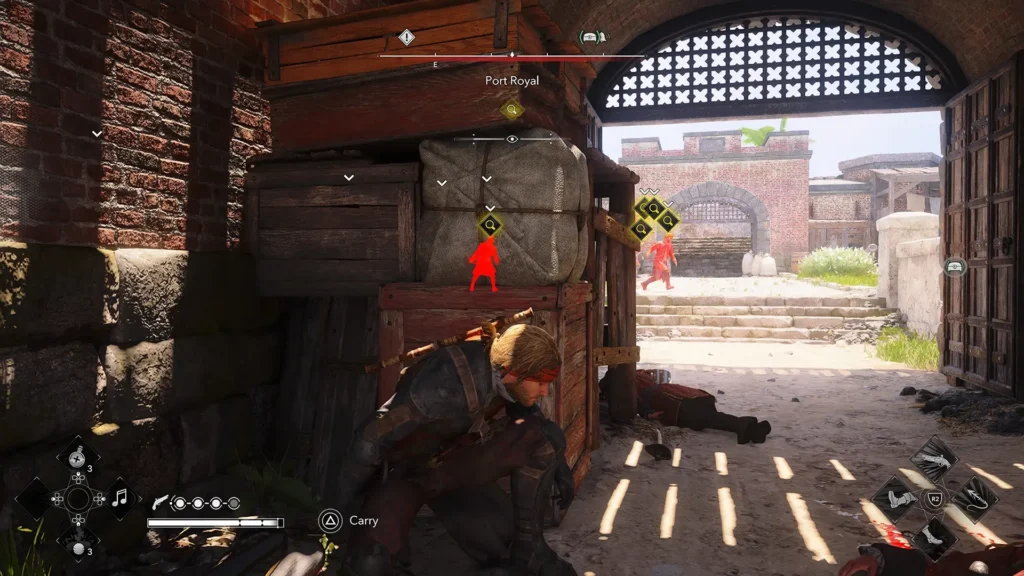
The loss of magnetism to handholds and traversal markers means that it’s very easy to miss jumps, or randomly eject off a wall, and fall to your death. It’s compounded by the second major problem with parkour: it’s very buggy. Countless times throughout my playthrough, legendary pirate and master assassin Edward Kenway failed miserably to step up a small ledge, leap from one tree branch to another, and climb up a very obviously telegraphed set of handholds. It’s not broken, exactly, but it falls well short of the level of polish you’d expect.
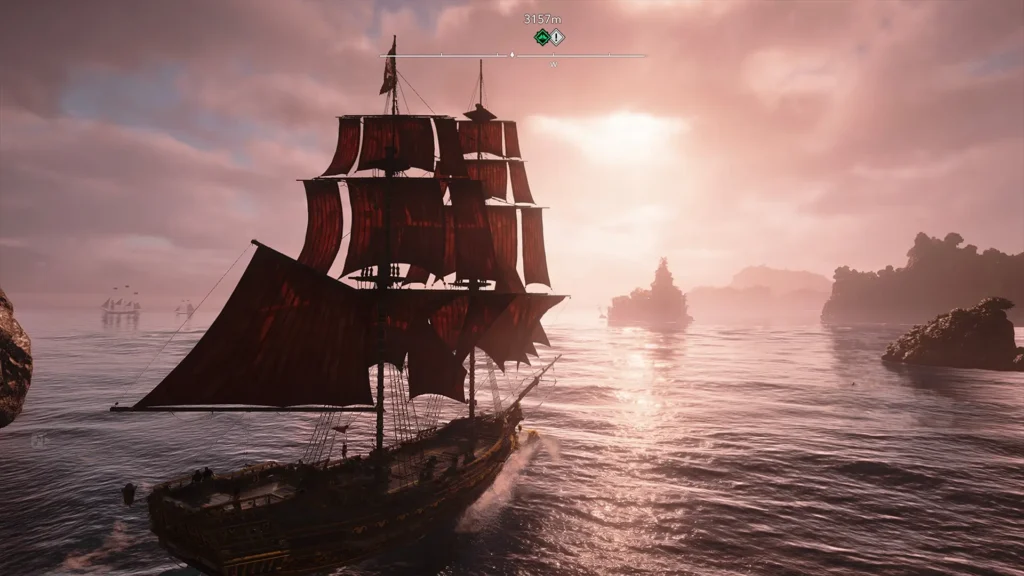
Seafaring fares significantly better. I hated naval combat in the original game so much that it turned me off similar systems in other games for a decade. Resynced turned things around by improving the ship’s handling, firing, and just about everything else. It goes so far that even the widely reviled swamp mission is actually quite enjoyable. Some things, like shot types being tied to which direction the camera is pointed in, are still a little too fiddly for my liking, but I nevertheless enjoyed partaking in naval combat, and even sought it out, so that’s a success if I ever saw one.
Almost everything else carried over from the original game is mostly great, too, and Black Flag’s main storyline in particular is compelling. It’s almost refreshing to play an Assassin’s Creed game that doesn’t drag its feet when getting into the story. Edward Kenway was poor, so he became a pirate and made pirate friends. We don’t get flashbacks about how Edward came to meet Blackbeard and Kidd, no drawn out training montage or slow rise to power. More games should trust their players to figure out the basics like this.
It is messy, though, and made messier by the removal of the modern day segments found in the original. That framing, of an Abstergo employee jumping into significant moments in Edward’s pirating career to uncover information relevant to the company’s modern day conflicts, is surprisingly helpful for making the story feel cohesive. Without it, you’re left with story segments wrapping up just a little too soon, and big gaps in the timeline that distort the feeling of how much time has actually passed. As I said, it’s messy.
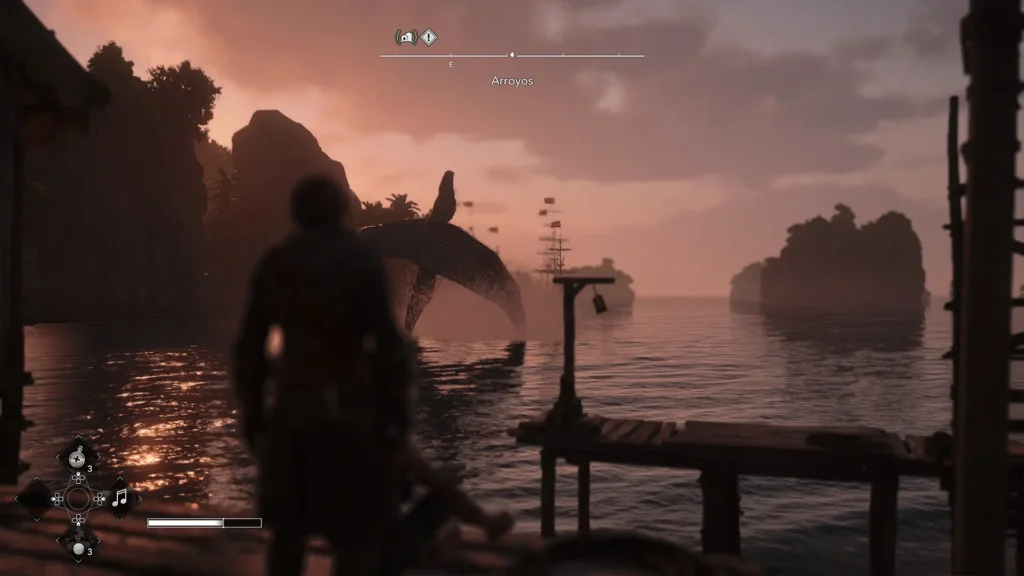
It’s helped somewhat by new additions to the story that are by far some of the strongest writing for the series in at least a decade. There are two beautifully written epilogues for Blackbeard and Bonnet, tying up their stories with satisfying conclusions that they never got in the original game. I didn’t care all too much for either character in past playthroughs, but their epilogues just push them over the edge into all-timers.
The final major story addition is a set of three questlines focused on newly added officers that join Edward on the Jackdaw. The officers are fantastic additions to the cast, wonderfully acted, and have incredible stories attached to them. One, for example, has the officer in question hunting down her shitty, abusive father to rewrite her family’s legacy. Another sees a retired pirate turned man of God grappling with the intersection of his past and his future.
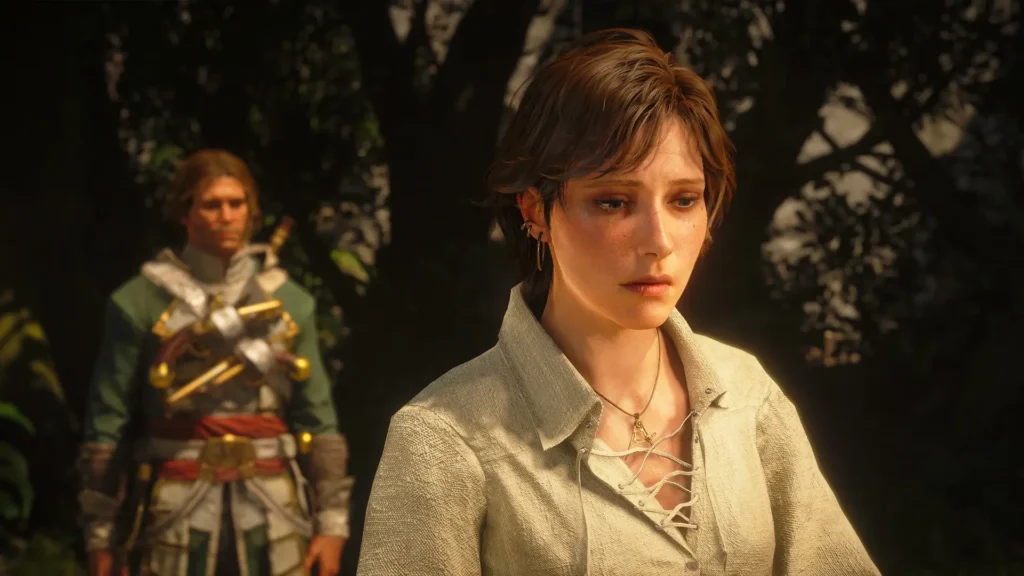
These are personal, pointed stories that help shape Edward into the master assassin he’ll eventually become, with the only major caveat being that, outside of their officer quests, the officers barely exist. I would have liked to have seen them play a bigger part in the newly expanded game, and gameplay in these new additions is also somewhat lacking in design sensibilities compared to much of the rest of the game, but they’re far from bad, at least.
It’s hard to see Resynced as anything other than a fascinating, two-sided recreation of one of most beloved games in the series’ history. By precariously balancing the old with the new, it feels like it not only reaps the rewards of classic and modern Assassin’s Creed, but shines a harsh light on the weaknesses of both. There’s a lot to learn from both, and I can only hope that Ubisoft is paying attention.