
Hang it in the Louvre
My first The Legend of Zelda was Majora’s Mask. A game I played when I was too young to read. My illiteracy, combined with the haunting atmosphere of Termina resulted in me never making it past my first foray into Clock Town, and quitting the series until, as an adult, I picked up Breath of the Wild, and it quickly became one of my all-time favourite titles. I always intended to return and play Majora’s older brother, Ocarina of Time, but somehow never did. After finally doing so for this review, I can comfortably say that whatever you’ve heard, The Legend of Zelda: Ocarina of Time is better.
Nintendo has placed an immense burden on the Ocarina of Time remake. At once, it must serve as a system seller for a console that needs a killer app for its second-ever holiday season, onboard newcomers to the franchise, re-introduce traditional 3D Zelda for fans whose only exposure to the franchise is the Breath of the Wild/Tears of the Kingdom duology and live up to the nostalgic memories of the millions who experienced the 1998 original.
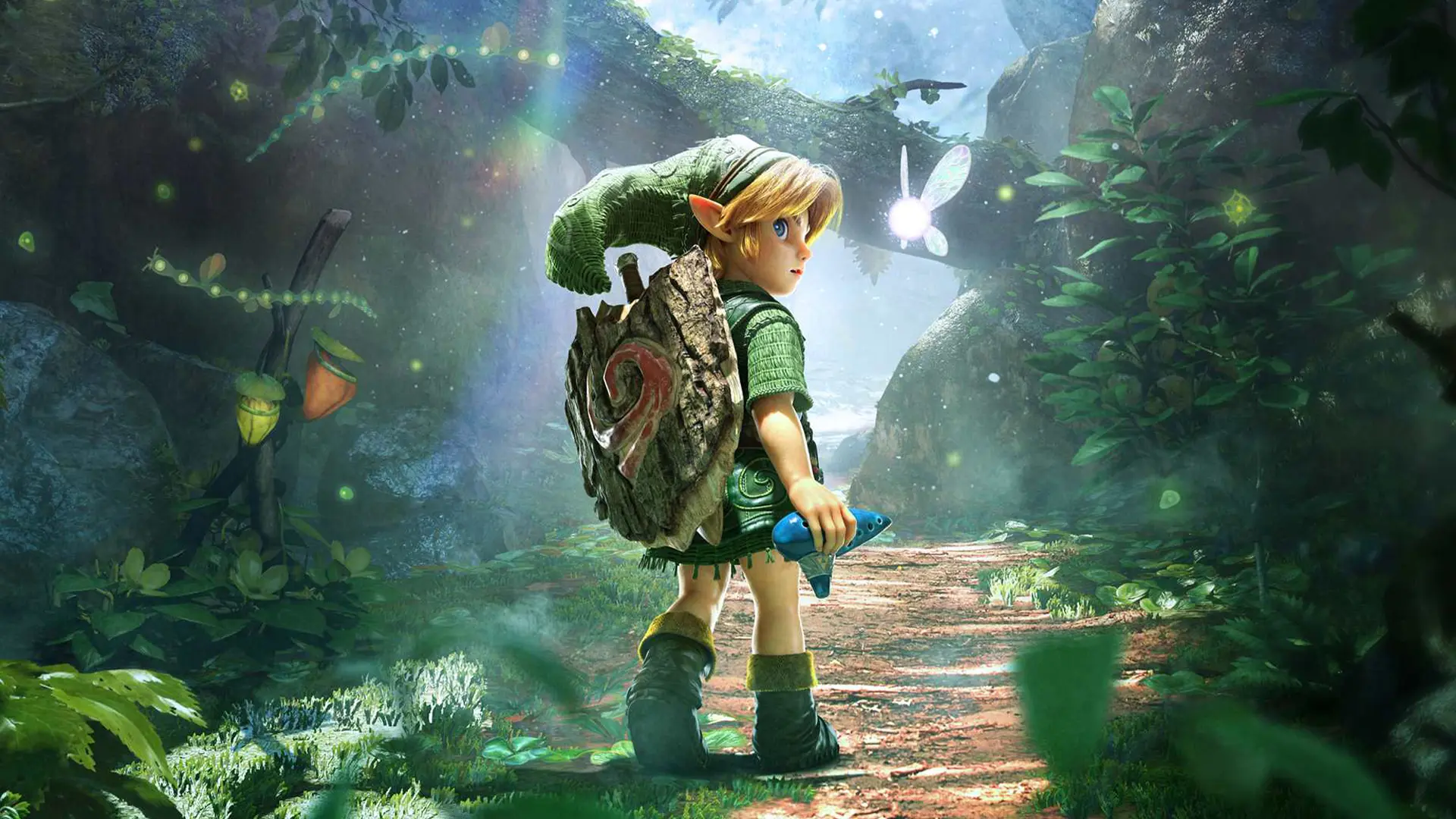
Thankfully, Ocarina of Time for the Switch 2 exceeds all expectations and delivers the definitive way to enjoy Nintendo’s 1998 masterwork.
A remake must walk a difficult path, retaining the essence of the original while offering enough change to justify its existence. And from the title screen alone, it is clear how much care has gone into ensuring Ocarina of Time achieves both.
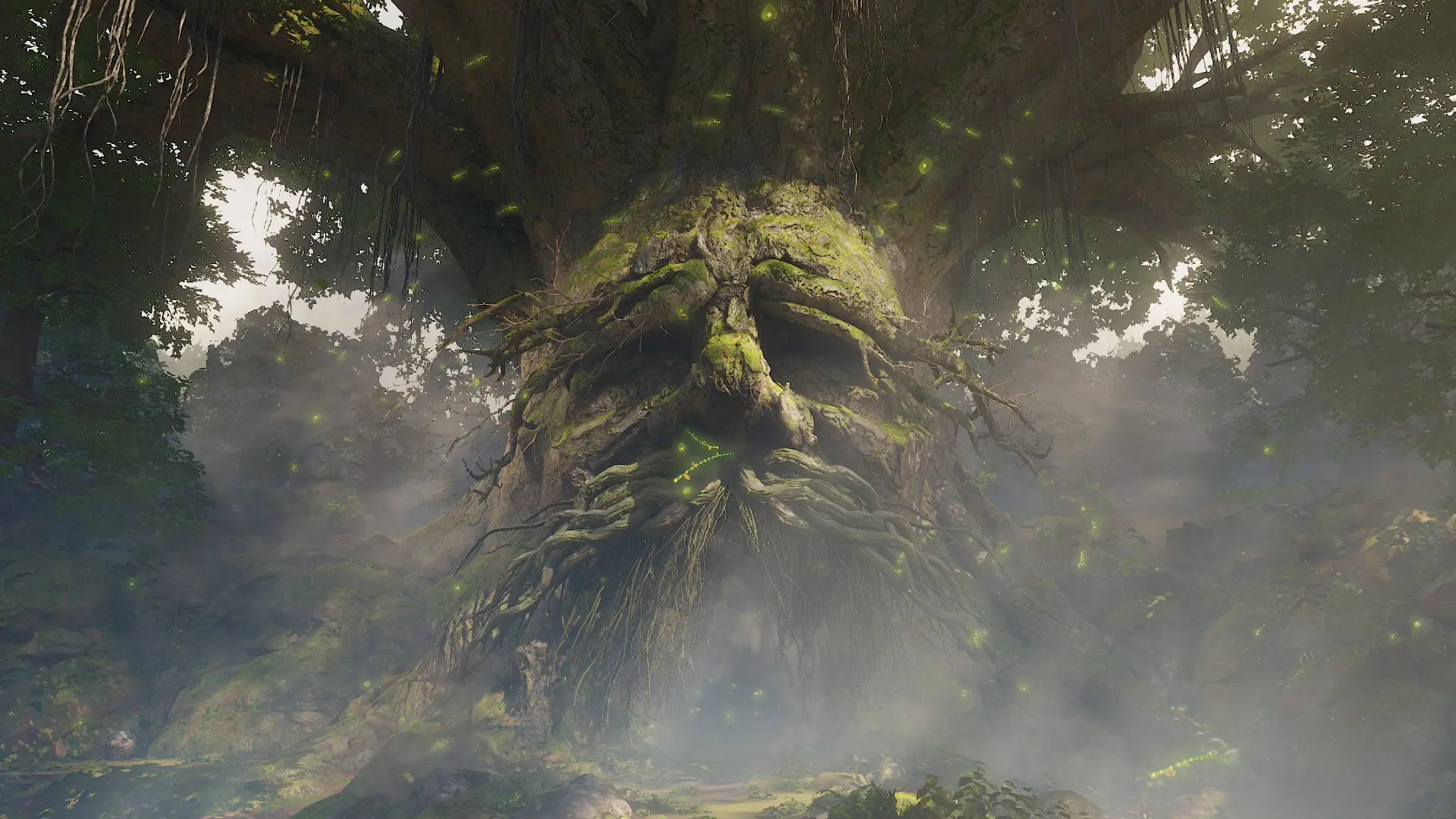
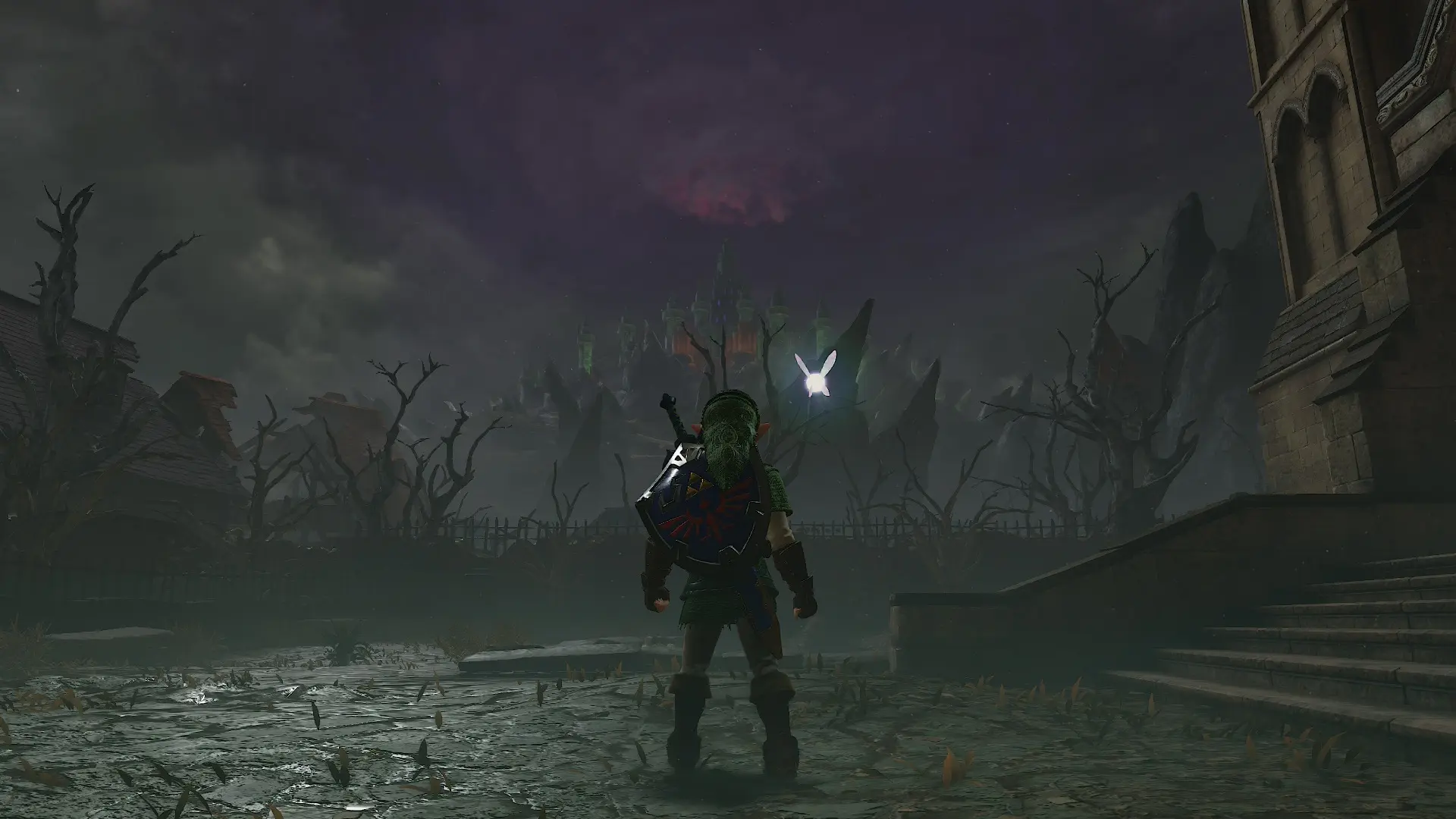
Koji Kondo’s score has been re-recorded with a symphonic orchestra, and features subtle alterations to distinguish day and night and weave in later series motifs for civilisations such as the Gorons and Zora. The resulting score lingers long after playing. Alongside this, the Rococo-inspired art style is a visual feast, pouring immense detail into every character and landscape to create one of the most visually arresting games I’ve ever played.
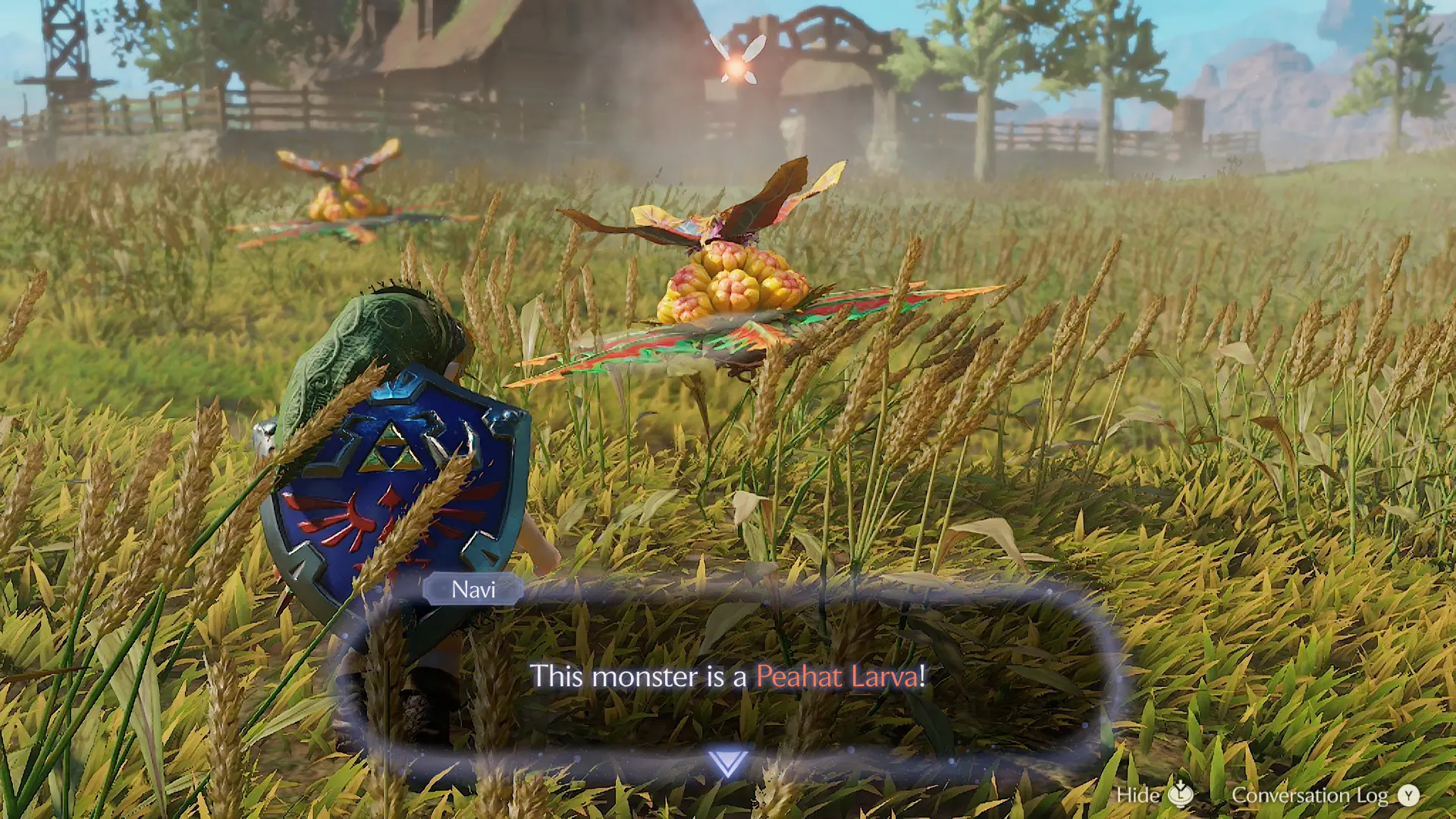
Immediately upon hitting New Game, players encounter quite possibly the largest deviation the Ocarina remake takes from the original – fully voiced cutscenes. While our historically silent protagonist remains, well, silent, the surrounding ensemble are brought to life by exceptional performances that add depth and personality to a stacked cast. Adding to the gorgeous new character models, some incredible updated animation and especially facial expressions go a long way to bring this world to life like never before , and create brand-new layers of subtext to every interaction.
This makes the story’s beats hit even harder – Saria’s sadness is almost unbearable as she has her final conversation with Young Link before he leaves Kokiri Forest, Ganondorf seems enormous and intimidating as he towers over Link on his horse during Zelda’s escape from Hyrule castle, and Link himself reacts to his surroundings in such a way that the player immediately understands what he’s feeling, even if he never vocalises it.
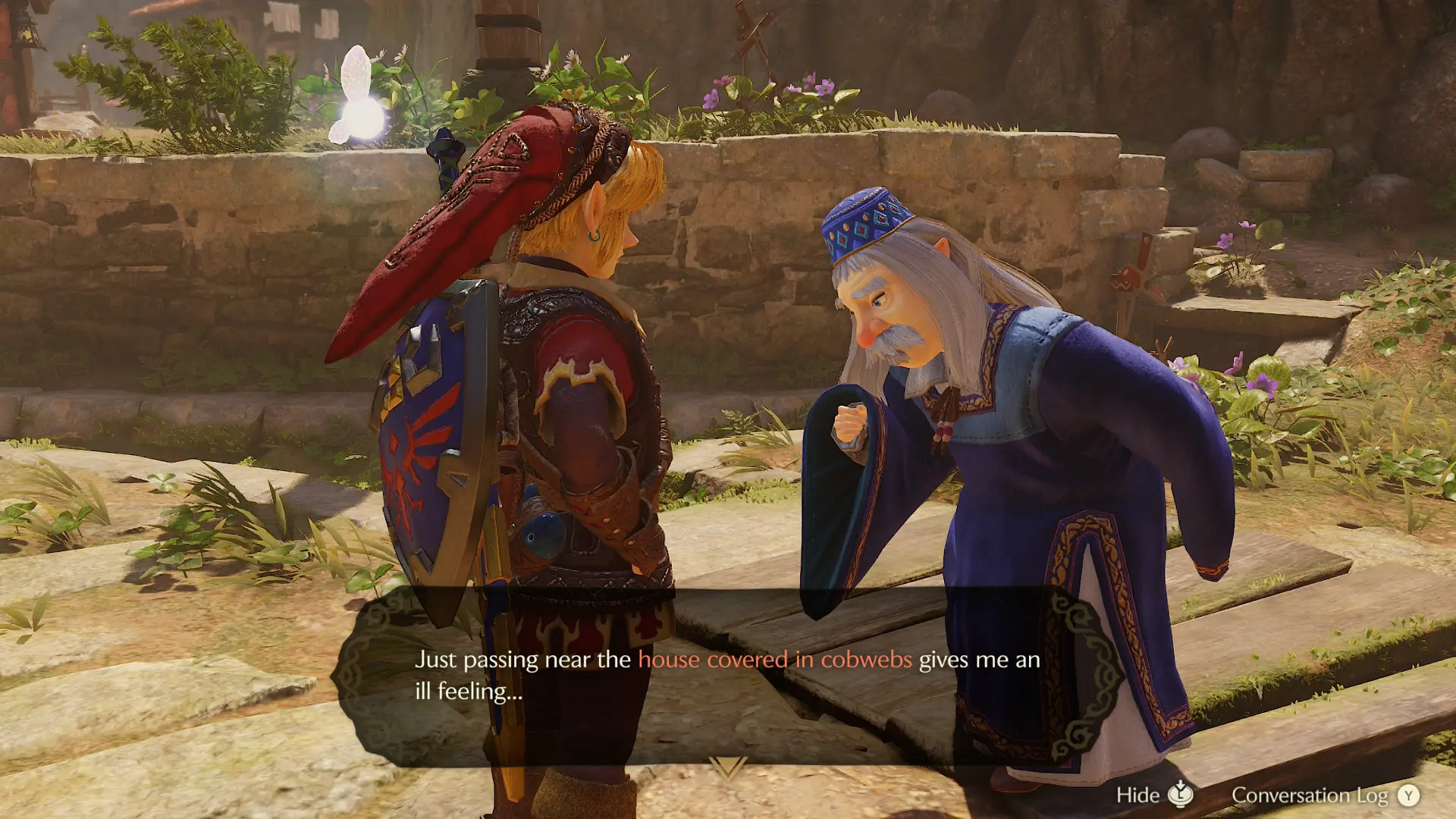
The main story is perfectly paced, gliding around Hyrule without ever lingering too long in any single location, dungeons are challenging thanks to creative puzzles that require Link to use an assortment of tools acquired through his journey, and there are hours to lose in various minigames strewn across the map. Ocarina encourages exploration by rewarding the player for talking to Hyrule’s inhabitants, so if you’re ever lost, talking to Hyrule’s denizens often offers subtle hints about places to explore or unusual goings-on about town to investigate. Ocarina utilises Link’s fairy companion, Navi, in a similar way, allowing him to learn about the creatures plaguing the land whilst doing battle with them.
But the game doesn’t hold your hand – Navi won’t outright give Link the answer to a tricky puzzle or tell him how to defeat a seemingly unkillable boss, that’s on the player’s shoulders. In an era where developers seem terrified of players feeling unsure for even a moment, it’s a welcome change… or a return to form, as it were.
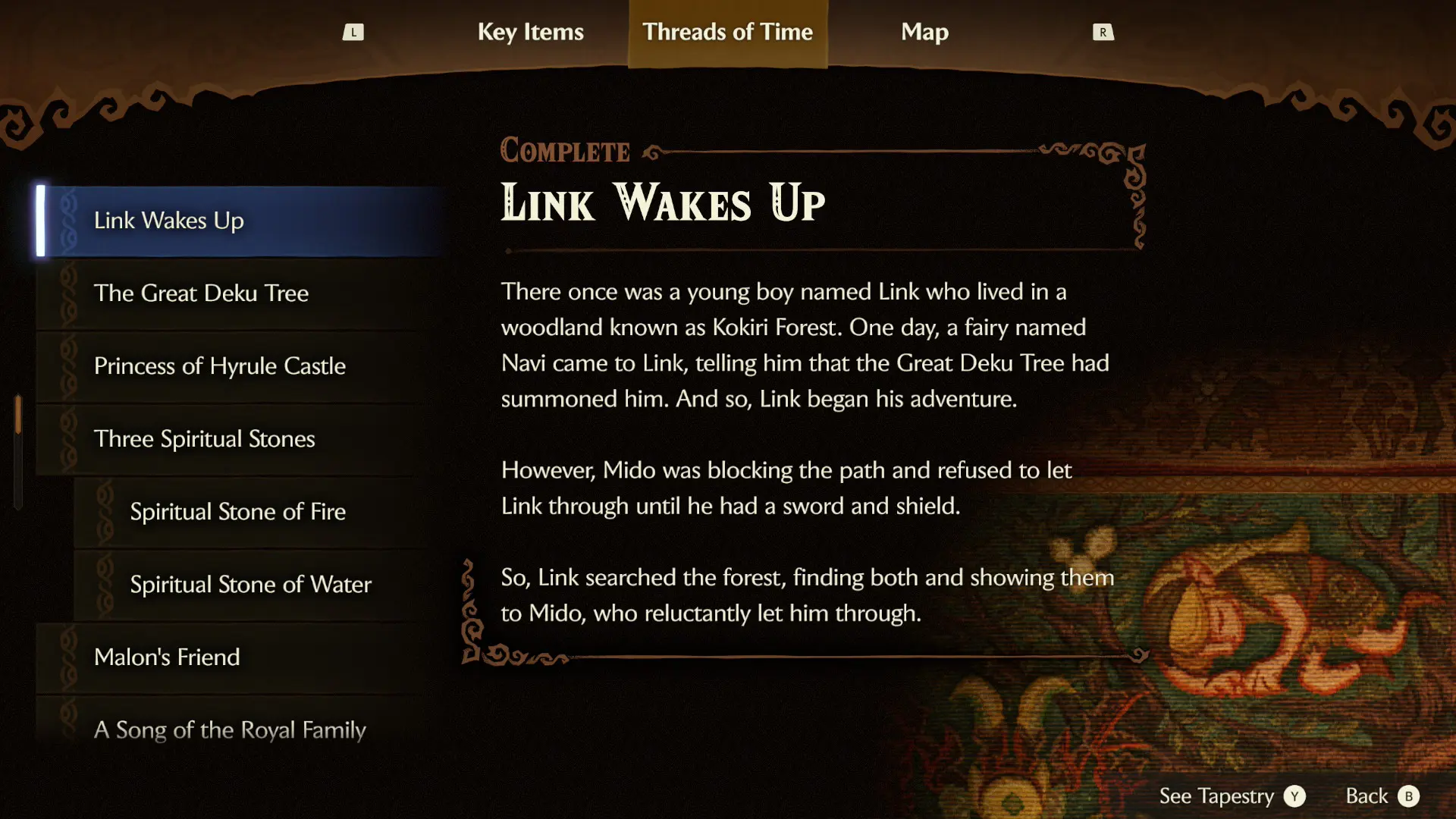
Other quality-of-life improvements include a Breath of the Wild-style scrollable item menu, screens that show which collectables are still available in each area and the addition of both player-controlled jumping and sprinting (a mechanic I am embarrassed to admit I didn’t realise existed until the final dungeon of the game). For players uncertain where to go next, the Threads of Time sub-menu illustrates Link’s journey on a gorgeous tapestry, whilst keeping track of what exactly his objectives are.
So, is there anything that doesn’t work? Honestly… Not really.
Fans coming from the modern duology may suggest that the combat is a touch too simple, while purists might quibble with whether including voice acting is really necessary. But these are inconsequential against the achievement of the game. I hesitate to call anything perfect, but Ocarina of Time is as close as one can get, and I imagine, 28 years from now, we’ll discuss this remake with the same reverence we still give the original today.
In the 28 years since its original release, millions of words have been inked about The Legend of Zelda: Ocarina of Time. The sum of them does little to capture the joy of experiencing or re-experiencing what is, arguably, the greatest game of all time. Buy it. Play. I guarantee, you won’t regret it.
Reviewed on Nintendo Switch 2 | Review copy supplied by Nintendo