
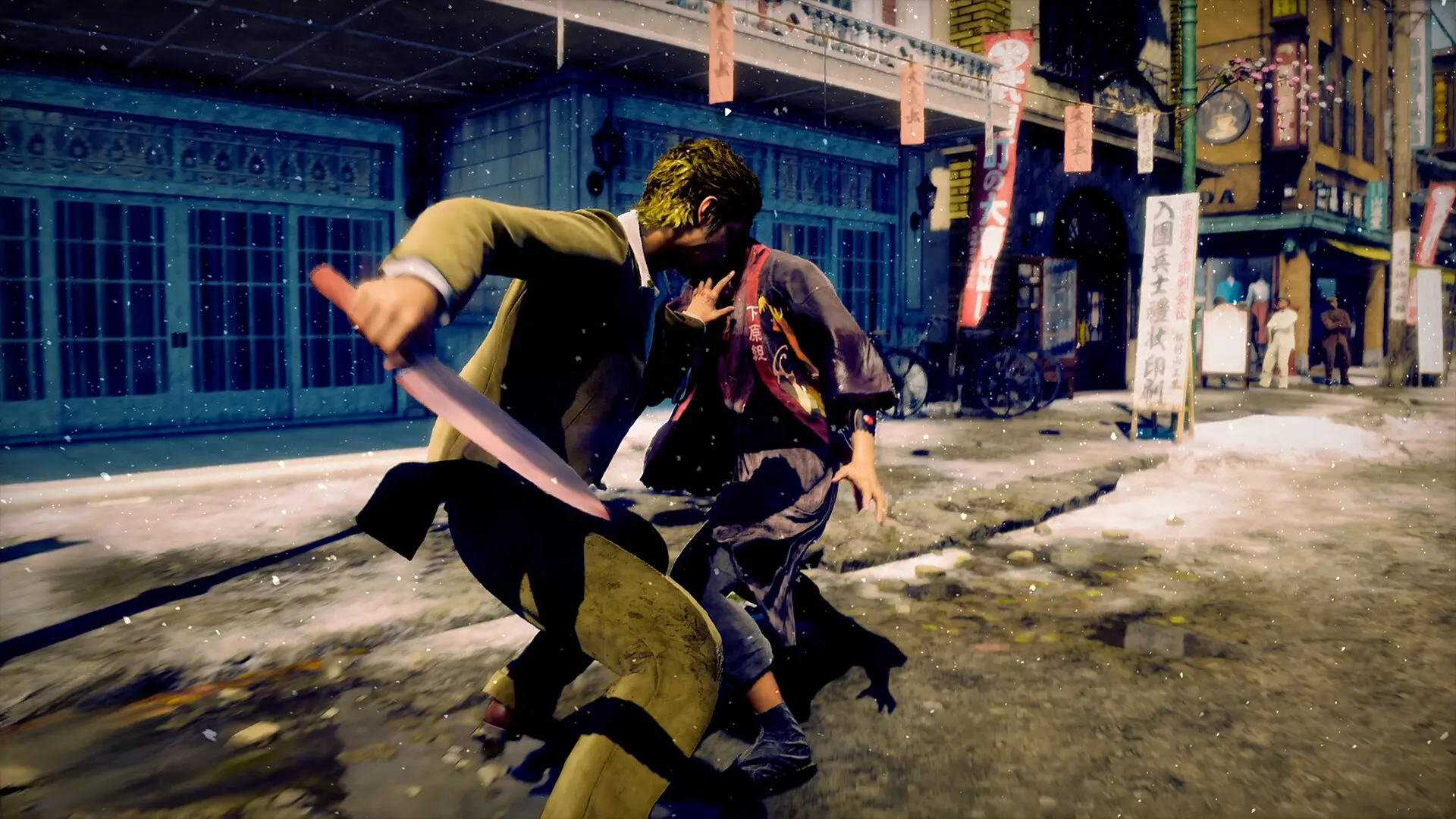
I may never be able to go back to a time before RGG Studio and Snoop Dogg took to the Summer Game Fest 2026 stage to tell the world they’d pirated a copy of the late Tupac. But during this year’s Summer Game Fest Play Days event, I had the opportunity to finally get my hands around Stranger Than Heaven – the studio’s latest game about dudes beating each other up on the streets of Japan – and at least be reminded of the parts of the game that still excite me.
Taking place in a basement dressed up as a Jazz Age bar, complete with a shady crime boss office in the back, SEGA and RGG invited us to try out just a small sampling of Stranger Than Heaven, centered entirely around the game’s brutal melee combat.
Each of the demo’s three segments took place in one of the five distinct time periods and cities that’ll feature in the game – Kokura in 1915, Kure in 1929 and Osaka in 1943. There wasn’t an opportunity to truly explore these spaces, outside of sauntering around a tiny portion of each at my leisure before triggering a single fight that would then progress me through to the next demo slice. These were neatly paced out in terms of difficulty, starting with a basic rumble on the streets of Kokura, moving on to a bigger scuffle with some tougher enemy types, and finally a one-on-one with an especially deadly, boss-style character.
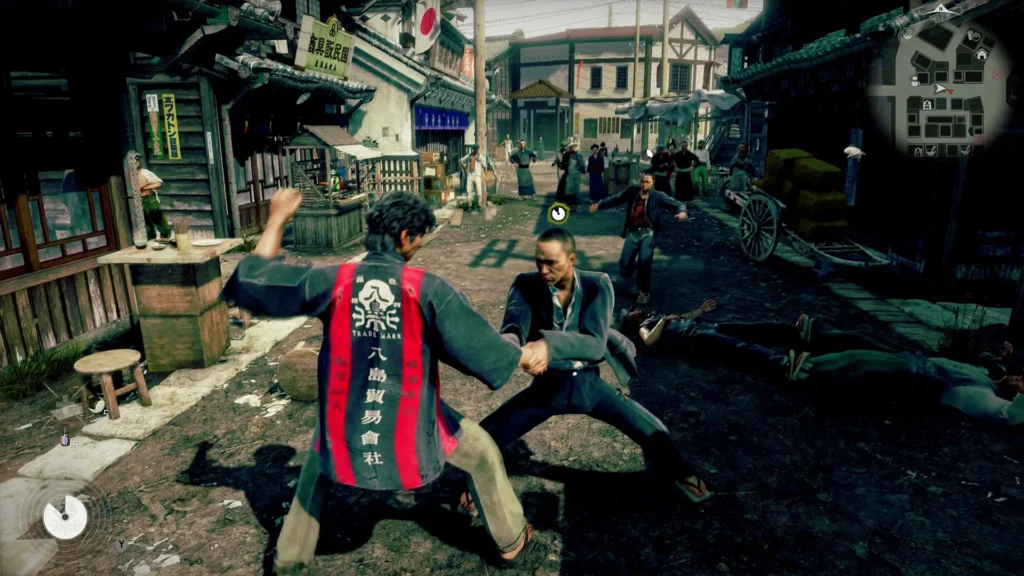
The idea of demoing an RGG open-world crime brawler and only presenting the combat component might seem like an odd choice at first, but in this case it’s actually a smart play, because the fighting system here is quite unlike anything the studio – or really anyone – has done before.
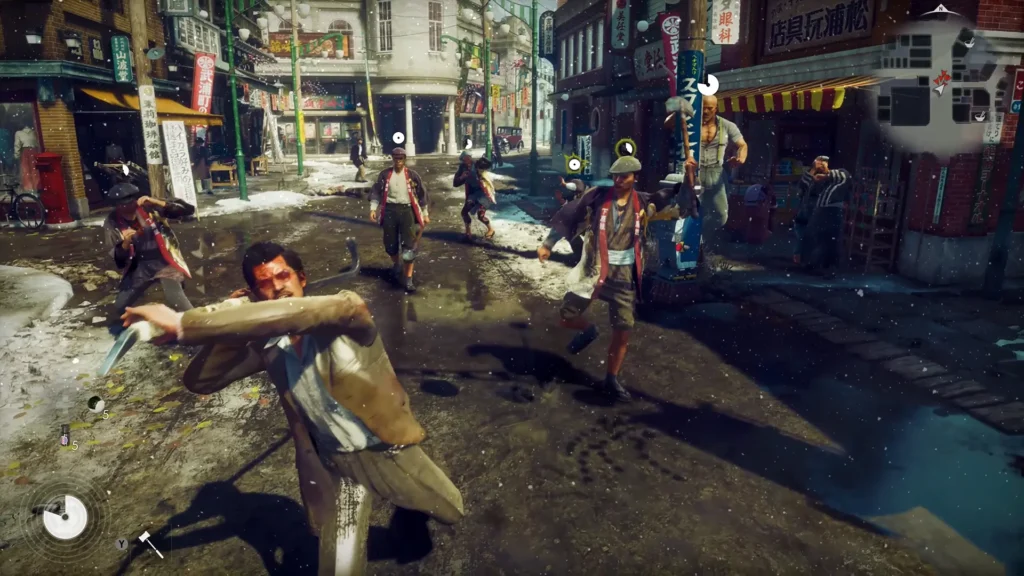
Here’s the crux of it – controlling protagonist Makoto Daito in battle is a matter of independently managing his left and right sides. Your four shoulder buttons allow for light and heavy attacks with either his left or right fists, allowing you to set up fairly intricate combos with just the basics, paying attention to timing and the positioning of your enemies to most effectively lay the smack down. It’s a tricky thing to pick up initially, requiring a lot more situational awareness and reaction speed than I’m used to from an RGG brawler, but once you get to understand the rhythm and tease out the distinct advantages this system gives you it’s as exhilarating as it is brutally punishing.
Any thoughts of “This is it?” as I approached the lone group of barely a handful of goons in the first section quickly dissipated when I realised how easy it is to get your arse handed to you here. This isn’t the button-mashing, Staminan-chugging combat made famous in Kazuma Kiryu’s adventures, but something much more grounded and demanding. It’s quite refreshing, a proper lean into the viscerality and danger of street brawls, and earns itself some pretty cool moments. At one point, an enemy grabbed Makoto from the left side, but because of the split control scheme I was able to try to wail on him with my right fist and escape. Then, one of his buddies comes around from behind me and I manage to land a few hits on him with the free hand before escaping.
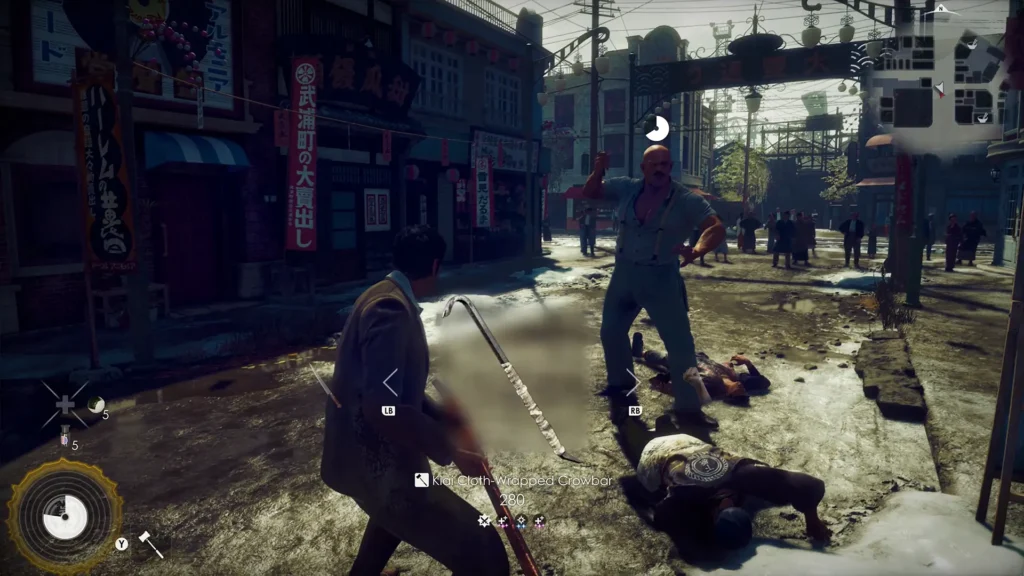
There are weapons, too, with this preview offering a couple choices like a knife or crowbar. I tended to stick with the former for its speed, as the deliberate nature of fights here meant that larger weapons or more powerful attacks can take long enough to execute that it left me far too exposed for my liking. Defence is easily as important as offence though, and while you can hold down the block indefinitely to eat whatever is being thrown at you, a dwindling stamina bar puts important on also managing your position and taking any opportunity you can for a breather. The two-sided controls also factor into blocking, allowing you to pull off very helpful parries should you correctly block an attacking from a specific side, though this short demo didn’t give me enough time to become effective with those.
With all this combined, combat in Stranger than Heaven is best described as relentless. A bout against a single, unique foe in the final section of the demo was my first taste of defeat in the experience, and a proper humbling. This guy was fast, and packed a few different moves that were telegraphed enough for me to learn to react but absolutely devastating if I did let them connect. It turned into a war of attrition by the end, as I studiously blocked or evaded everything being thrown at me while I waited for the very few opportunities where he’d stumble to jump in with my knife and get a few good hits in. The Like a Dragon series has had some spicy boss fights before, but if this is the kind of stuff they’re putting in a teaser demo I shudder to imagine what’s ahead.
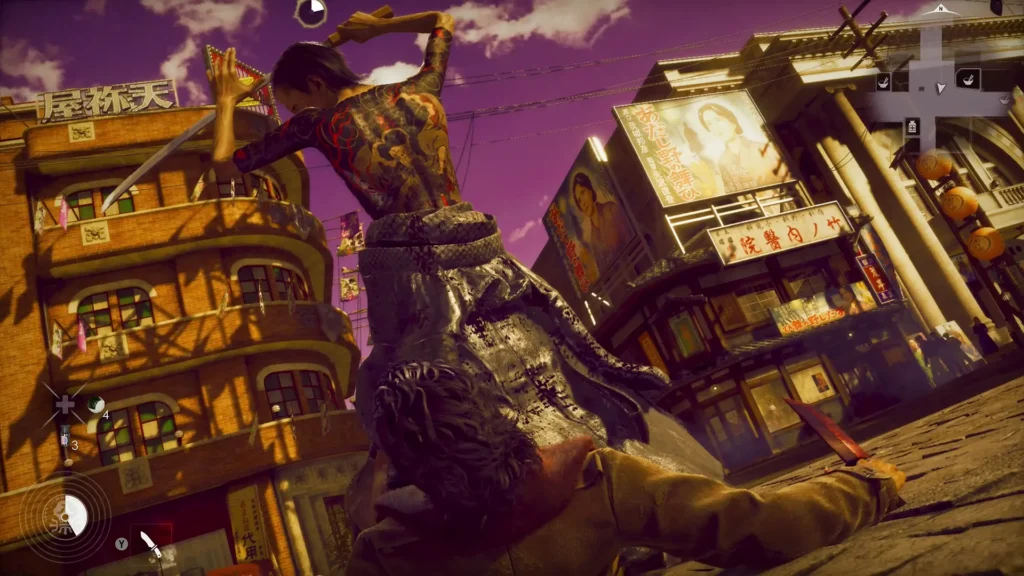
There are still so many questions left that this preview demo doesn’t answer, including, well, just about anything that’s not combat. RGG fans will want to know about the cities themselves, the side activities, the story and its ties to Like a Dragon, all things we’ll have to wait a bit longer to truly understand. For now though, it’s clear that the studio is serious about combat being a major point-of-difference in Stranger than Heaven and I think it’s pretty safe to say it’ll be the most compelling iteration of real-time brawling we’ve seen from these games so far.
Stranger than Heaven launches on January 15 for PS5, Xbox Series X|S and PC.

Born into the world of video games through SEGA, and in particular Sonic the Hedgehog, Kieron’s gaming tastes now consist of the latest, shiny AAA thing, an indie darling or two, and an embarrassing number of hours of Balatro.