
It’s no secret that games are expensive to both make and play nowadays. Development is risky, and many big studios are doing their best to find ways to maximise profits while minimizing risk. One of the most recognisable business strategies by large companies has historically been to market around nostalgia; you can’t go a season without several reboots, remasters or remakes in the works.
Ultimately, there’s a reason for this – it sells. AAA publishers can use their popular IP to make something that consumers are familiar with. Spending years upon years developing a new IP is a huge risk in today’s market, why not slap a new coat of paint on a proven franchise and call it a day instead?
The remake of Silent Hill 2, for example, sold millions more than new IP Cronos: The New Dawn in a similar timeframe, despite both coming from the same studio and occupying the same genre wheelhouse.
Remakes and remasters aren’t going anywhere. Conversely, I think we’re going to see a new form of nostalgia-clad content coming our way in the next few years that will probably accompany more than a few; a form that will be of less risk to develop and cheaper for consumers writ large, all built off the back of an established consumer base that’s already bought in.
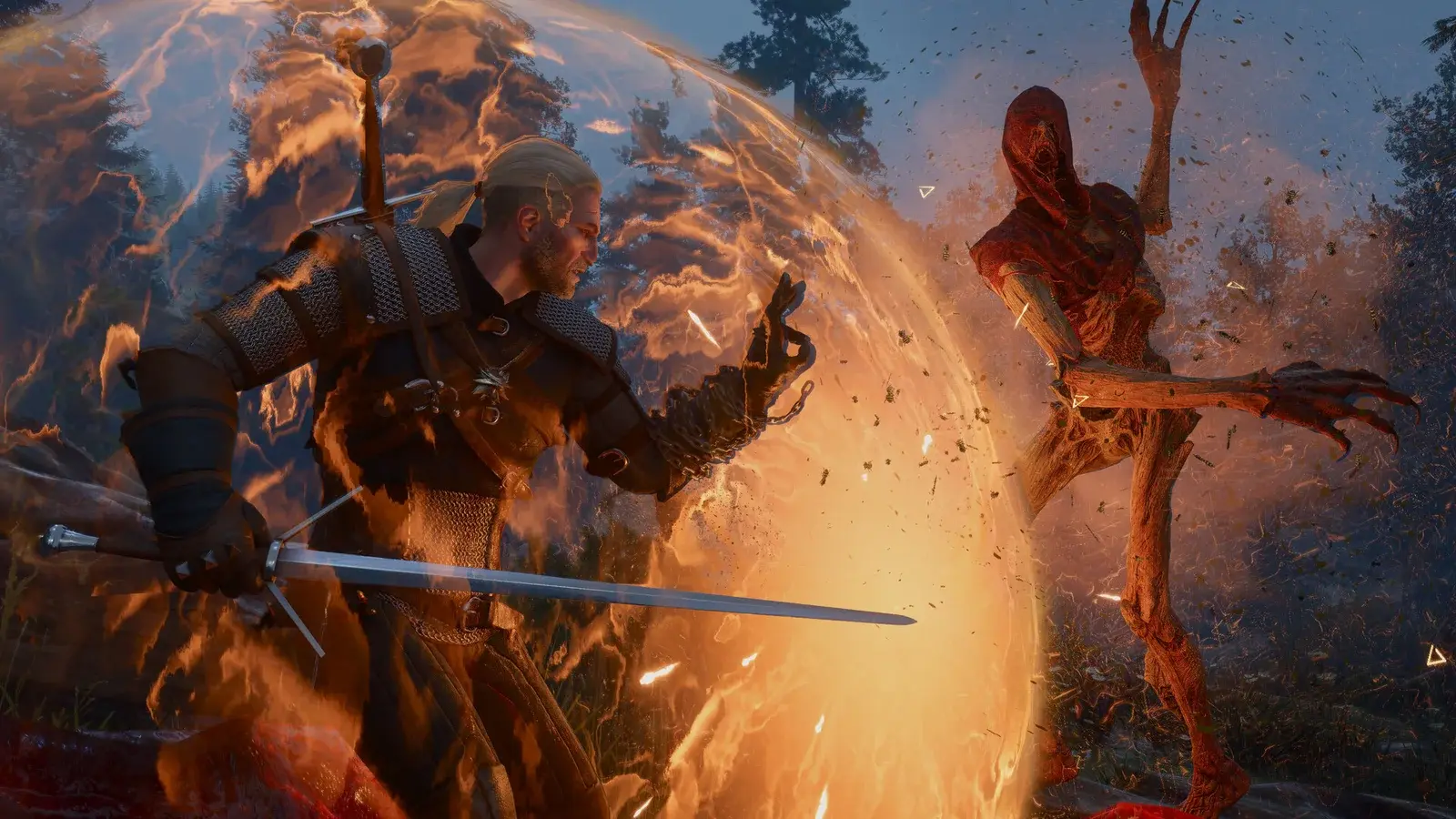
Image: CDPR
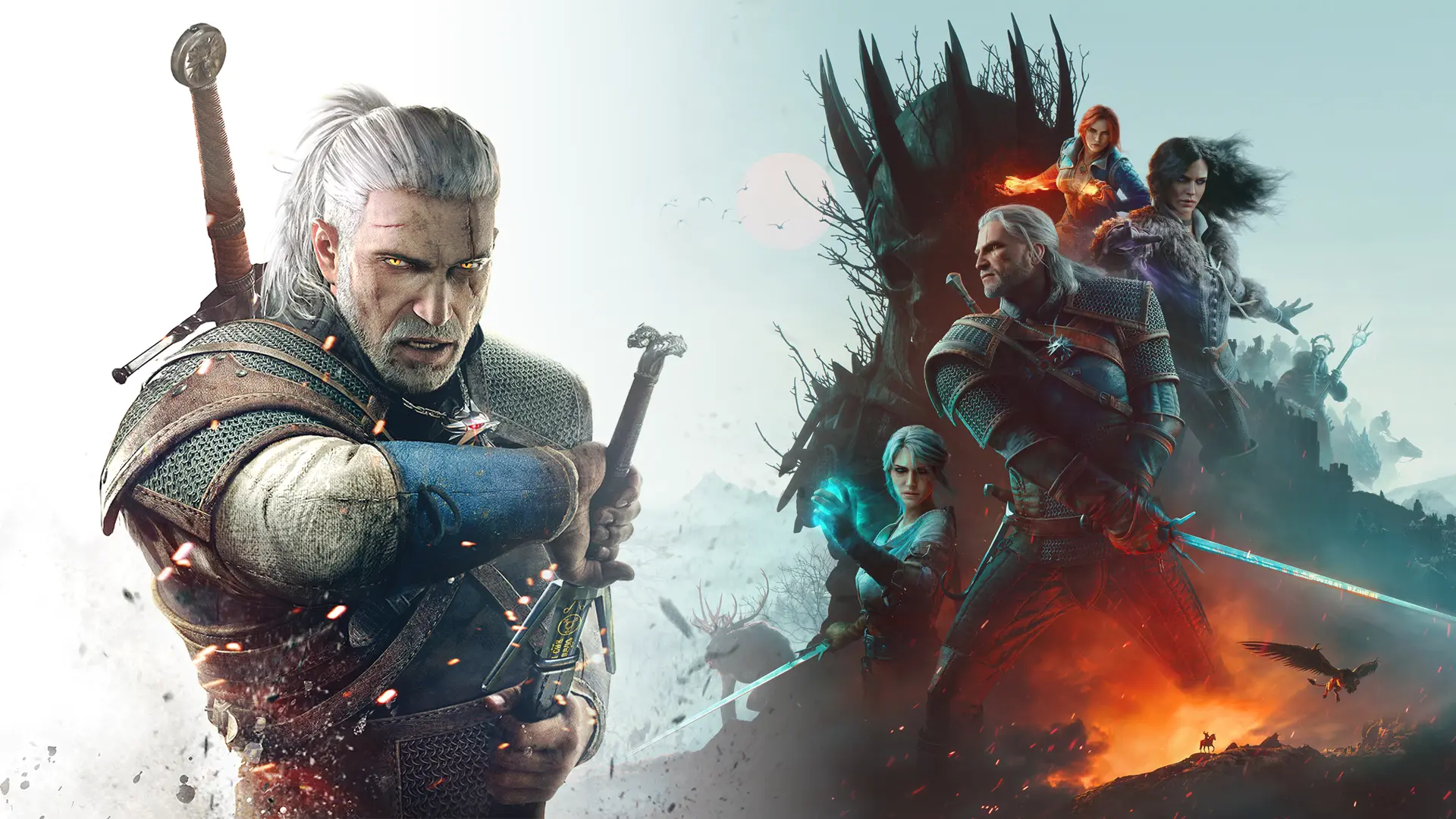
This September, CD Projekt Red released a free update to existing copies of The Witcher 3: Wild Hunt on next gen consoles, essentially remastering the decade-old game. Alongside some visual and performance upgrades, a brand new expansion for the game, Songs of the Past, was revealed and set to release sometime next year. This same month, both Warcraft 3: Reforged (2020) just had its Forsaken Kingdom campaign announced and Age of Empires II: Definitive Edition (2019) released its Vikings Saga expansion
These are just some of the new pieces of content that work to enter their games into the zeitgeist again, bringing in both returning and first time consumers. With The Witcher 4 and World of Warcraft: Forever both revving their marketing engines, DLC expansions like Songs of the Past and the Forsaken Kingdom campaign work as a transitional text; acting as a send off to one story while getting ready for the player for another. This isn’t the first we’ve seen of this in AAA games either; way back in 2019, Gearbox Software did the same thing with Borderland 2’s Commander Lilith and The Fight for Sanctuary, with the DLC being explicitly developed to bridge the stories of Borderlands 2 and Borderlands 3.
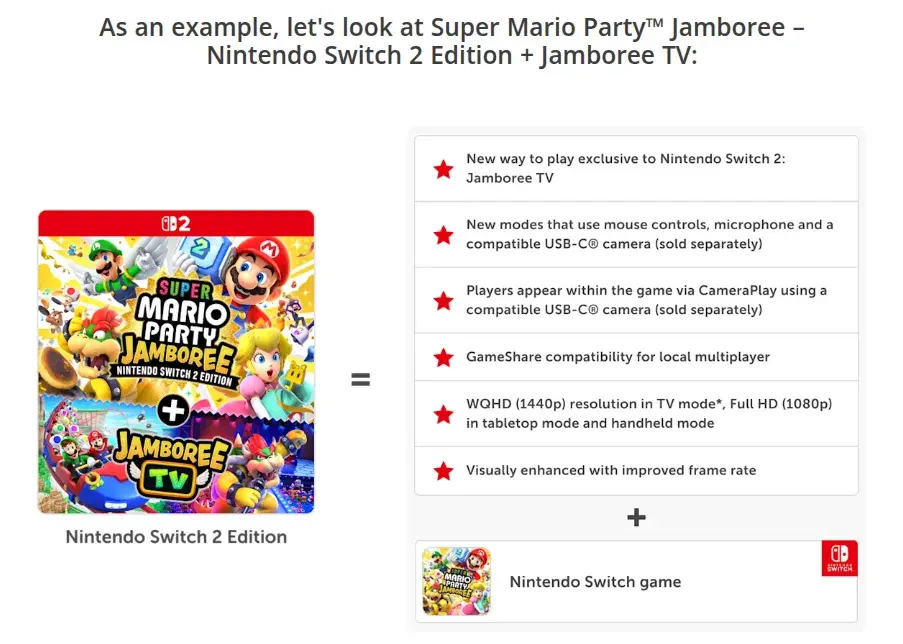
Always happy to be in its own world, Nintendo seems to be leaning into its own form of post-launch content already in their “Nintendo Switch 2 Editions” and $20-30 Upgrade Packs. While some of these upgrades add little beyond performance and quality improvements like HDR support and higher resolutions, there are also more substantial Switch 2 Editions that add entirely new campaign content and other features native to the newer console (Super Mario Wonder, Kirby and the Forgotten Land and Pikmin 4 as examples).
In my most optimistic opinion, this new strategic model could be a benefit to publishers, developers, and consumers alike. Publishers won’t have to foot the bill for a large scale title over the course of years, banking on an unsure product. This could, in turn, give developers something small scope to work on and subsidise their next big project. It may also potentially allow for junior staff to be trained up (similar to how Naughty Dog developed the Last of Us Part II Remastered), and consumers can enjoy more of the games they love at a smaller price point.
Editor’s Note: I’d also argue that a big reason why we’re seeing this specific strategy more recently, is the increasing homogeny and longevity of game engine technology, where something that worked two generational cycles ago still works now. A decade-old game in the 90s, 00s or even 10s would need a lot more than a resolution bump and some gameplay tweaks to feel “current” in the way that The Witcher 3 does.
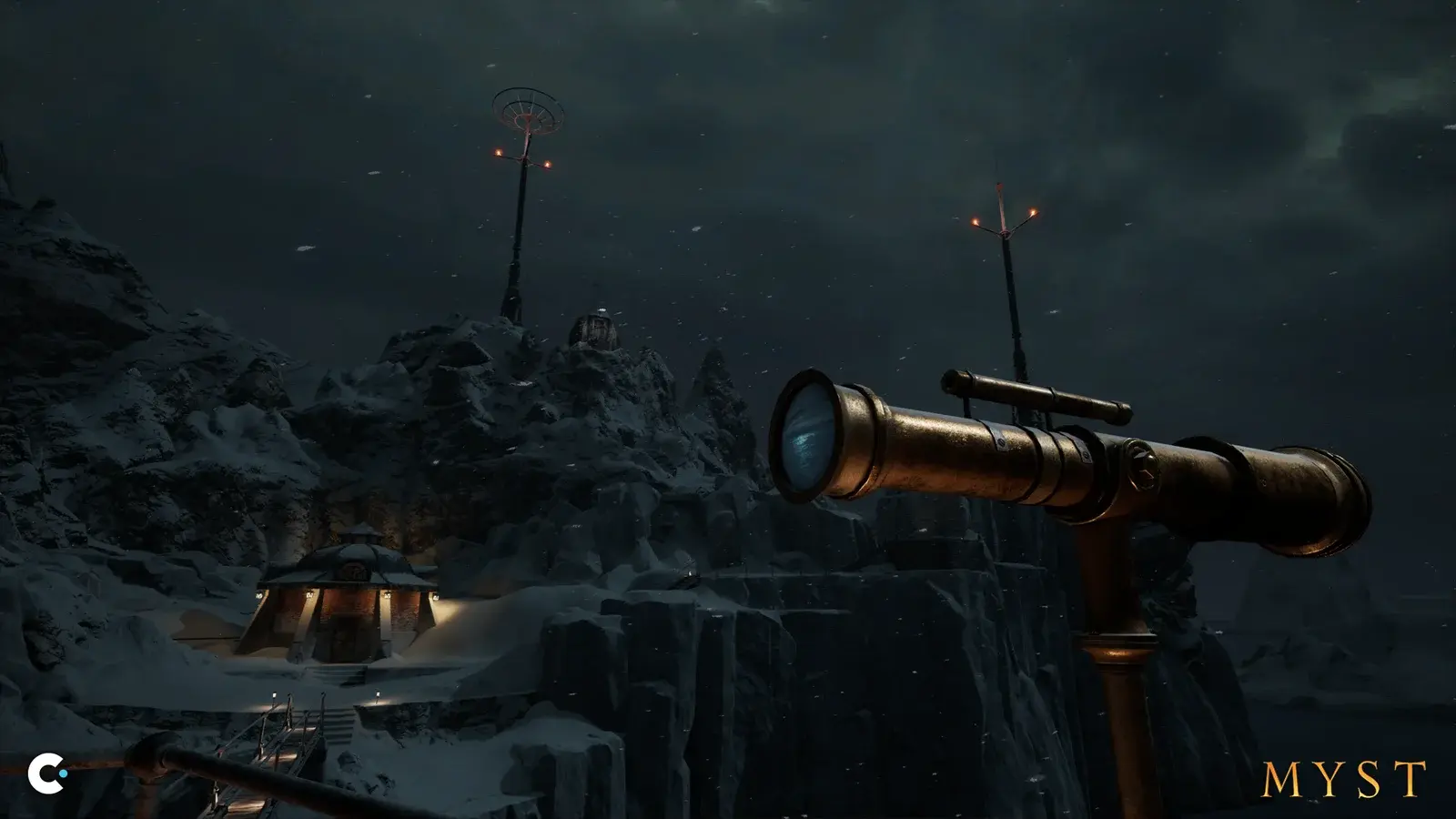
Not all new content has to be paid, either. Cyan Worlds (Myst, Riven) brought out their free ‘Age of Rime’ update for the 2021 Myst remake; and two years before half of their staff had been laid off, Bethesda and id Software had reinvigorated Quake and DOOM 1+2 with free updates and ‘official’ map packs during the last few years.
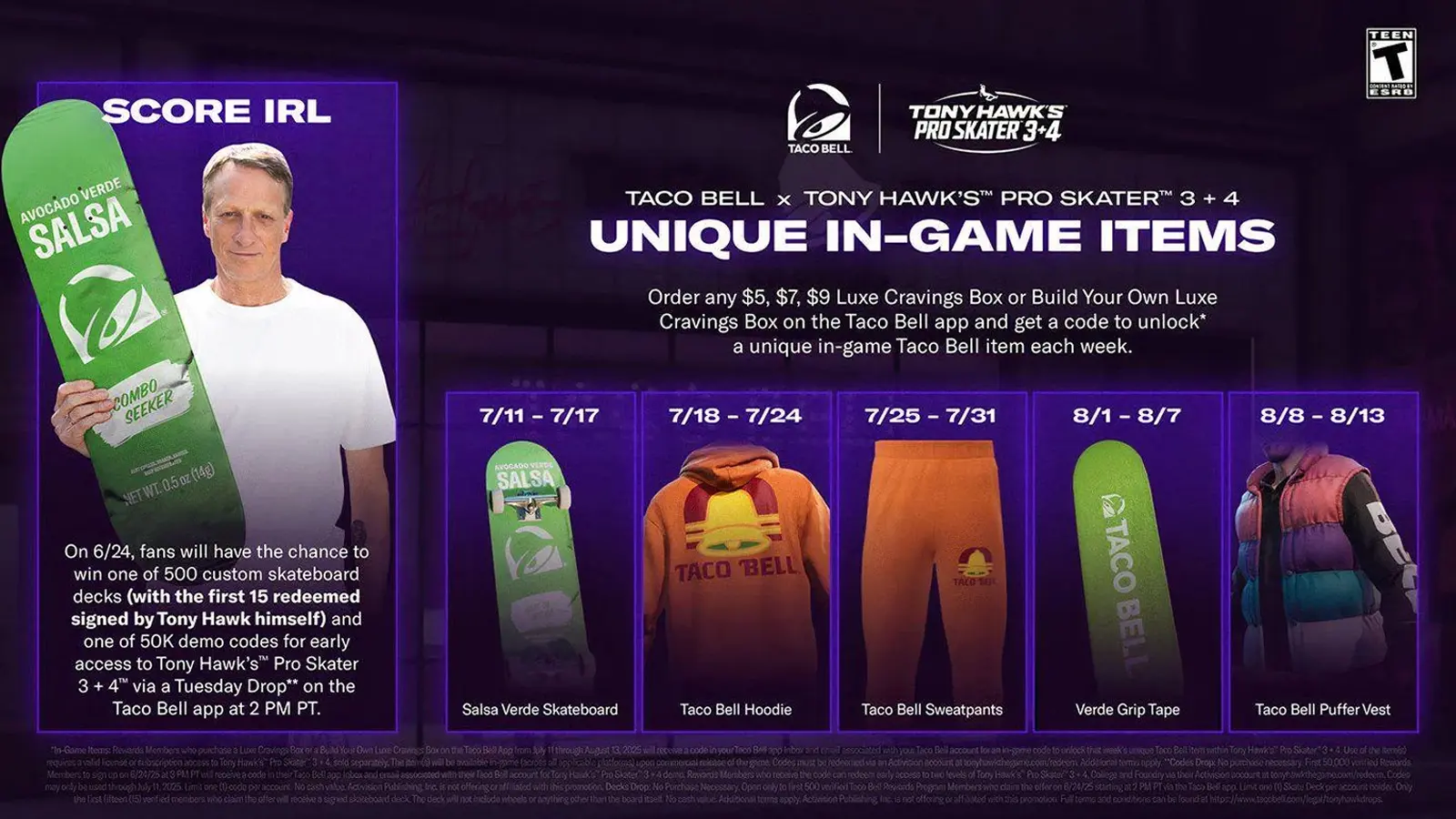
In a more recent and cynical instance, Bethesda has teamed up with IKEA to get Kallax Storageborn added as an official creator mod in The Elder Scrolls V: Skyrim; a mod in which you play as a piece of IKEA furniture voiced by Matt Berry. This is, unfortunately, an example of a side effect this content is likely to bring consumers; advertising pushed onto old games that aren’t critically relevant anymore. This could theoretically look like an Edgerunners Season 2 tie-in DLC for Cyberpunk 2077 later this month, or literally look like a Taco Bell partnership with the newest Tony Hawk game (This was only a few months after the initial release but my point stands).
The Witcher 3: Wild Hunt is now 11 years old and has sold over 65 million copies over both older and more recent generation consoles. The latest free update has seen record numbers flock to the game, and if Songs of the Past launches with a similar price point to The Witcher 3’s last expansion, Blood and Wine, at $30 AUD, it’s not hard to see why players might be looking at snapping that up rather than a full $110 release.
With the tear that Capcom has been on recently, the statement that they intend on “re-activating” older IPs that have been collecting dust for a while bodes well. Naughty Dog have said they have two projects underway that will “expand the canon of The Last of Us beyond Part I and Part II and we’re also 2 years off Red Dead Redemption 2’s 10th anniversary (hint hint, Rockstar). If 60% of consumers are buying 2 games (or fewer) a year, and with hardware prices continuing to price folks out of newer technology, companies are going to have to appeal to consumers with a more accessible product.
Because of this, I believe that what we’re likely to see over the coming years in games isn’t just old IP being resurrected as it happens now, but literal old games being dusted off and repurposed with new content and modernisations, ready for an increasingly-frugal and nostalgic audience.
Like our content on covergeek? Hate dodgy AI summaries? Click here to add us as a Preferred Source on Google and see our posts more often!
