

Welcome to the first of a new series here at covergeek that we’re calling Indies in Review, where we attempt to cover as many indie video games as possible by reviewing them in just a few paragraphs, and putting them all in one place.
We hope you find this useful, and you can always get in touch with us by emailing hello@covergeek.com with any feedback you might have. Devs and agencies, too – let us know if you’ve got something special you think is worth us looking at!
The month of September has seen a ton of exciting indie releases, many of which we’d be keenly looking forward to, and thankfully most of which turned out to be rather good. You’ve got the cozy, wood-carved whimsy of Woodo, the black-and-white charm of photography adventure sequel, Toem 2, the un-leashed chaos of Doggy Don’t Care and even a couple of console debuts for beloved indies that already made the rounds on PC.
REVIEW // Woodo
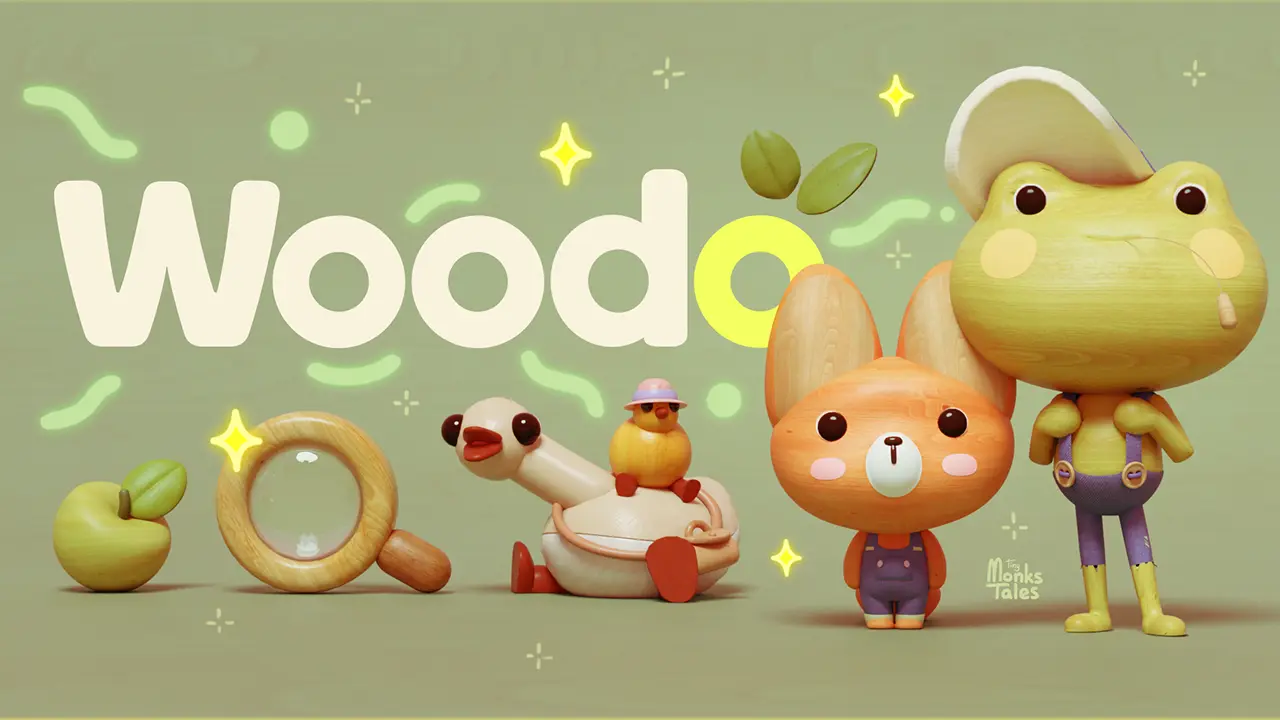
I try not to throw the word “cosy” around too much when it comes to talking about video games, especially the contemplative, meditative indie kind, but some titles just can’t be described any other way. Take Woodo, an incredibly gentle, relaxed experience that asks nothing of the player but to fill out its wood-carved dioramas one block at a time over the course of a 5-ish hour narrative about a tech-loving girl’s country summer.
Aside from a few twists as things progress, most levels in Woodo see you grab floating wooden objects and find their correct place in a monochrome scene, slowly filling it all out with colour while Foxy narrates her story. It’s simple, but immensely zen and consistently beautiful to behold, even if piloting the 3D camera with a controller can feel cumbersome, and even though some levels outstay their welcome with tiny block after tiny block making progress feel slow.
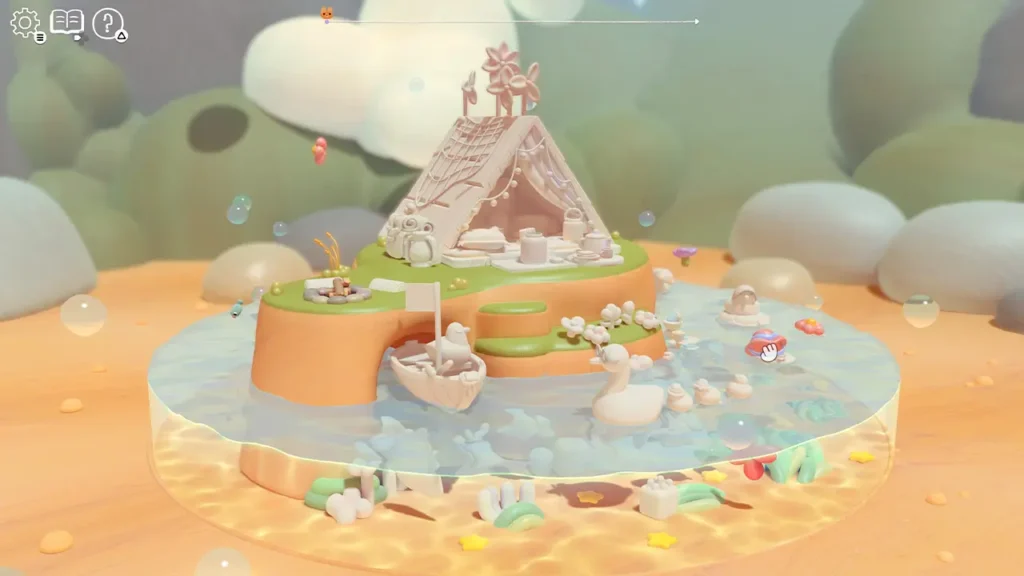
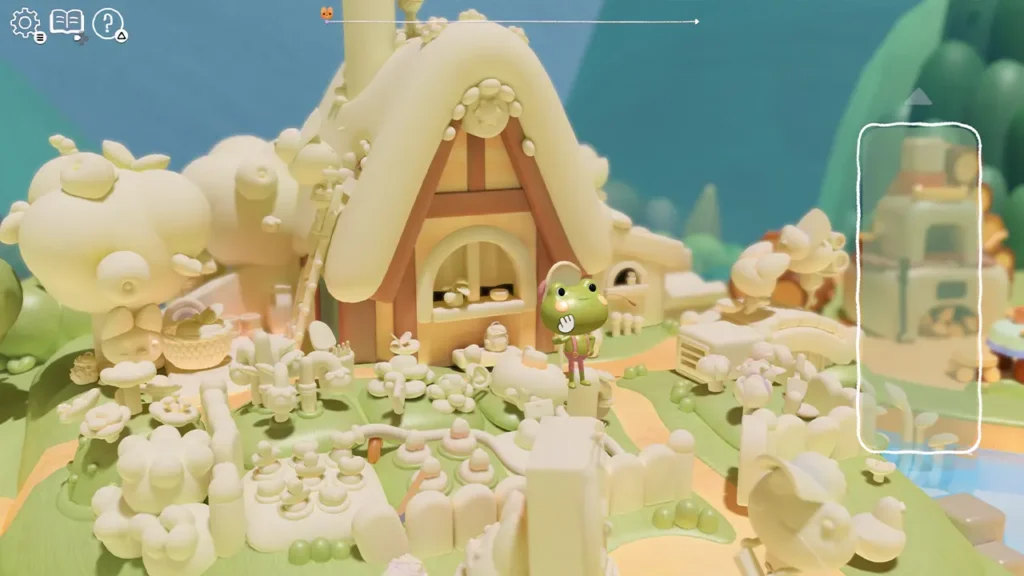
What struck me the most about Woodo is how much it feels like an interactive storybook, but doesn’t come across as strictly childish or pandering, it’s something I enjoyed just as much as a 30-something-year-old gamer as I would imagine a very young player would. That’s not an easy thing to achieve, but the folks at Tiny Monks Tales have done just that. There are hidden collectibles and other bits to enjoy once you’ve seen the bittersweet ending through, as well, so don’t write this one off as something for one age group or another – it’s truly special.
Reviewed on PS5 | Review copy supplied by publisher
Great
- Delightful, wood-look dioramas bursting with charm
- Can be incredibly cosy and meditative to play
- A softly-told story that all ages can take something from
- Seriously, it’s just so beautiful
Not Great
- Not the best game to play on a controller
- Some stages can feel tedious


REVIEW // TOEM 2
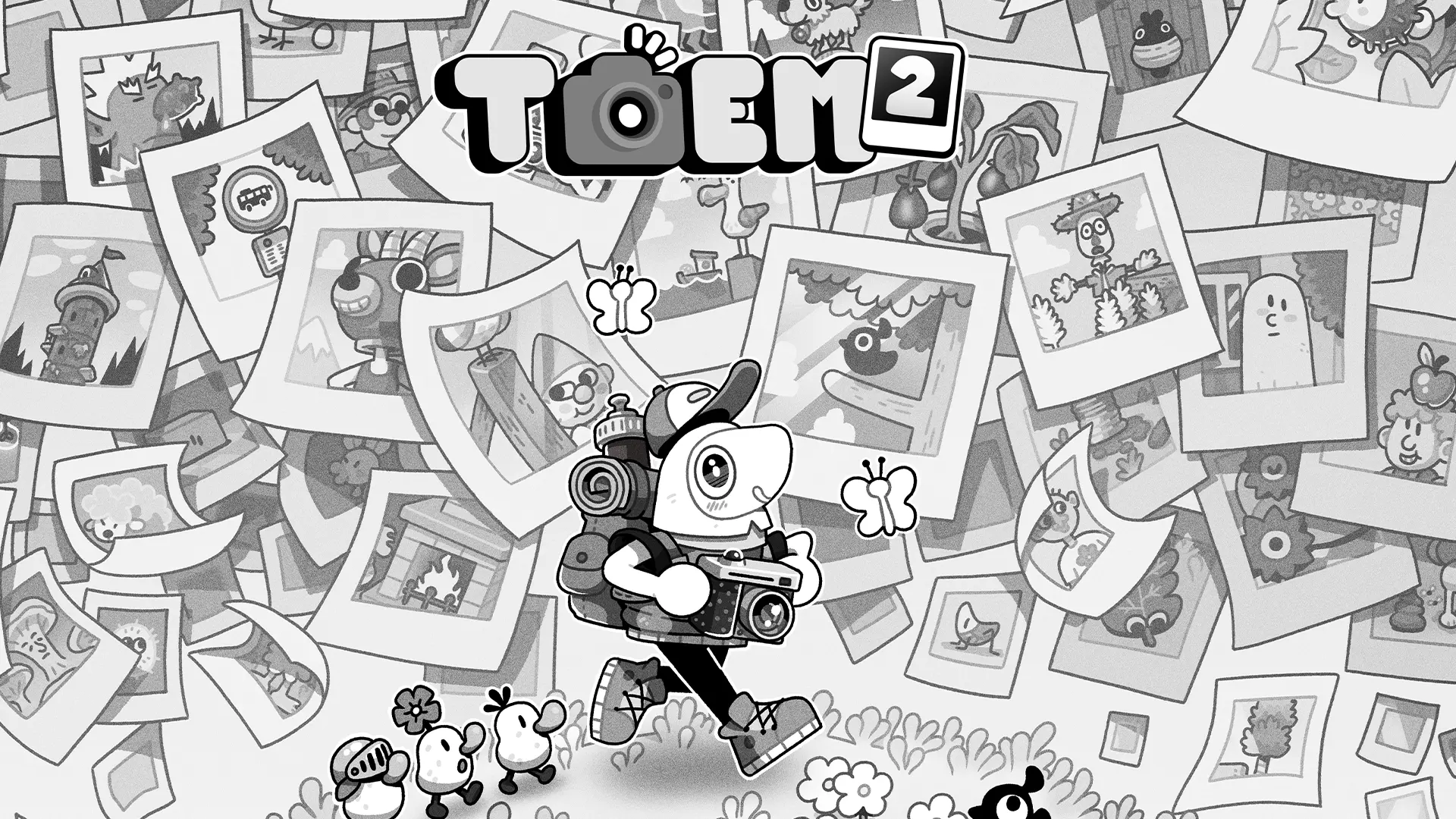
The original TOEM was a delight. A five-ish hour jaunt through a quaint, black-and-white world where you solved adventure game puzzles through the lens of a trusty camera, one that allowed you to break out of an overhead third-person POV to peek at your surrounds in first-person.
TOEM 2 still does all of that, so similarly in fact that the two games aren’t all that distinguishable at a glance. Rather than reinvent the wheel (or lens?), this sequel five years in the making serves to simply offer more of what its predecessor so charming. There are some important improvements, like a handy mini-map, and the ability to jump or climb – which adds a lot more depth to exploration. It’s a step up visually as well, keeping the same aesthetic but enriching it with better, sharper art across the board.
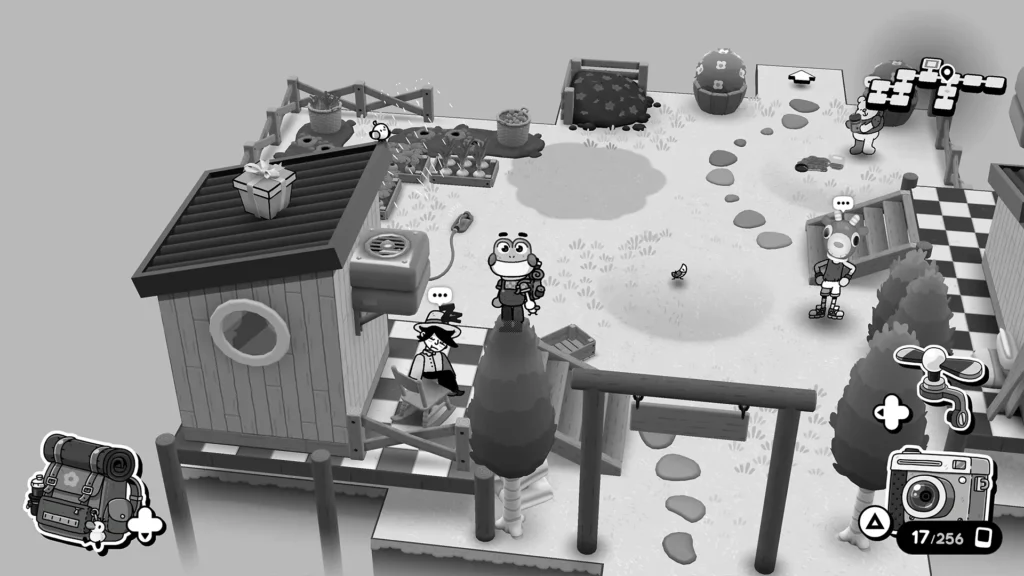
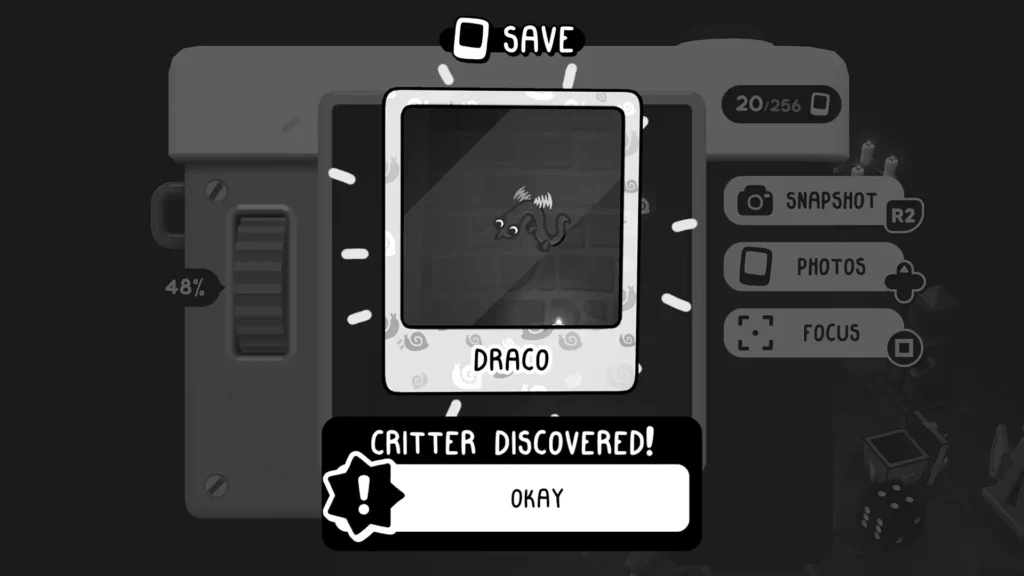
TOEM 2 also adds a new flavour of interaction, where you’re given a unique tool in each new town that allows you to manipulate objects while in the camera view. First it’s a pair of shears to cut through plants or ropes, then a hammer to smash pots or embed nails, then a handy-dandy screwdriver. These aren’t groundbreaking additions but they go a long way to getting you more engaged in the camera view, which in turn helps encourage better appreciation of the richer environments.
As a sequel then, TOEM 2 does just enough to feel “new” while maintaining what made the first game such a lovely little photography outing. It might not be essential playing if you’ve already gotten the most of our the original TOEM, but it’s been long enough now between entries that I was glad to have another shot.
Reviewed on PS5 | Review copy supplied by publisher
Great
- Still the same lovely, breezy core concept
- New abilities and visual depth make photography even better
- Better navigation lends to improved puzzles and exploration
- Some neat unlockable costumes based on other great indies!
Not Great
- Threatens to feel too familiar, even after a five-year break
REVIEW // TCG Card Shop Simulator
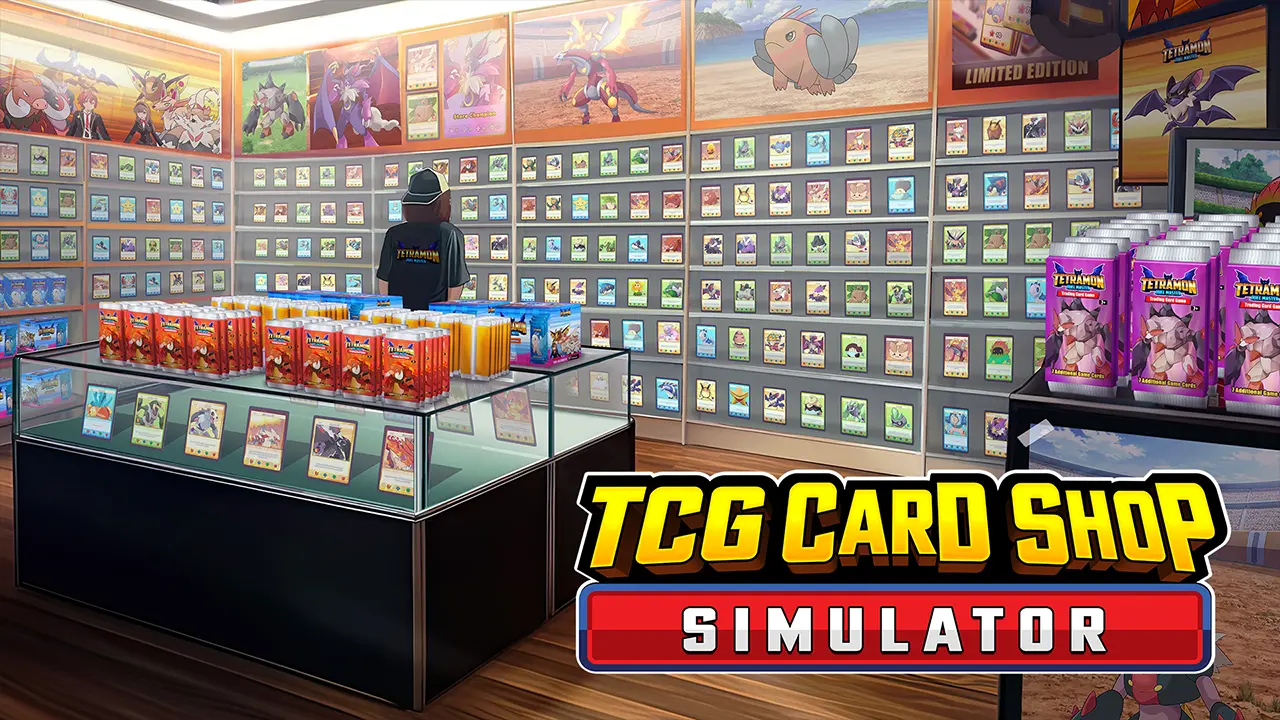
I’ve played many a shop simulator in my time. I’ve run shops for adventurers, run a shop as an adventurer, I’ve run bookshops and custom PC stores, but I don’t think I’ve ever consumed as much of my own merchandise as I have in TCG Card Shop Simulator. This unassuming little game that, admittedly looks like a run-of-the-mill Steam asset flip situation at a cursory glance, is hiding so much great attention to detail and gets so much right about the simple joys of ripping card packs that I very quickly lost dozens upon dozens of hours to it on my PS5.
There isn’t too much that’s surprising about TCGCSS (sure) as a management sim. You’ll fit your store with fixtures, hire staff, set prices according to the market, keep everything stocked and continue to expand as you build up a healthy daily profit. But the trading card aspect adds a hugely-intoxicating hook to the whole thing. Much of your income will come not just from selling booster packs but also opening them yourself, to the point where the late game will more than likely see you dumping hundreds of packs into automatic opening machines every day in order to find valuable cardboard to flip. Customers will also try to sell or trade cards, and you can send your stock away to be graded, all in the name of slapping exorbitant sticker prices on them in your shop.
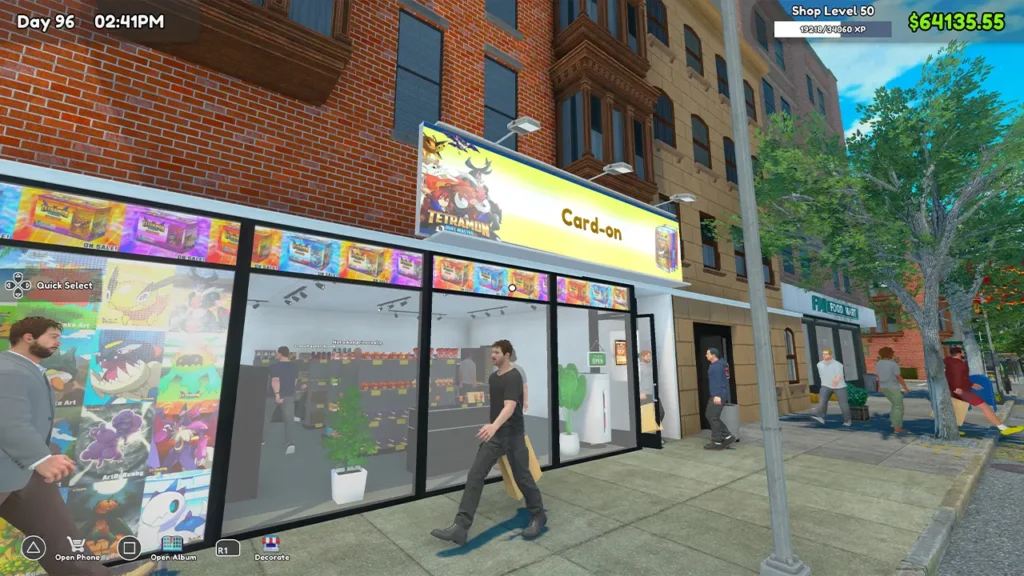
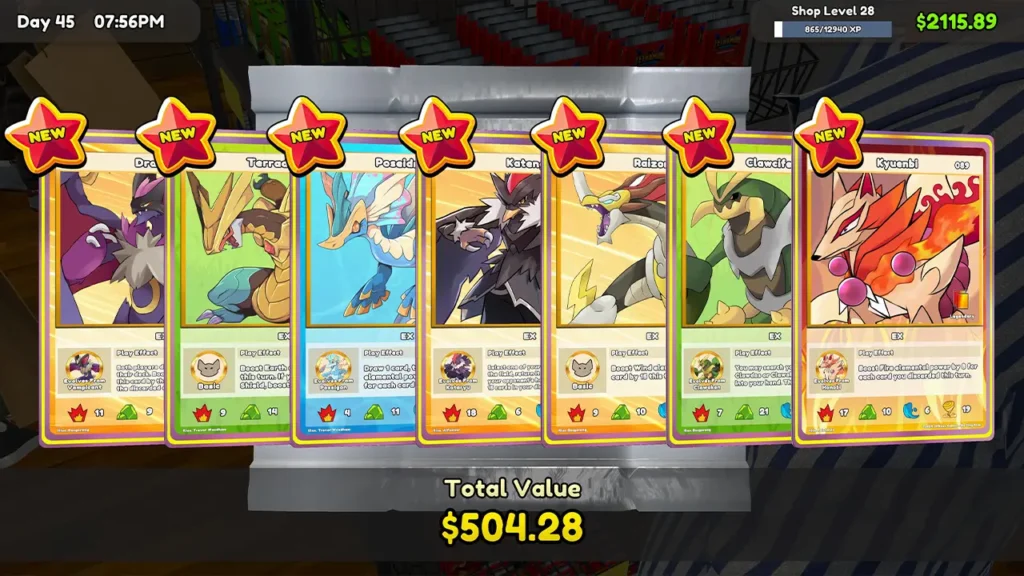
The actual play of the game’s fictional TCG, Tetramon, is also hugely important. Your customers enjoy participating in tournaments provided you offer a space and tables to play, and you can even offer up prizes for a higher buy-in. Better yet, Tetramon is fully playable as of the 1.0 release, and it’s genuinely a fun pick-up-and-play tabletop card game in its own right. The amount of care put into the card designs, and pretty much all the merch and other inventory in the store is very much appreciated in the face of its otherwises default Unreal Engine look. I’m especially fond of the ability to play using local currency, so I can deal in the same Australian notes and coins I’ve handled throughout years of working retail.
My time with TCG Card Shop Sim has not been without some grievances, though. For one, a lot of the menus are painful to navigate with a controller, so playing on PS5 has been more cumbersome than I’d like in certain situations – especially deck-building and store decorating. The game’s big 1.0 update has also introduced a number of new problems with visual glitches, weird lighting and gameplay bugs that weren’t present either in the Early Access PC version or even the pre-release PS5 build. These are all things that can be smoothed out over time, and OPNeon is largely a solo developer so a small amount of grace seems appropriate, but I do hope to see the game operating at its best soon.
Reviewed on PS5 | Review copy supplied by publisher
Great
- Surprisingly addictive shop management loop
- Lots of details that feel authentic to retail work
- Finally, a digital TCG where ripping packs doesn’t cost real money
- Tetramon is genuinely fun to play
Not Great
- 1.0 update has introduced new issues
- Some interfaces are woeful on a controller

Watch this space for more!
Like our content on covergeek? Hate dodgy AI summaries? Click here to add us as a Preferred Source on Google and see our posts more often!

Born into the world of video games through SEGA, and in particular Sonic the Hedgehog, Kieron’s gaming tastes now consist of the latest, shiny AAA thing, an indie darling or two, and an embarrassing number of hours of Balatro.