
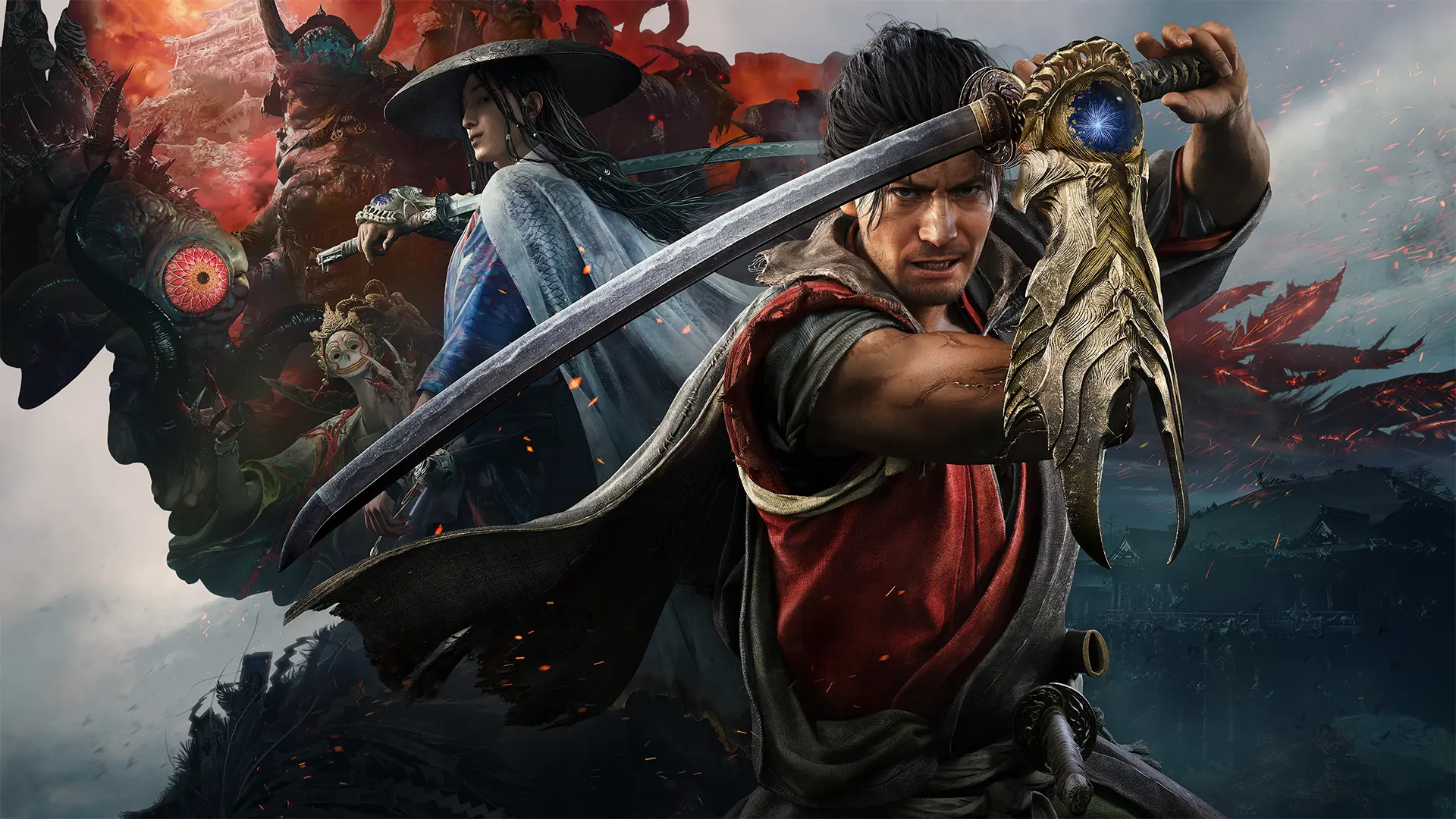
“For those born as samurai, there is no path but that of a sword. A steep path, crowded with warriors who think they stand at its peak, peerless. The only way forward… is through them.”
I don’t think there’s a better way that Onimusha: Way of the Sword self-describes than in this line, uttered early on by protagonist, Miyamoto Musashi.
Plunged into a leading role he didn’t ask for, one half of a rivalry who’ve both been granted magical gauntlets with the power to aid or obstruct an invading force of demonic Genma, Musashi’s singular interest in swordmanship sees him rise to the apocalyptic occasion. Resurrected from the dead and now augmented by the gauntlet-dwelling spirit of an Oni named Shizuka, our hero fights his aversion to flexing a strength that isn’t his own at the same rate he endears to those on-side in the effort to push back the Genma and spare Kyoto. But through it all, for both Musashi and the player enacting this 20+ hour adventure on his behalf, nothing is more important that the reflection of your opponents’ eyes in the steel of your blade, frozen for a split second in their acceptance of defeat.
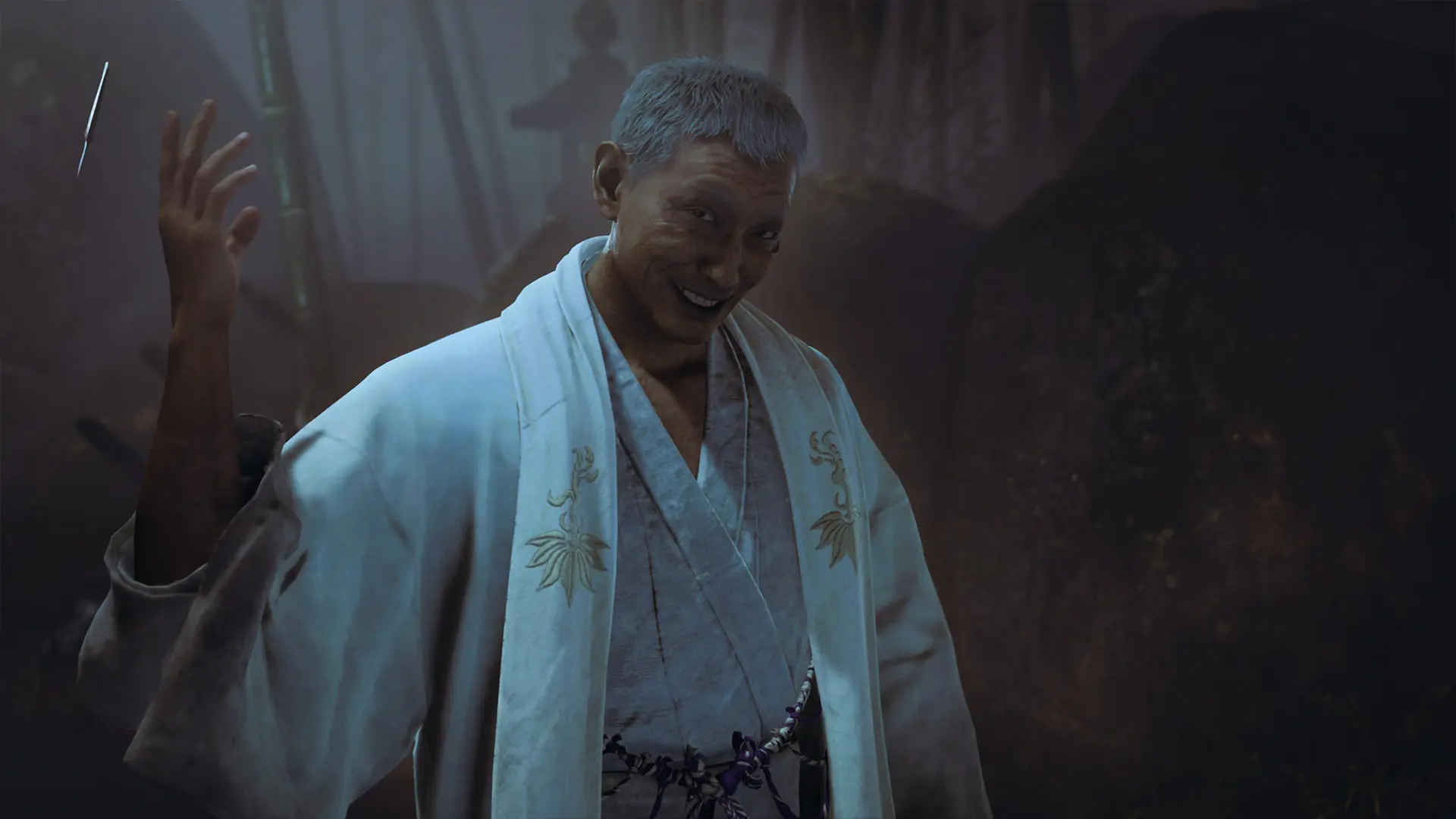
There’s quite a bit of classic Onimusha in this reboot of Capcom’s venerable PS2 action-adventure quadrilogy, but there’s absolutely no need for familiarity. Way of the Sword borrows plenty of ideas, characters and motifs along with recognisable mechanics like performing Break Issen attacks or hoovering up spilled souls mid-fight, but it’s simultaneously a complete reinvention of the series.
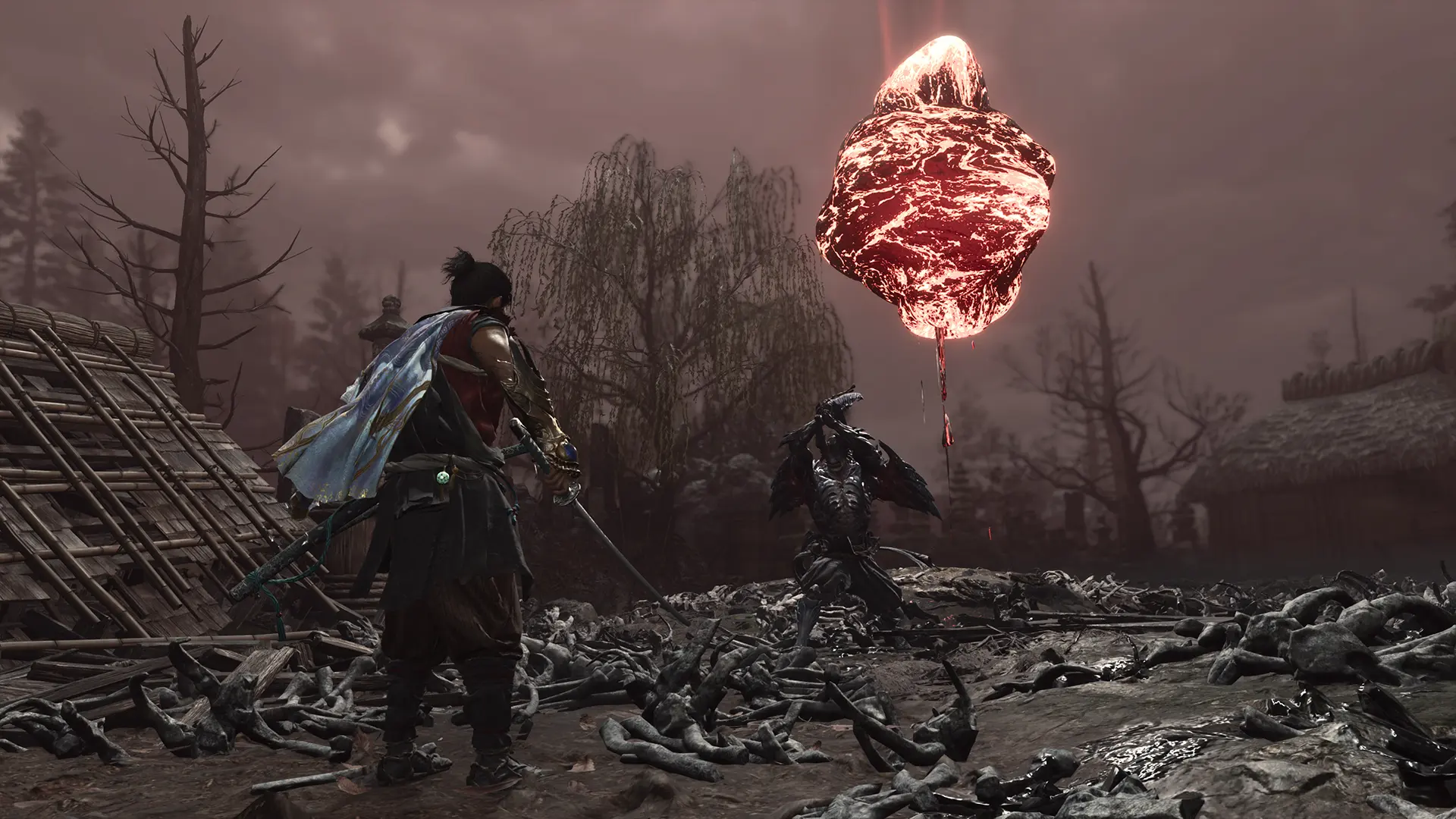
Where Way of the Sword’s modernised combat finds its elegance and thrill is in how Musashi, as an extension of the player, reacts and works around enemy assaults. The potential options of blocking, parrying, dodging and – if you’re feeling brave – deflecting attacks seems standard at first, but Capcom does well to fill in the air between all of these as well. While the rhythm of parrying enough blows to put yourself in a powered-up state, switching to expertly-timed deflects to decimate a foe’s stamina bar, and then landing a devastating finisher is intoxicating and damned-near essential against bosses, the offensive route can be equally fruitful.
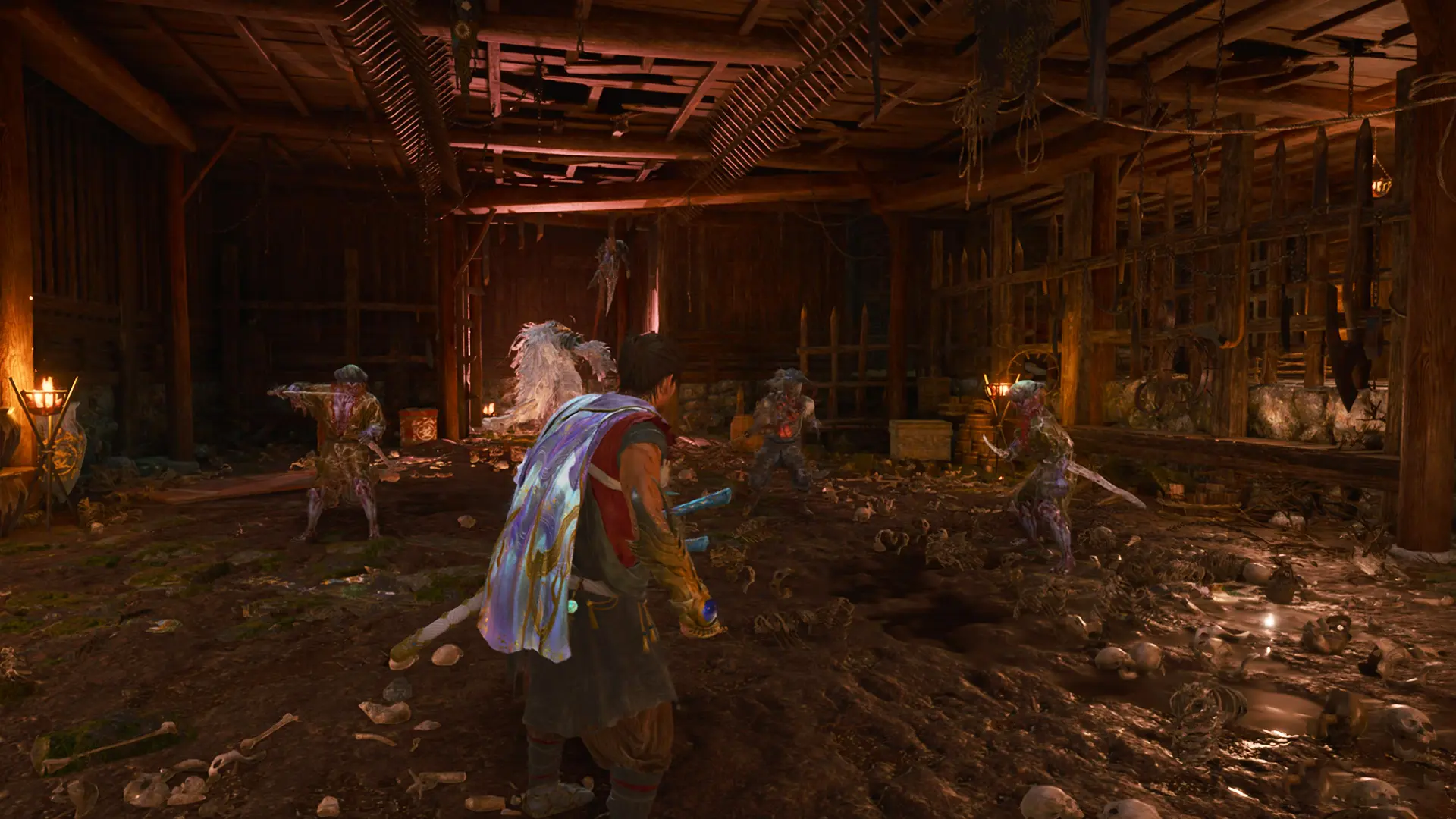
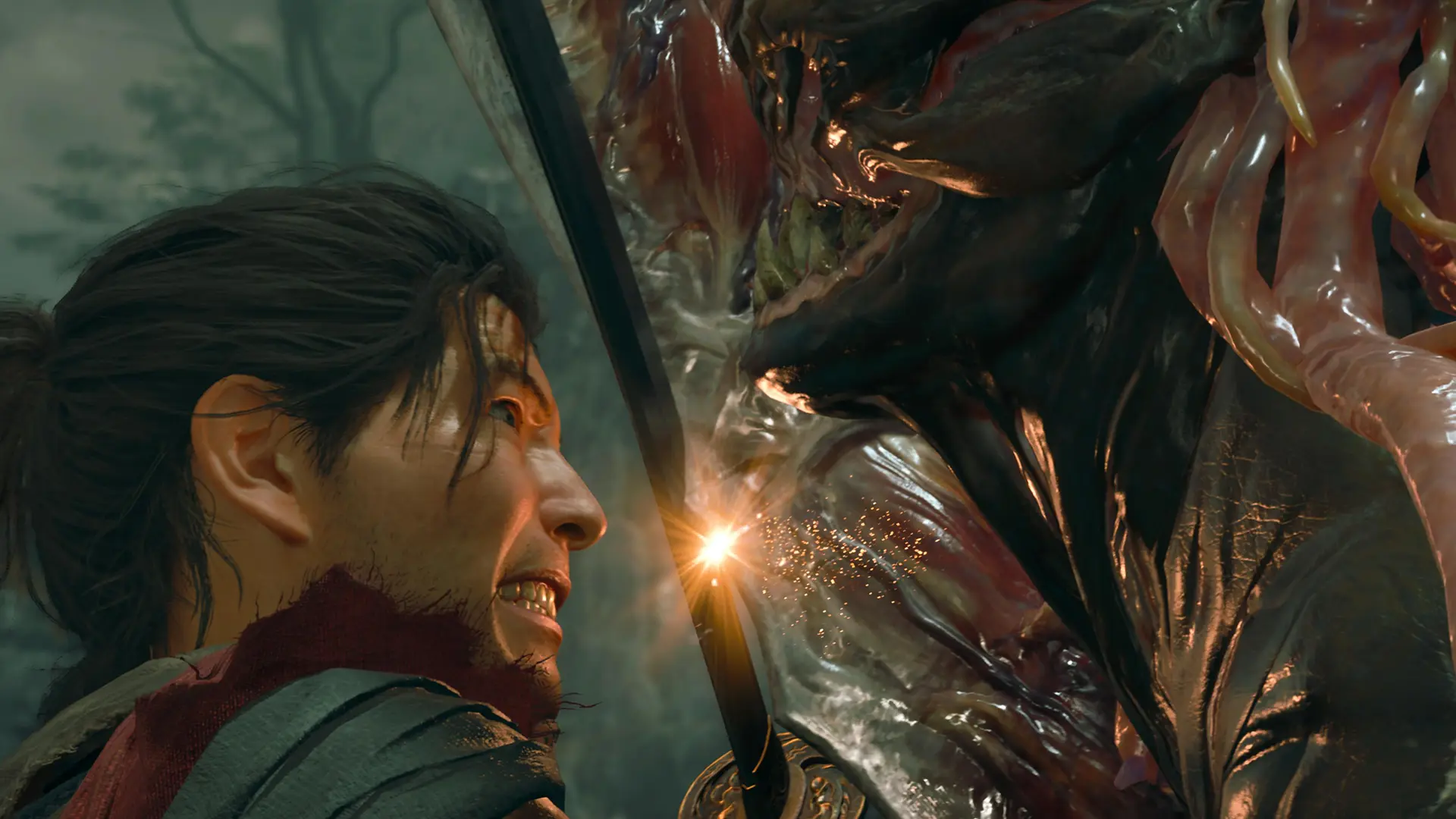
Attacking at precisely the right moment in response to an incoming blow can yield a number of results, letting you perform powerful Issen moves or putting you in one-on-one clash where you either try to fake the enemy out or simply hammer a button to prove your might. This is really great for someone like me, who is still cutting their teeth on the modern breed of ultra-punishing action game and often finds themselves defaulting to mashing attack inputs – I have found a ton of satisfaction in challenging myself on higher difficulties and truly taking advantage of the systems at my disposal, but there’s a dynamism and responsiveness here that makes combat look and feel amazing in either case.
My one complaint in this regard, and it’s admittedly something unique to how well you might perform in combat, is that Shizuka has a tendency to throw out “helpful hints” to players that don’t fight in a particular way. Namely, every single damned time I fight a boss and miss a couple attempts at parrying/deflecting, she’ll start spelling out the importance of doing so in depleting their stamina. Yes, Gauntlet Lady, I know what I need to do, I’m just not doing it good. Thank you. Unfortunately there’s no option to disable or reduce the gauntlet chatter in-game, officially.
When not locked in combat, you’ll spend most of Way of the Sword traipsing around an era-appropriate but post-demonic invasion version of Kyoto, which serves as something of a growing hub that connects your various efforts but also plays host to plenty of the adventure. As Musashi meets new allies and cuts down more and more Genma, his command of the gauntlet’s (and by extension, Shizuka’s) power grows, affording him new ways to traverse and open up new areas to explore. It’s not “open world” by any popular definition, instead finding a careful balance between intimacy and space where you’re given just enough rope to prod the often-interesting fringes of the place, but you’re always in close enough proximity to home to ground the events that unfold there.
It’s all rendered in exquisite detail, too, which is hardly a shocking statement in this late stage of Capcom’s seemingly-unbeatable RE Engine. The dusty, dilapidated Kyoto streets are dusty and cluttered, the fraught signs of life staying present as you work to liberate it from Genma forces. Huge temples and sanctuaries stun with ornate architecture and sumptuous lighting, more often than not used to conceal a disturbing threat until such a time as the game deems you require the disturbance.
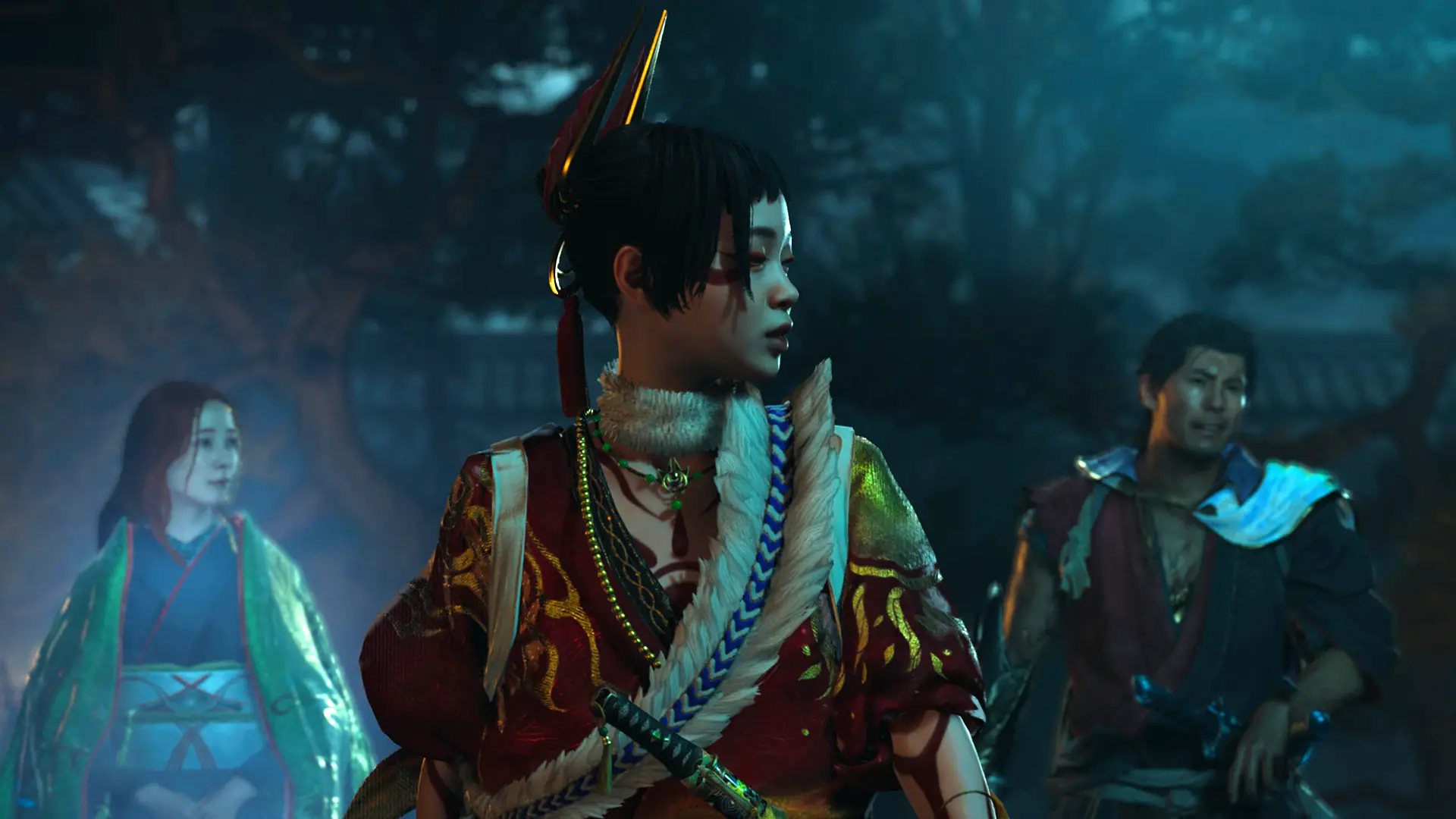
The true stars are, well, the stars. The game’s main and supporting cast are an eclectic bunch, sporting ridiculously-cool designs and often taking inspiration from real figures of history that extends beyond just their aesthetic and into their very personalities, mannerisms and gait. As far as leading men go, I don’t think you can get much better than Musashi, whose fearless senses of justice and compassion are just barely masked by a confident swagger and often visible disgust at being forced to endure anything that playing with swords. I reckon I have hundreds of screenshots of Musashi Faces clogging up my PS5 Pro’s SSD at this point.
Some will decry the choice to have everyone sporting British accents in the game’s English dub, and to a degree I sympathise. In fact, on multiple occasions I’ve decided I’ve had enough of listening to many of Way of the Sword’s NPCs and changed the audio language to Japanese, only to find myself missing Kenichiro Thomson’s remarkable turn as Miyamoto Musashi. He rises to the occasion of the late Toshiro Mifune’s likeness with the same rough-hewn charm, in a way that makes every utterance of the word “shit” the perfect button to whatever is happening on-screen.
There’s so much more to unpack and commend here, but my commitment to a succinct write-up is as steadfast as Musashi’s resolve to the sword. The bottom line is that Onimusha: Way of the Sword is an exemplary action game any way you slice it, and you’d do well to check it out regardless of your affinity for the series or this particular flavour of adventure.
Reviewed on PS5 | Review copy supplied by publisher


Born into the world of video games through SEGA, and in particular Sonic the Hedgehog, Kieron’s gaming tastes now consist of the latest, shiny AAA thing, an indie darling or two, and an embarrassing number of hours of Balatro.