
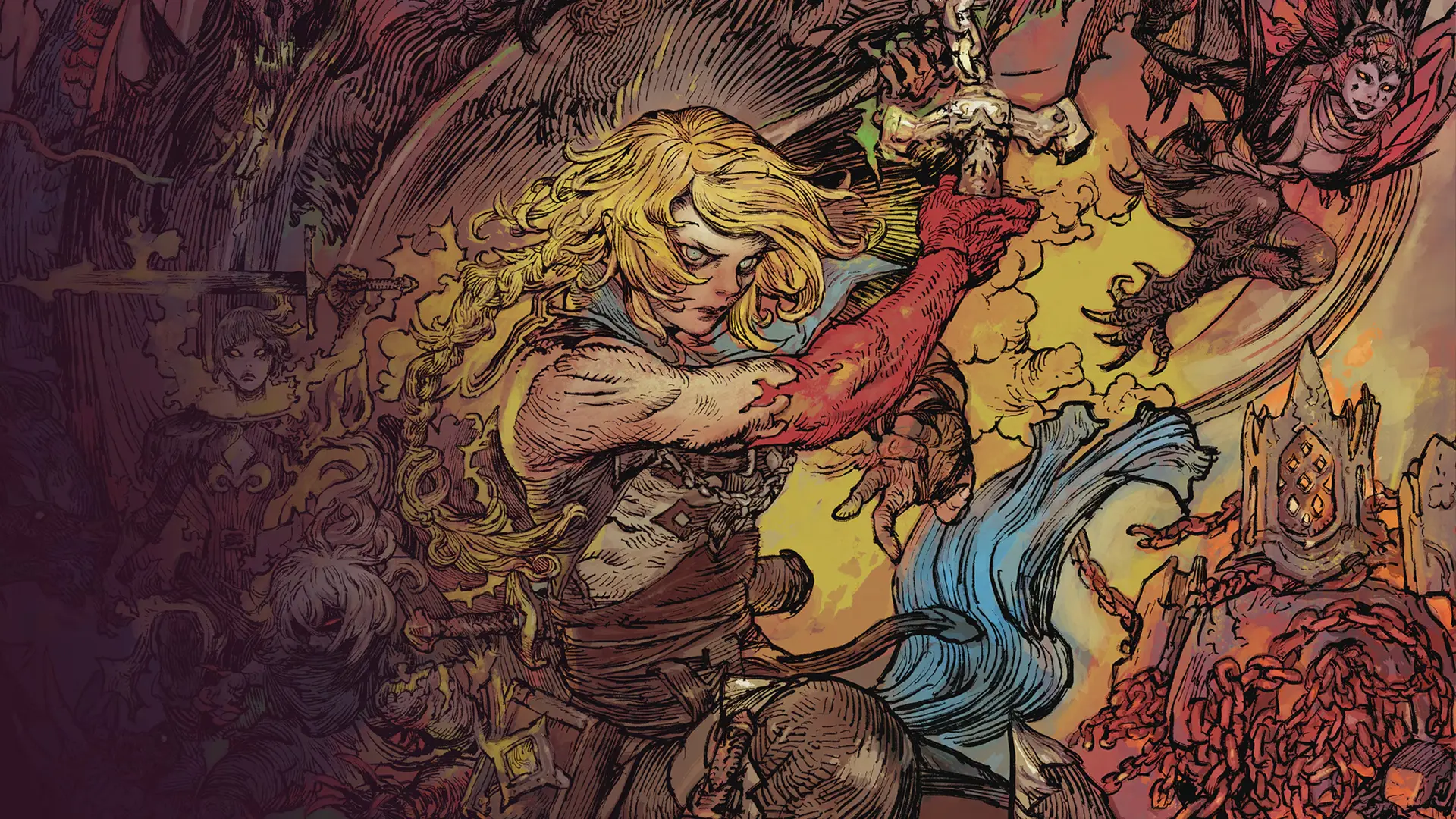
Drac’s back
I was exactly 17 days old when Castlevania III: Dracula’s Curse first launched for the Nintendo Entertainment System in Japan, so playing a brand-new sequel more than three decades later is doing more than just making me feel old – it’s a reminder of the storied legacy of this iconic franchise. To play Castlevania: Belmont’s Curse, developed in collaboration between Konami and Evil Empire (Dead Cells, Rogue Prince of Persia), is also to realise that it’s been almost 20 years since the last, original 2D Castlevania game.
Let me say this upfront – it’s really, really good to be back.
Set in Paris in the year 1499, 23 years after the events of Dracula’s Curse, this new adventure stars an unlikely hero in Rose Belmont. I say unlikely for no other reason than Rose’s existence contradicting the idea that her father, Trevor Belmont, was the last of his bloodline. It’s wonderful to have a fresh face, and with deeper ties to Dracula’s plot that gradually reveal themselves over the course of the game, Rose quickly establishes herself as one of the more interesting and multi-faceted protagonists the series has seen.
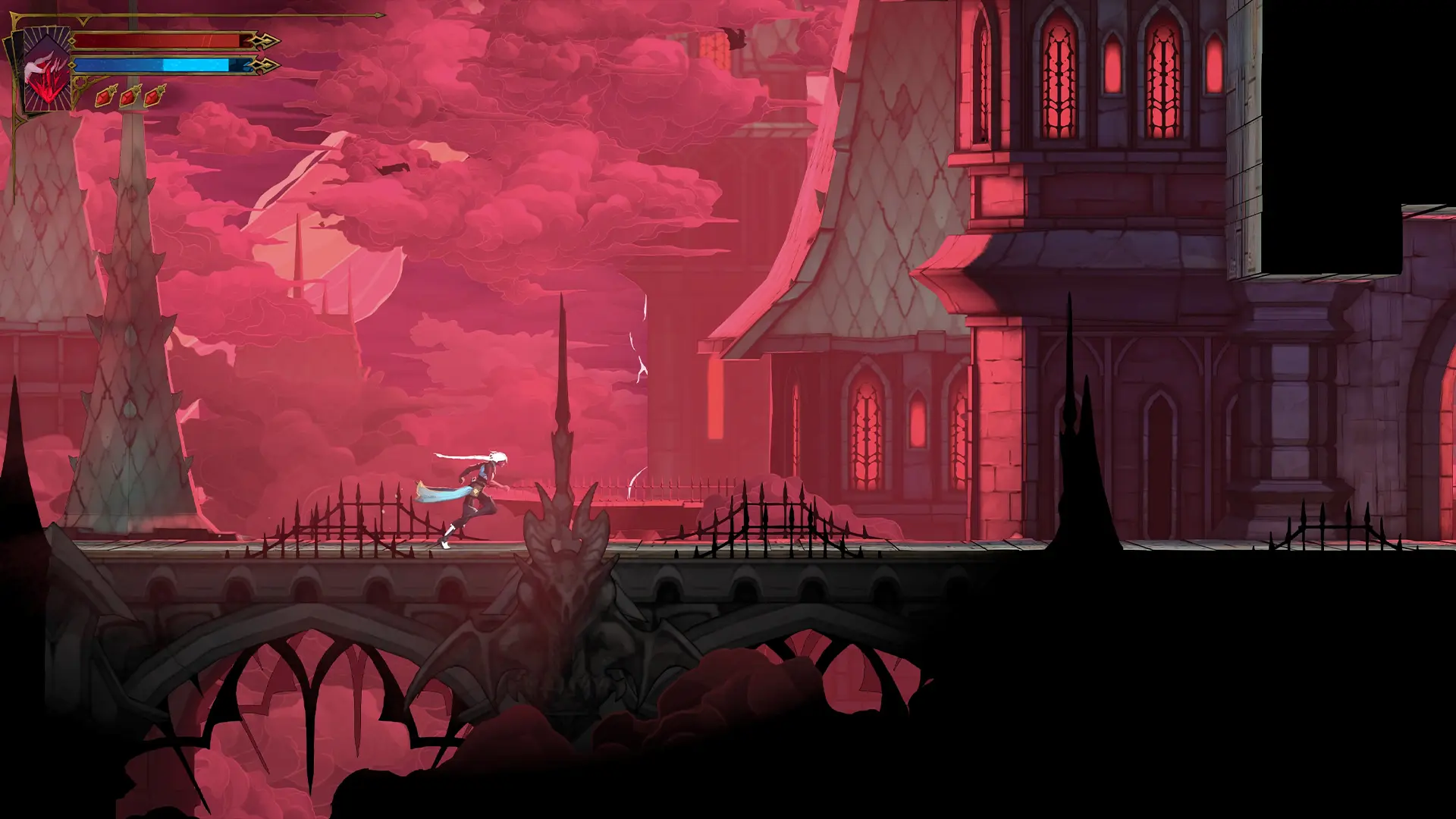
She also brings with her a new take on the style of exploratory gameplay (arguably) popularised by the PS1’s Castlevania: Symphony of the Night, adding enough new wrinkles to make this entry feel like it’s giving the series some momentum. Right away, modern “metroidvania” influences reveal themselves in more fluid and acrobatic platforming that hinges on the iconic whip – now first established as a traversal tool instead of a weapon, allowing Rose to latch onto grapple points and enemies (and things I won’t spoil) to reach high or hidden areas.
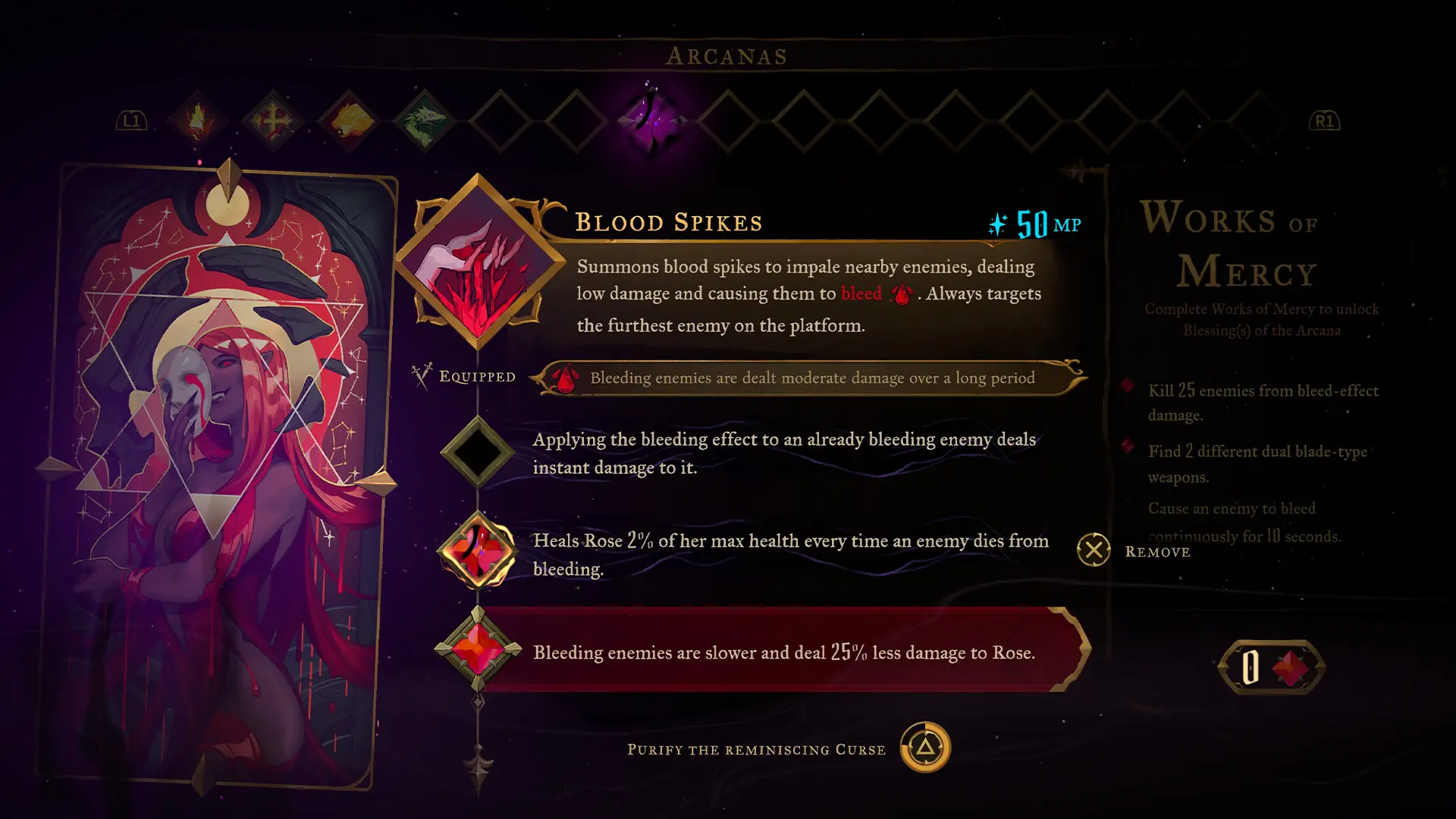
You will eventually find a whip to use in combat, but it’s simply one of a selection of different weapon types that can be found in the surrounds of Paris and within the walls of Dracula’s castle. Broadswords, glaives, daggers and more allow for different approaches and playstyles, further augmented by the existence of Arcana. These special cards, left to Rose by her late mother, form the core of Belmont’s Curse’s open-ended campaign and are central to what elevates this entry to greatness.
Each Arcana holds two crucial things – clues to the whereabouts of a formidable foe among the game’s extensive map, and then a unique special ability as a reward for their defeat. Some of these coincide with Rose gaining new traversal abilities required to further explore, in true genre fashion, but mostly what you’ll get are new magic powers to help contend with the basic enemies and bosses you encounter. It’s the way these develop over time that makes them compelling, with mini-goals attached to each that reward upgrade points to augment and improve their function. These range from defeating a certain number of enemies in a way that suits the relevant ability, to more involved feats tied to exploring the map, which is a great way to ensure that Arcana you unlock early on continue to cycle back into relevance.
It’s also another welcome layer on Belmont’s Curse’s player-driven progression, where the further you push into the story the more agency is afforded in where you go and how you tackle the mission. Exploration is consistently rewarded, if not with the typical secrets and rewards then with new clues to tracking down Dracula’s many cohorts and growing your collection of Arcana. As a result, rather than a blocker to moving forward, bosses in the game feel like the finales of a smaller journey and a trophy for an investigation concluded.
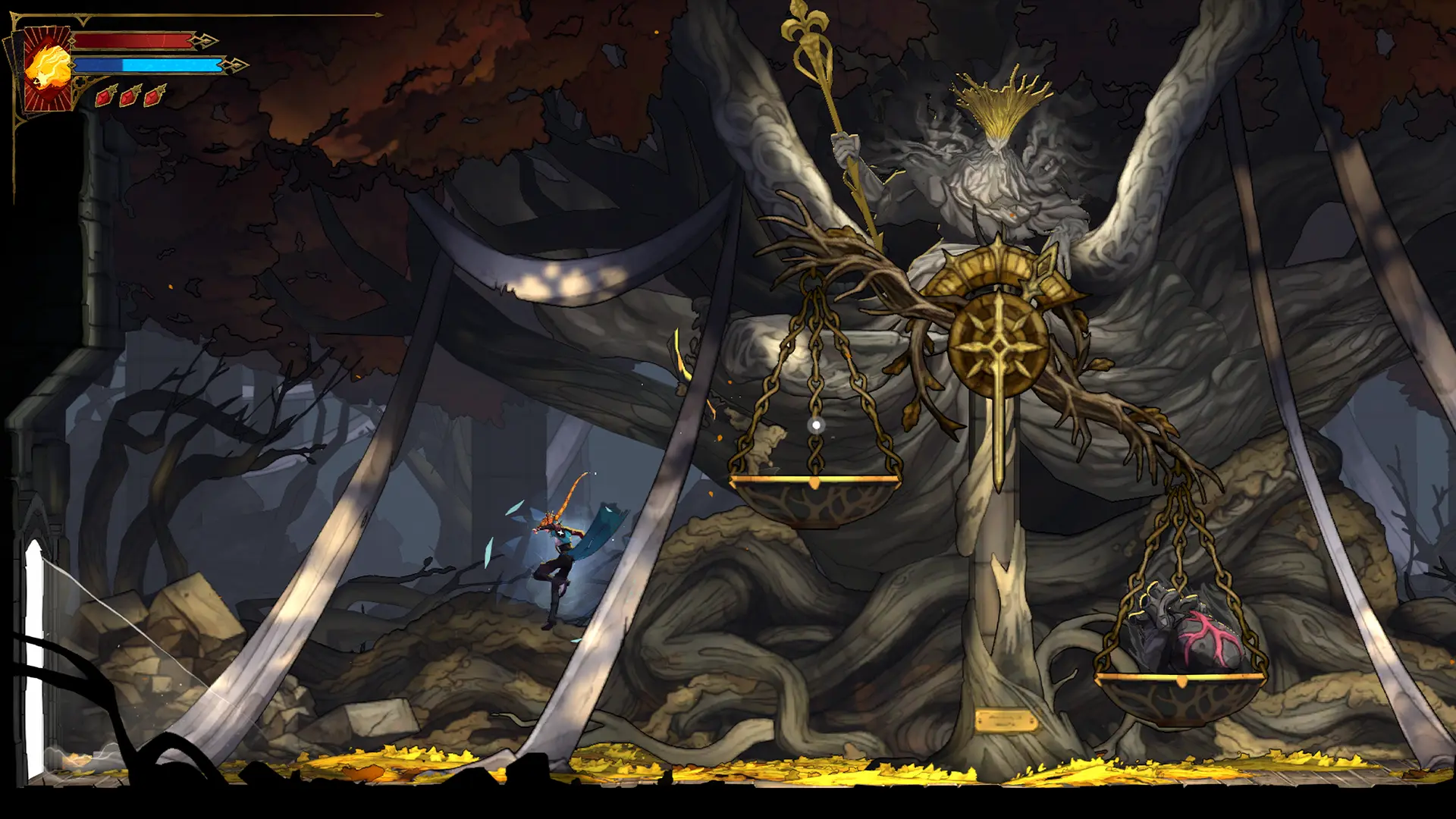
They’re also appropriately tough, requiring mastery of Rose’s combat prowess and whatever gear and Arcana you happen to have amassed at that point. There are some fantastic fights here, each memorably distinct and satisfying to overcome. Regular enemies aren’t pushovers either, perhaps more difficult than I remember basic fodder being in this series, but that feels necessary to make honing your equipment and playstyle have meaning. A very basic levelling system and a suite of accessibility options can certainly help smooth over any bumps, as well, so while I relished the challenge – not everyone need weather it the same.
That said, my 15-20 hours seeing the game to an agreeable ending (that’s as much context as you get, sorry) were occasionally marked by frustration. Rose’s whip traversal can be a little imprecise and slow to react, meaning I would sometimes repeatedly miss a grapple point in a tricky platforming sequence because I aimed slightly wrong or the animation didn’t finish in time. You’re thankfully not punished too hard for an environmental death, but it can be annoying. The game’s checkpointing system, where interacting with safe points tops up your health and limited potions but also revives all slain enemies, works well enough but occasionally results in long treks back to boss rooms where it’s easy to lose a bunch of health to the mobs along the way. Less an indictment of a fairly common modern system and more the occasionally-rough placement of the checkpoints themselves.
Otherwise, though, Evil Empire’s experience in crafting these 2D action adventure-likes, and prior toes dipped into the world of Castlevania itself, has manifested in some of the best level design the genre has seen. There is nary a square inch wasted in what is a very sizable map, whether it’s cleverly-hidden secrets or just incredibly satisfying platforming and puzzles that serve to pull you ever forward. I found myself regularly opening up the map menu only to realise I’d completely locked in on a fun path and long since left whatever area I’d meant to complete, leaving behind me a trail of unexplored rooms and hallways that begged a jaunt back. That’s exactly what you want to see in a game like this.
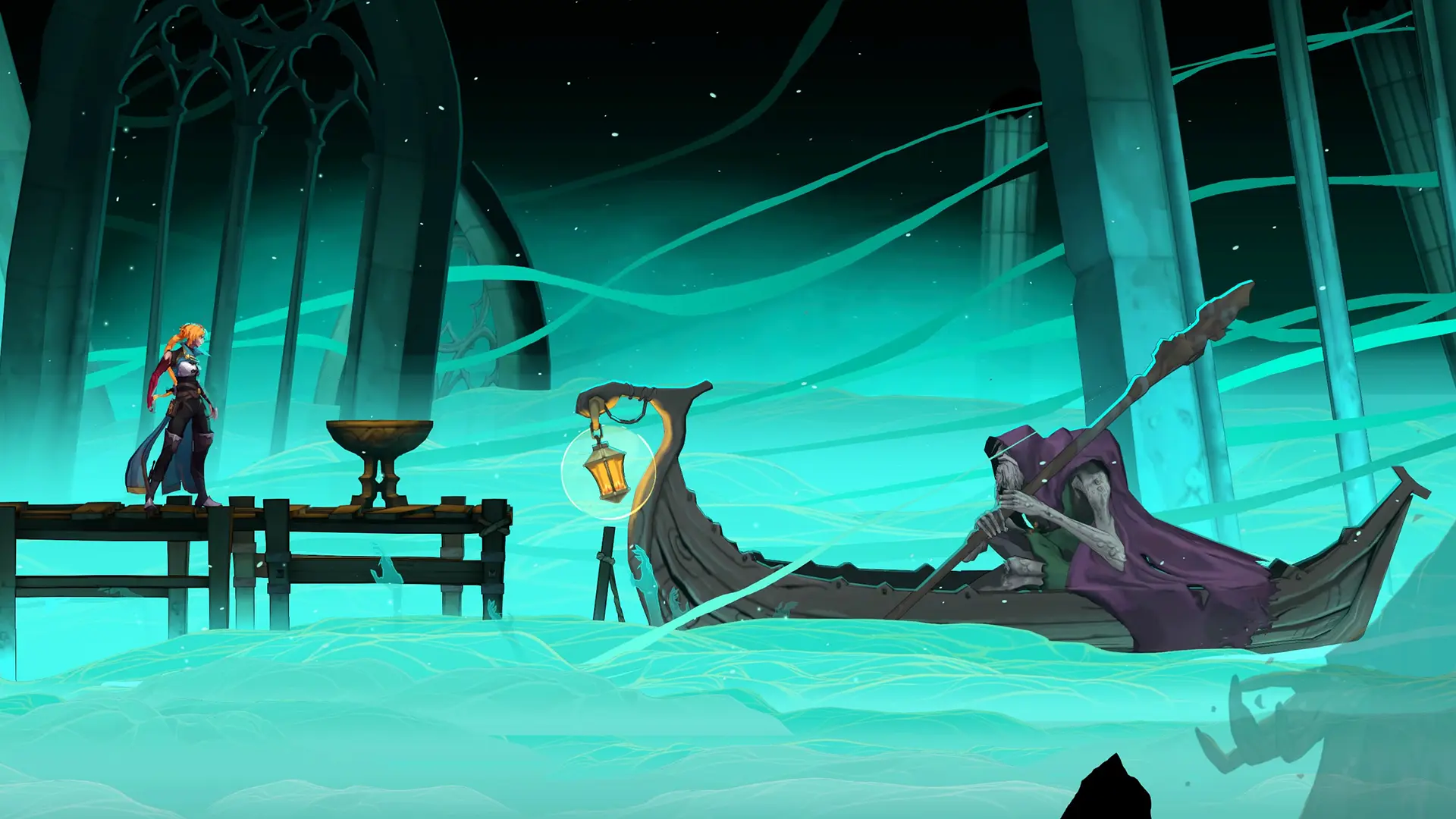
And should you find yourself properly lost, well, you’ll never be lost for something beautiful to witness. The 2.5D aesthetic with 3D character models will no doubt cause division among fans, but I absolutely love the way Belmont’s Curse looks. The backdrops are consistently vast, vivid and full of intricate detail – not to mention plenty of nods to earlier series entries. I found the game runs a little better on a PS5 Pro than it does the base PS5, where there was some infrequent stutter and jerkiness to be found in places, but overall the fluid 60FPS refresh puts the action in its best light. I’m certainly fond of the soundtrack here, which has a lot of fun melding gothic inspirations with modern EDM rhythms, but it’s definitely nowhere near as memorable as Castlevania’s most beloved scores.
Reviewed on PS5 | Review copy supplied by publisher
Like our content on covergeek? Hate dodgy AI summaries? Click here to add us as a Preferred Source on Google and see our posts more often!


Born into the world of video games through SEGA, and in particular Sonic the Hedgehog, Kieron’s gaming tastes now consist of the latest, shiny AAA thing, an indie darling or two, and an embarrassing number of hours of Balatro.