
I did complete it though, because I am committed to the work.
As Kieron discussed in their preview some weeks back, Star Wars: Zero Company is a turn-based tactics game that takes place as the Clone Wars are in full swing.
It’s a brilliant idea, and centering that framework upon a band of mercenaries trying to turn a profit amidst the conflict is a tantalising canvas, ripe with opportunities to explore incredibly rich themes and take characters on a real journey.
Star Wars: Zero Company unfortunately does none of these things across its 40 or so hour campaign. To make matters worse, the depth of its tactical combat gameplay is largely reached well before hour 20.
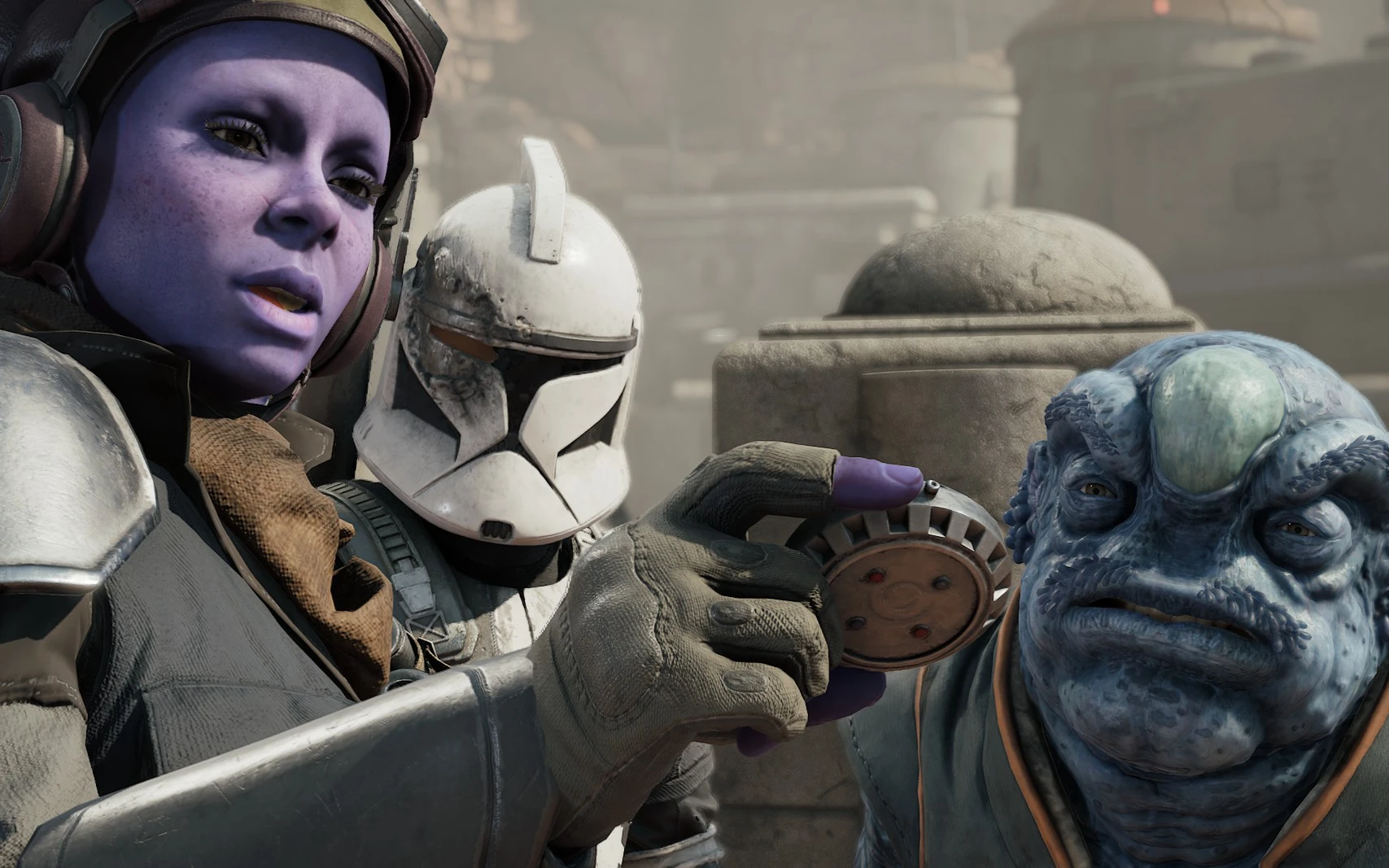
You’re dropped in the boots of a character named Hawks, of whatever combination of species and gender you wish. They’re the leader of Zero Company, a group that they and a clone soldier named Trick formed out of the ashes of their destroyed Republic army regiment.
Hawks claims throughout the entire adventure that Zero Company is broke, though there’s very little evidence in the worldbuilding or writing to actually support this theme beyond Hawks repeatedly stating it. Their supposed poverty has led them to taking work for the Republic, despite their disillusionment, in its battle against a new enemy; a growing army of plague-infested goons called the Infinite Coil, who are under the mind-control of a woman named Fathom.
It’s an awkward narrative conceit to wedge into this late point in the Clone Wars storyline. It’s also a much more boring trope with inherently less richness of text than anything directly aligned with the wars themselves can really be.
In between tactical combat missions you’re free to wander around Zero Company’s home base, the Den, where you can buy upgrades and weaponry with credits, spend ‘intel’ to do quick text-based jobs for varying rewards, and chiefly of all, have conversations with the various members of the crew.
The best of these characters will at least hint at holding a viewpoint about the war and mercenary work, but none of it goes anywhere even faintly deeper than the most vapid tropes of revenge or feelings of personal inadequacy. The core storyline itself is little more than a haphazard collection of what feels like discarded ideas from The Clone Wars animated series with character cameos and plot beats from the broader Star Wars universe used as spackle to try to smooth them together. It goes to particular effort to communicate exactly when in the timeline everything you’re doing is taking place, which I expect is supposed to instill a sense of ticking-clock dread in those who know, but the writing and characterisation isn’t nearly good enough to have ever made me care.
The foundations of Zero Company’s tactical combat gameplay are rock solid at least.
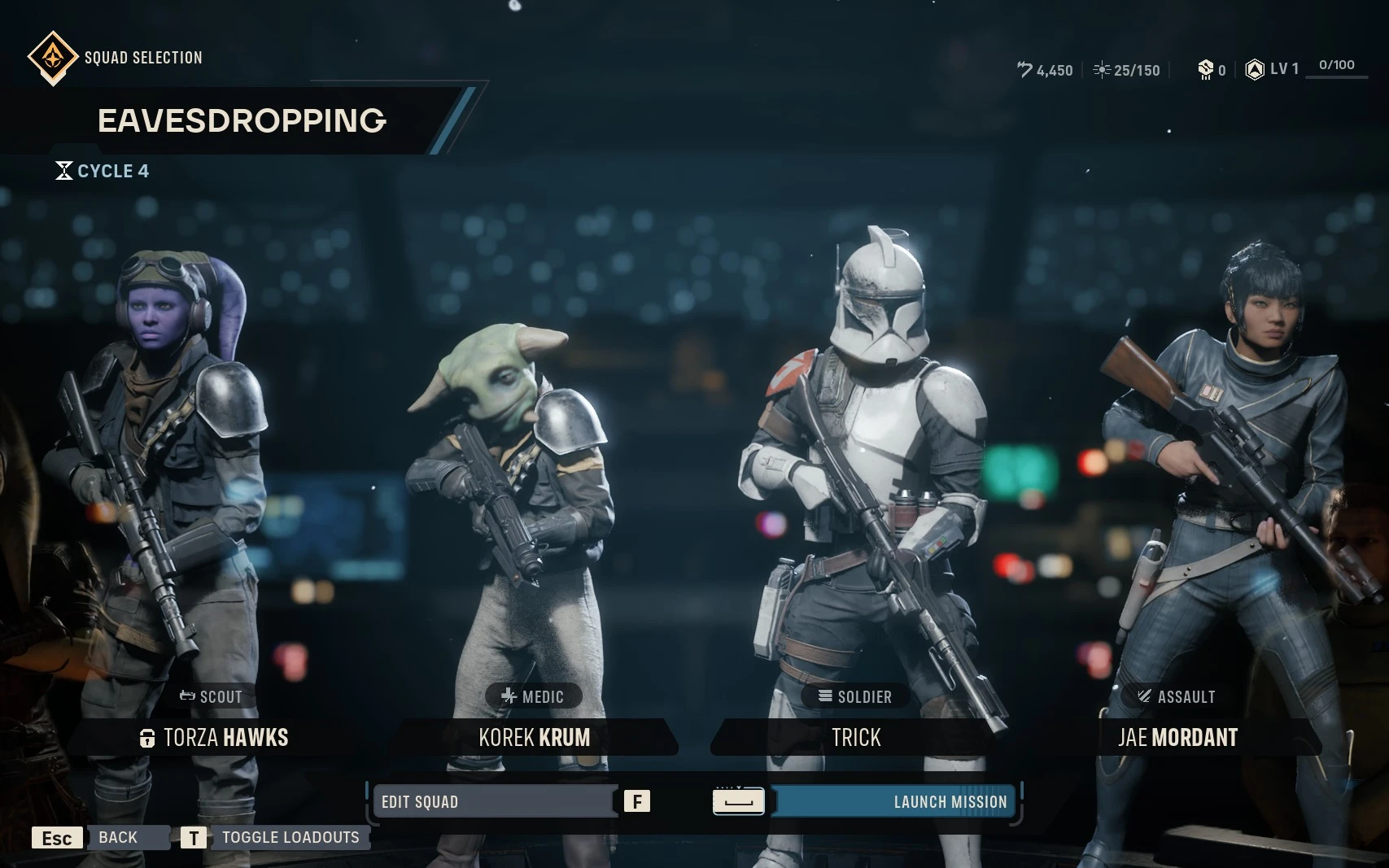
You take up to four characters into the field, each of which has three action points they can use per turn to move, shoot, or use their basic abilities on. Attacks landed successfully against enemies, and the use of some specific abilities, generates Advantage points which can be used to pop the most powerful abilities of each class on top of their three base actions. There’s a real joy to be had in working out ways to play the abilities unique to each class and core character off of one another. Even once the ability to multi-class most of them lands a little before the game’s midpoint though, the depth and versatility just aren’t enough to keep the tactical gameplay compelling for an adventure that’s even close to being as long as Zero Company’s is.
A big driving force behind this problem is that at its standard difficulty the game just completely lacks XCOM’s sporadic brutality. If any member of your squad has their health depleted on a mission then they suffer an injury which takes paid bed rest to recover from over the course of an entire mission, or a slightly more expensive dip in the bacta tank to heal instantly. If they’re downed again while still injured then they die permanently.
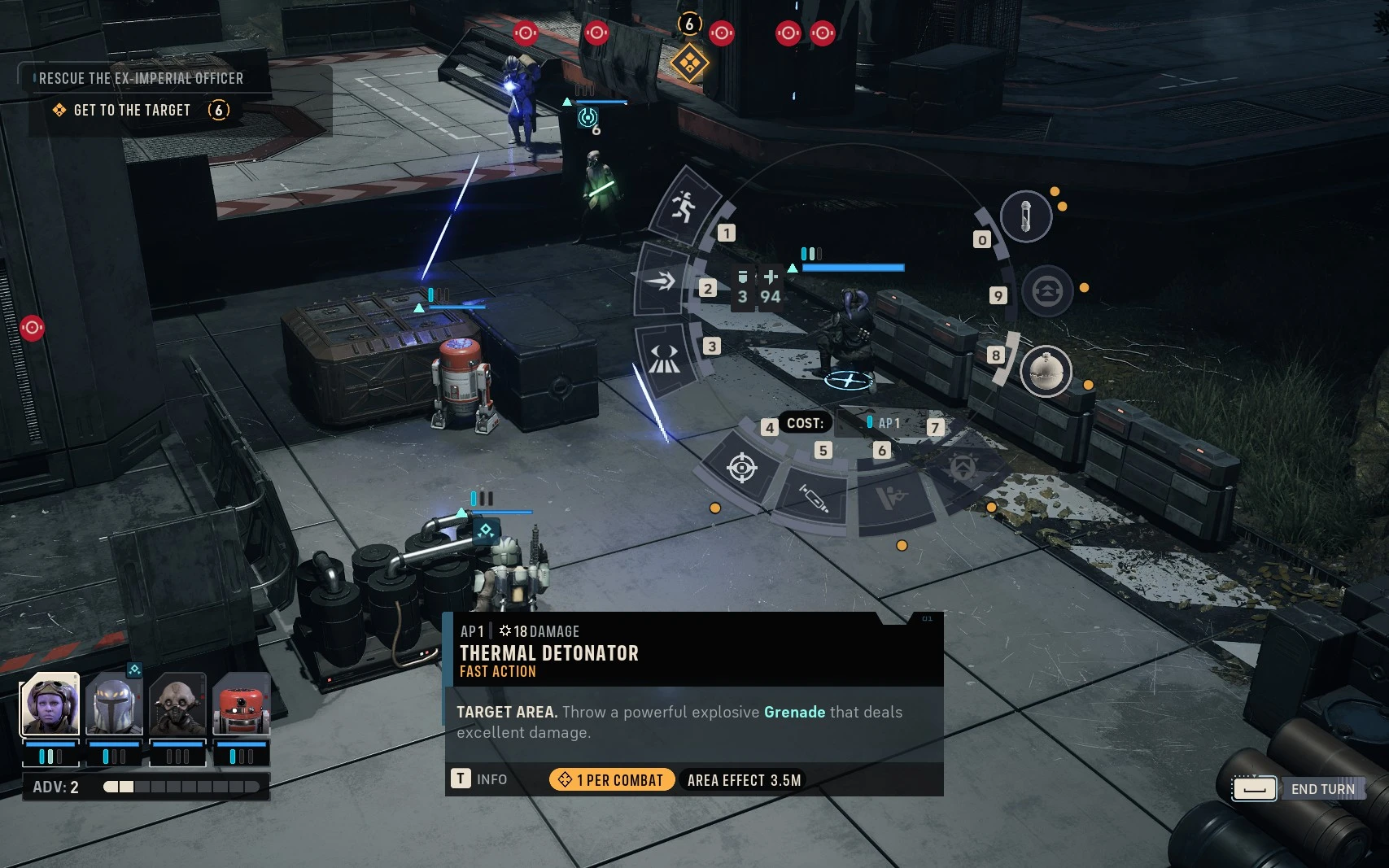
Despite loving these sorts of games as much as I do, I’m actually not particularly brilliant at them, yet I never lost a single character outside of the one that the tutorial mission kills off deliberately.
This also makes the entire system of being able to recruit randomly generated characters to fill gaps in your roster largely redundant, especially as it rapidly becomes clear that the core storyline characters who will join up for free will cover every possible archetype and with more powerful unique abilities anyway.
A good two-thirds of the core campaign missions will have you pitted against the aforementioned Coil army, and unfortunately they’re more irritating and tedious to fight by far than any of the other factions are.
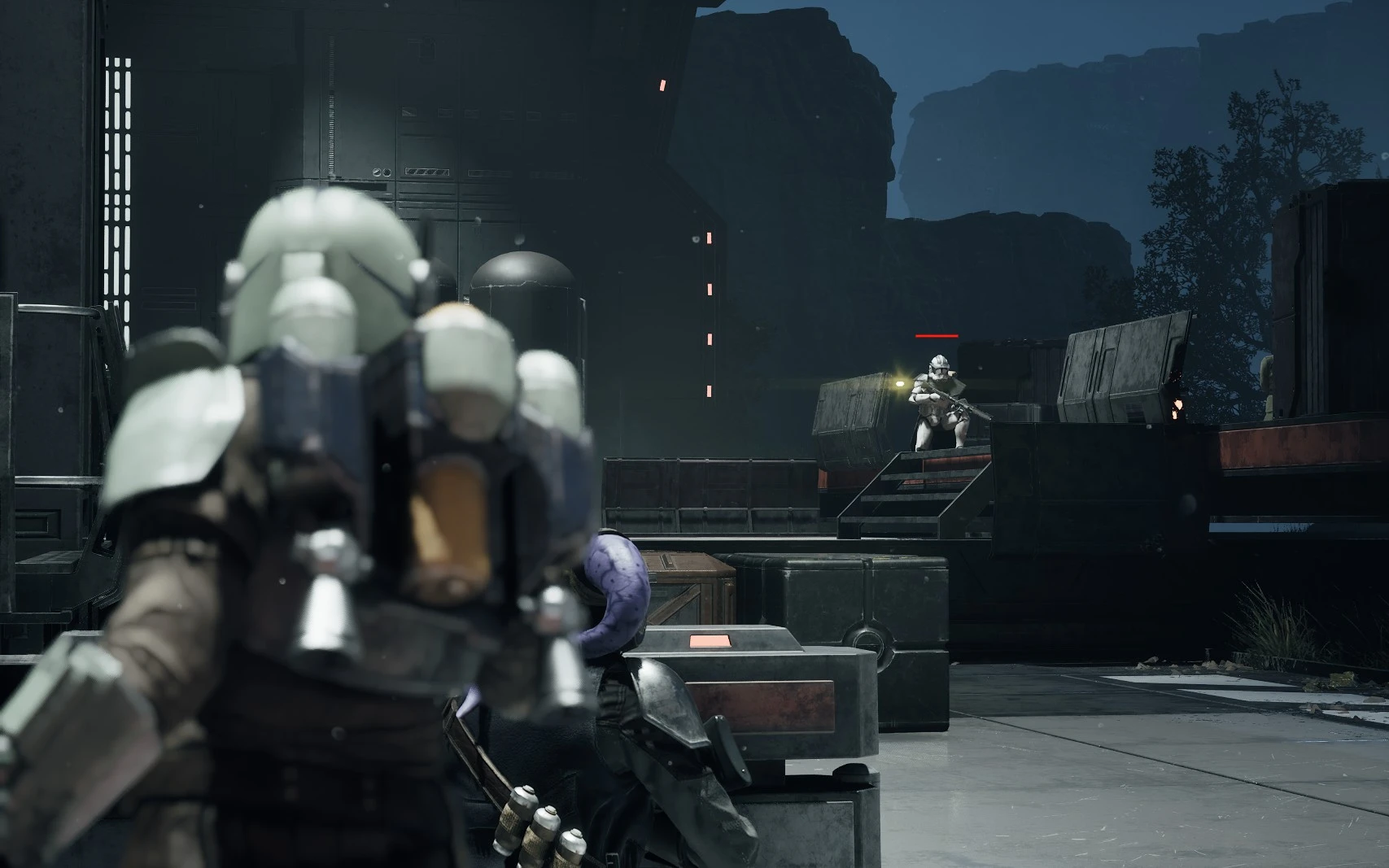
I played the PC version and encountered a litany of cases where sound effects wouldn’t trigger and characters would be looking toward a completely different direction to the enemy they were shooting at, even when they did successfully hit them. Disappointingly I couldn’t get it to run on my Steam Deck OLED either without an utterly unplayable degree of lag, even for a turn-based game and on ultra-low settings.
None of these problems compare to the bigger issue of the camera though. It constantly gets placed within walls and pillars making you miss the payoff to your actions. It also massively struggles to interpret different heights, often simply hugging the wall surrounding a building instead of switching up and across to the character-accessible rooftop above. This particular problem grows worse the deeper into the campaign you get as maps get increasingly complex and start introducing catwalks that characters can be directly underneath as well as on top of. Controller support is wonderful with a bespoke radial menu, but I frequently found myself reaching for the mouse to help just that little bit when elevation was involved.
Reviewed on PC | Review copy supplied by publisher